






A Boom in Celestial Tourism
Travel operators across North India, particularly in Ladakh, Himachal Pradesh, and Uttarakhand, are reporting a phenomenal surge in demand for high-altitude treks—specifically those designed around stargazing. What was once a niche interest for astronomy
enthusiasts is now a mainstream travel goal. Bookings for 'astrophotography workshops' and 'new moon treks' are filling up months in advance, a trend tour companies describe as unprecedented. This boom is fuelled by a potent mix of post-pandemic wanderlust, a desire for unplugged, meaningful experiences, and the powerful visual pull of astrophotography shared across social media. After years of being confined indoors, people aren't just looking for a holiday; they're looking for awe.
Why the Himalayas Offer the Best Views
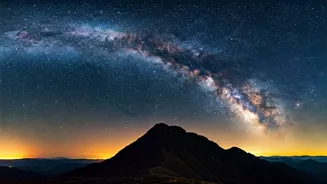
The magic of Himalayan stargazing isn't just about getting away from the city. It’s a combination of scientific advantages. The high altitude means you are above a significant portion of the Earth’s atmosphere, resulting in clearer, sharper views of celestial objects. More importantly, these remote regions suffer from minimal light pollution—the persistent glow from urban areas that washes out the night sky. In places like the Spiti Valley or remote parts of Ladakh, the darkness is so profound that the Milky Way appears not as a faint smudge, but as a brilliant, textured river of light arching across the sky. The dry, crisp air in these high-altitude deserts further reduces atmospheric distortion, making them natural observatories open to anyone willing to make the journey.
India's Premier Stargazing Hotspots
While countless peaks offer stunning views, a few destinations have emerged as go-to spots for serious stargazers. **Ladakh:** The undisputed king. Home to the Hanle Dark Sky Reserve, one of the first of its kind in India, Ladakh offers unparalleled clarity. The Indian Astronomical Observatory is located here for a reason. Treks around the Pangong Tso and Tso Moriri lakes are particularly popular for their reflective night-time landscapes. **Spiti Valley, Himachal Pradesh:** Often called 'Little Tibet,' this high-altitude desert is a stargazer's dream. Its remote villages like Kibber, Langza, and Hikkim offer minimal light pollution and vast, open skies. The rugged, moon-like terrain adds to the otherworldly experience. **Uttarakhand:** Offering more accessible options, areas like Chopta (the 'Mini Switzerland of India') and treks near Deoriatal provide dark skies without the extreme altitudes of Ladakh or Spiti. These are excellent starting points for those new to high-altitude trekking.
Planning Your Celestial Escape
Timing is everything. For the best views of the stars and the Milky Way, plan your trip around the New Moon phase, when the sky is at its darkest. The clearest skies are typically found post-monsoon, from September to November, and in the pre-summer months of March to May. Acclimatisation is non-negotiable. Spend at least two days at high altitude before undertaking any strenuous activity to allow your body to adjust. Pack layers of warm clothing, as temperatures plummet after sunset, even in summer. A good pair of binoculars can dramatically enhance your viewing experience, and many tour operators now provide telescopes as part of their packages. Lastly, practice responsible tourism. Follow 'Leave No Trace' principles and use red light torches at night to preserve your and others' night vision.