



Landour, Uttarakhand: The Quiet Colonial Haven
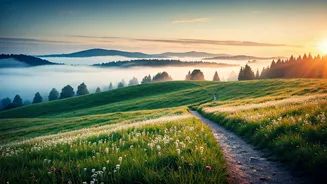
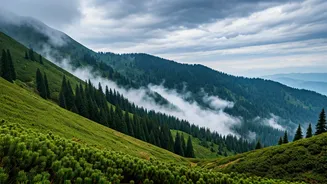
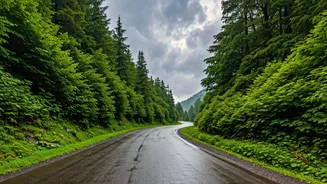
Just a stone's throw from the bustling streets of Mussoorie lies Landour, a cantonment town that feels like a step back in time. [27] During the monsoons, this sleepy hamlet is wrapped in a thick blanket of mist, turning its pine-covered slopes and colonial-era
architecture into a scene from a vintage postcard. [27] The rains transform the town into a green paradise where clouds float through the forests. [27] It's a place for long, quiet walks along winding roads, stopping at cosy cafes that have become institutions in their own right. [33] Unlike its more famous neighbour, Landour offers serene walking paths and splendid views, making it the perfect escape for those seeking peace, quiet, and a touch of literary charm—it was, after all, home to the celebrated author Ruskin Bond.
Kausani, Uttarakhand: The Himalayan Panorama
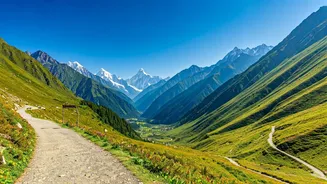
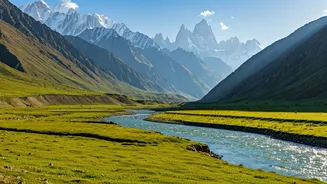
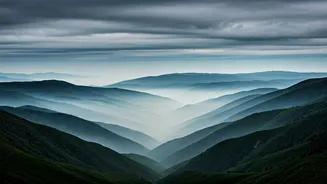
Often called the 'Switzerland of India', Kausani's claim to fame is its breathtaking 300-km panoramic view of Himalayan peaks like Trishul and Nanda Devi. [8, 24] But it's during the monsoon (July to September) that Kausani reveals a different kind of magic. The mountains play a captivating game of hide-and-seek with the clouds, and the entire landscape is washed in a deep, lush green. [8] Mornings often begin with clouds swirling right below your window, creating a mesmerising, otherworldly feel. [8, 15] While heavy rains can be a concern, the shoulder months offer the beauty of a rain-washed world without the peak season rush, making it ideal for those who enjoy the poetry of mist and stillness. [8]
Tirthan Valley, Himachal Pradesh: The Offbeat Gem
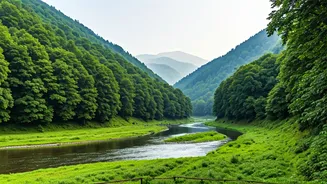
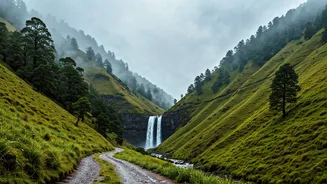
For travellers looking to venture beyond the well-trodden paths of Manali and Shimla, Tirthan Valley is a revelation. [27] Situated near the Great Himalayan National Park, this valley is a sanctuary of dense forests, pristine rivers, and traditional villages. [16, 27] During the monsoon, while many tourists stay away, the valley comes alive. [11] The charm of Tirthan becomes even more attractive after the rains, with overflowing rivers and mountain ranges covered by mist. [27] It's a destination that isn’t about ticking off sights but about immersing yourself in the experience—waking up to the sound of rain, enjoying the hospitality of local homestays, and feeling a deep connection with nature. [23] For a safe and serene experience, visiting in the lighter rain months of late June or early September is recommended. [11]
McLeod Ganj, Himachal Pradesh: The Spiritual Sanctuary
Home to the Dalai Lama, McLeod Ganj offers a unique blend of Tibetan culture and Himalayan beauty. [33] While popular year-round, the monsoon season gives the town a special, contemplative atmosphere. The Dhauladhar ranges are often shrouded in mist, and the colourful prayer flags seem to flutter with more intensity against the grey skies. The sound of chanting from monasteries mixes with the drumming of rain, creating a deeply spiritual ambience. [19] The town’s many cosy cafes become perfect havens to watch the rain-swept streets with a hot cup of tea. [19] For travellers seeking a journey that is both scenic and soulful, the misty embrace of McLeod Ganj during the rains is an unforgettable experience. [21]
Chopta, Uttarakhand: The Mini Switzerland
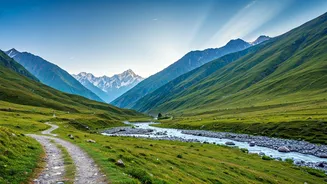
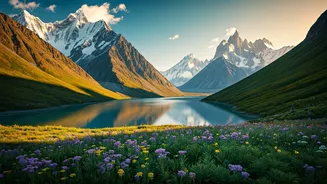
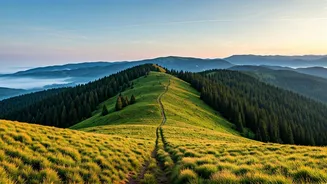
Often called the “Mini Switzerland of Uttarakhand,” Chopta is a small region of meadows and evergreen forests that becomes a verdant paradise in the monsoon. [22] Located in the Garhwal Himalayas, it serves as the base for treks to Tungnath, the world's highest Shiva temple. [22] During the rainy season, the lush meadows are at their greenest, and the surrounding peaks are often veiled in mist, giving the entire area a mystical feel. While heavy rains can cause travel disruptions, the sheer beauty of the landscape—fresh, clean, and bursting with life—attracts nature lovers and solitude seekers. [22] The clouds descend low, enveloping the paths in a blanket of fog, offering a tranquil and immersive experience away from crowded tourist hubs. [12]