




Munnar, Kerala: The Emerald Hills
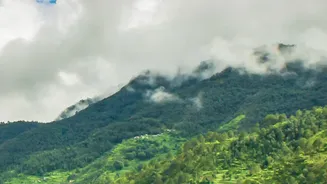
Nestled in the Western Ghats, Munnar’s sprawling tea plantations adopt a deep, saturated green during the monsoon. The rain washes the leaves clean, making them glisten, while a persistent mist drifts through the rolling hills, creating soft, layered
compositions. This is a paradise for capturing the interplay of light and fog. Photographers can focus on the expansive, velvety landscapes from viewpoints like Top Station or get up close with dew-covered tea leaves. The waterfalls in the region, such as Attukad and Lakkam, are in their full, roaring glory, offering excellent opportunities for slow-shutter speed shots to capture the silky flow of water.
Meghalaya: The Abode of Clouds
Home to some of the wettest places on Earth, Cherrapunji and Mawsynram in Meghalaya offer an unparalleled monsoon experience. The name Meghalaya itself means "abode of clouds," and here, you can literally watch clouds drift at eye level. This is the place for dramatic, atmospheric shots of deep gorges, lush mountains, and powerful waterfalls like Nohkalikai and the Seven Sisters Falls, which are at their most magnificent during this season. The famous living root bridges, unique to this region, provide a stunning subject as they stand resiliently over swollen streams, blending ancient tradition with raw nature.
Coorg, Karnataka: The Scotland of India
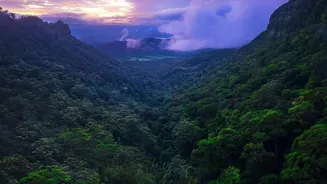
Coorg, or Kodagu, is a land of misty hills, dense forests, and aromatic coffee plantations that look their freshest during the monsoon. The entire region is cloaked in a serene, green blanket, with raindrops clinging to every surface. The beauty of Coorg in the rain lies in its peaceful, moody atmosphere. For photographers, this means capturing misty valley views from Raja's Seat or the dramatic cascades of Abbey and Iruppu Falls. The winding roads that cut through the plantations offer endless frames of rain-soaked nature, making even a simple drive a photographic journey.
Valley of Flowers, Uttarakhand: A Himalayan Carpet
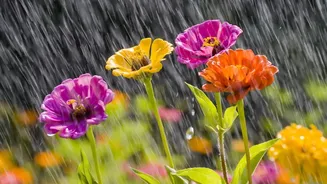
A UNESCO World Heritage Site, the Valley of Flowers National Park is a natural marvel that is only accessible during the monsoon months, from June to September. During this time, the high-altitude Himalayan valley transforms into a vibrant carpet of over 300 species of alpine flowers. The soft, diffused light and gentle rain intensify the colours of the blooms, making it a dream destination for macro and landscape photographers. Set against a backdrop of snow-capped peaks, the valley offers a truly unique and ephemeral spectacle, where every path reveals a new palette of colours.
The Western Ghats, Maharashtra: Waterfalls and Mist
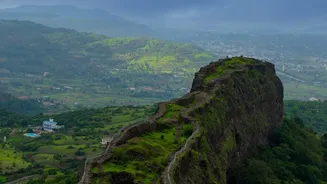
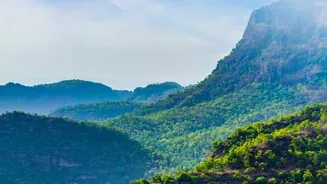
The Sahyadri mountain range in Maharashtra comes alive with the arrival of the monsoon. Hill stations like Lonavala and Malshej Ghat become hotspots for photographers seeking lush green landscapes and countless waterfalls. Lonavala, a popular getaway from Mumbai and Pune, offers foggy viewpoints overlooking deep valleys. Malshej Ghat is particularly famous for its roadside waterfalls that cascade directly onto the winding roads, creating a truly immersive experience. The rain transforms the dark, rocky cliffs of the ghats into vibrant green walls, providing a dramatic contrast that is perfect for capturing the raw power and beauty of the season.
Goa: Beyond the Beaches
While famous for its sunny beaches, Goa reveals a different, quieter charm during the monsoon. The hinterlands come alive with swollen rivers, lush spice plantations, and rejuvenated forests. The main attraction for photographers is the mighty Dudhsagar Falls, which becomes a thunderous cascade of white water during the rains. The Bhagwan Mahaveer Sanctuary and Mollem National Park turn into a verdant paradise, offering opportunities to capture the rich biodiversity of the region in a misty, magical setting. It's a chance to photograph a greener, more serene side of Goa, far from the tourist crowds.