




The Monsoon Humidity Deception
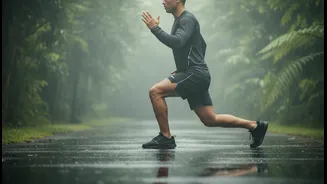
When you exercise in dry heat, sweat evaporates from your skin, creating a cooling effect. During the monsoon, however, the air is already saturated with moisture. This high humidity prevents your sweat from evaporating efficiently. As a result, sweat simply
drips off your skin without providing its primary cooling benefit. Your body, sensing that its core temperature is still high, responds by producing even more sweat in a futile attempt to cool down. This vicious cycle can lead to significant fluid and electrolyte loss, even if you don't feel as thirsty as you would in dry heat. This hidden dehydration can sneak up on you, impairing performance and increasing the risk of heat-related issues.
Cardio Hydration: Fuelling Your Endurance
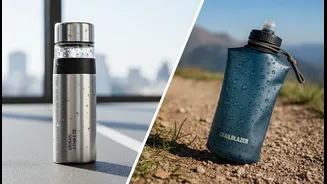
For endurance activities like running, cycling, or a long session of Zumba, consistent hydration is key. Because high humidity increases your sweat rate, your fluid needs can climb dramatically. For workouts lasting over an hour, plain water might not be enough to replace lost electrolytes, particularly sodium. Start hydrating well before your workout begins, drinking about 500-600 ml of fluid two to three hours prior. During your run or ride, don't wait until you feel thirsty. Aim to sip small amounts of fluid, roughly 150-300 ml, every 15 to 20 minutes. This strategy helps maintain blood volume and cardiovascular function, allowing you to sustain your effort for longer without a significant drop in performance.
Strength Training: Powering Through Lifts
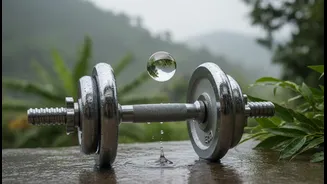
While strength training may not involve the same continuous fluid loss as a long run, the intense, short bursts of effort still produce a significant amount of sweat, especially in humid conditions. Dehydration can reduce your strength, power, and focus between sets. Hydration for weightlifting should focus on topping up fluid levels before you start and replenishing between sets. Even a small fluid deficit can make the weights feel heavier and increase your perceived effort. Since strength sessions are often shorter but more intense, maintaining electrolyte balance is crucial for muscle function and preventing cramps. Make sure you are sipping water or an electrolyte drink throughout your session, not just at the beginning and end. This ensures your muscles have the resources they need to perform and recover.
What 'Smarter' Hydration Really Means
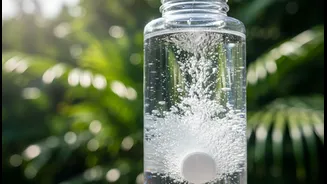
Smarter hydration goes beyond just drinking water. It involves replacing the essential minerals, or electrolytes, that you lose through sweat. The most important electrolyte lost is sodium. For intense or long workouts (over 60-90 minutes) in the monsoon, incorporating an electrolyte drink can make a significant difference. You don't always need a commercial sports drink. Natural options like coconut water are excellent sources of potassium and magnesium. You can also make your own by adding a small pinch of salt and a little sugar or fruit juice to your water. Additionally, certain foods like bananas, oranges, and watermelon are rich in both water and electrolytes, making them great post-workout recovery snacks.
Are You Dehydrated? Key Signs to Watch For
Thirst isn't always the first or most reliable sign of dehydration; by the time you feel thirsty, you may already be low on fluids. During the monsoon, it's especially important to watch for other signals your body sends. One of the clearest indicators is the colour of your urine; if it's dark yellow instead of a pale, clear colour, you need to drink more. Other common symptoms include persistent fatigue, headaches, dizziness, muscle cramps, and a dry or sticky mouth. Paying attention to these early warnings allows you to rehydrate before performance suffers or more serious symptoms develop.