

A Living Tapestry of Tradition
The Pushkar Mela, one of the world's largest camel fairs, is a centuries-old event that beautifully merges commerce with culture. While it historically began as a livestock fair for traders from across Rajasthan, Gujarat, and Madhya Pradesh to buy and sell
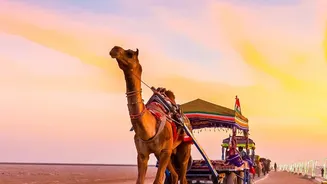
camels, horses, and cattle, it has blossomed into a globally renowned cultural spectacle. For several days, the quiet desert town, built around a sacred lake believed to have been formed by a lotus petal dropped by the Hindu deity Lord Brahma, becomes a bustling hub of activity, drawing hundreds of thousands of visitors. The fair is a sensory overload in the best way possible, where the ancient rhythms of rural life meet a festival atmosphere.
The Stars of the Show
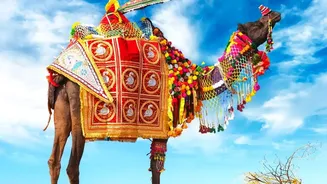
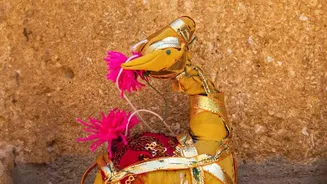
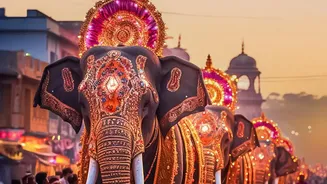
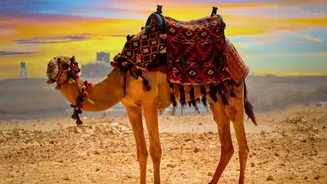
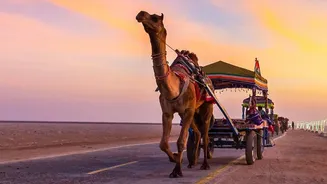
At the heart of the Mela are the camels, the 'ships of the desert' that have been integral to Rajasthani life for generations. Far from being just livestock for trade, these animals are celebrated with incredible fanfare. Camel owners spend weeks preparing for the fair, adorning their animals in a breathtaking display of affection and pride. Intricately embroidered fabrics, shimmering mirrors, colourful pom-poms, and countless bells transform the camels into living works of art. This pageantry culminates in one of the fair's most anticipated events: the camel decoration competition, where the best-dressed animal is crowned. According to the schedule for the 2026 fair, this beloved competition is set to take place on November 18, alongside a camel dance event.
More Than Just a Market
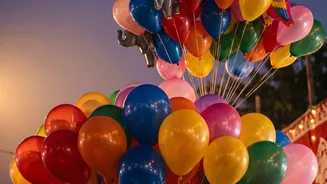
While the camel trading and competitions are a major draw, the Pushkar Mela offers a kaleidoscope of experiences. The fairgrounds buzz with unique contests that celebrate local traditions, including the famous longest moustache competition and turban-tying contests, which even invite international tourists to participate. Folk musicians, particularly the soulful Langa performers, and dancers fill the air with the sounds of Rajasthan. For thrill-seekers, there are hot air balloon rides offering stunning aerial views of the sprawling fair against the desert sunrise. The entire event is a photographer's paradise, offering a constant stream of vibrant, candid moments, from the weathered faces of herders to the chaotic joy of the carnival rides.
A Spiritual Pilgrimage
The timing of the fair is no coincidence. It coincides with Kartik Purnima, the auspicious full moon in the Hindu calendar, which in 2026 falls on November 24. This day holds deep religious significance, as it's believed Lord Brahma performed a sacred ritual at Pushkar Lake. Thousands of pilgrims flock to the town to take a holy dip in the lake's 52 bathing ghats, a ritual believed to cleanse sins and bestow blessings. In the evenings, the ghats come alive with the Maha Aarti, a grand prayer ceremony where hundreds of flickering lamps are floated on the water, creating a mesmerizing spectacle of light and faith.
The Flavours and Crafts of Rajasthan
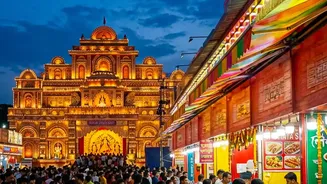
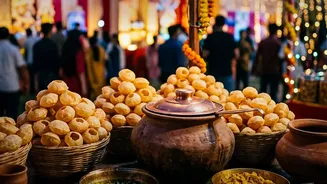
No visit to the Mela is complete without indulging in its commercial and culinary delights. The fairgrounds are lined with bustling bazaars and craft markets, offering a treasure trove of Rajasthani handicrafts. Shoppers can find everything from embroidered textiles and handmade puppets to silver jewellery and traditional leather 'jootis'. The air is also filled with the aroma of local delicacies. Stalls serve up Rajasthani favourites like Dal Baati Churma, spicy kachoris, and sweet ghevar, providing a delicious taste of the region's rich culinary heritage.