






The Traditional Room Booking: A Transactional Stay
For decades, booking a hotel room was a straightforward transaction. It was a functional necessity—a place to sleep, store your luggage, and shower while you explored a new city or attended a business conference. The hotel was a basecamp, not the destination
itself. The primary considerations were often location, price, and basic cleanliness. You booked a room to facilitate an external itinerary: sightseeing, meetings, or visiting family. The experience within the hotel walls was secondary to the purpose of the trip. This traditional approach views the accommodation as a means to an end, a temporary placeholder in a larger travel plan.
Enter the Staycation: The Destination is the Hotel
A staycation, as highlighted by recent travel data, is fundamentally different. It's a holiday where the hotel is the main event. It’s an intentional, experience-driven escape that often takes place within your own city or a short drive away. Here, the mindset shifts from transactional to experiential. Instead of a base for exploration, the property becomes a self-contained world of relaxation and indulgence. Recent research commissioned by Booking.com found that 55% of Indian travellers booked a staycation simply to enjoy hotel luxuries like plush bedding, room service, and premium amenities. This isn't just about finding a bed for the night; it's about checking in to check out from daily life.
Mindset and Motivation: Why We Book
The core difference lies in the 'why'. A room is booked for logistical reasons, but a staycation is booked for emotional and psychological ones. The Booking.com report reveals a trend towards 'lifestyle-led travel', where trips are no longer reserved for major life milestones. Instead, they are spontaneous rewards for everyday wins or escapes from daily stressors. For instance, 61% of Indian travellers have booked a trip to celebrate small achievements like hitting a fitness goal, while 36% say a stressful workweek is reason enough for a short break. Others admitted to booking a getaway to escape noisy neighbours, home renovations, or even the arrival of in-laws for an extended stay. This shows that the staycation serves as a pressure-release valve for modern urban life.
Amenities and Experience Take Centre Stage
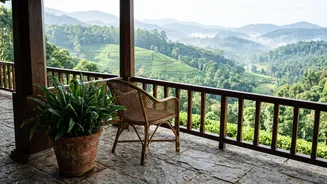
While a standard booking might prioritise free Wi-Fi and a convenient location, a staycationer’s checklist is far more extensive. The focus is on amenities that enhance the experience of staying put. Think infinity pools, in-house spas, fine-dining restaurants, lush gardens, and rooms with stunning views. The hotel’s facilities are not just perks; they are the itinerary. The 'How India Travels 2026' report notes that travellers are increasingly looking for stays that connect them with local food and culture, even within a hotel setting. This has led to hotels curating specific packages for city residents, such as weekend wellness retreats and family escapes, transforming the properties into vibrant destinations in their own right.
The Rise of 'Planned Spontaneity'
The modern Indian traveller is embracing what one could call 'planned spontaneity'. While 58% have taken a trip simply because they felt like it, many are strategic about their impulsive escapes. Long weekends have become a major trigger, with 64% of travellers using them for getaways. Data shows 42% start planning as soon as they spot a long weekend on the calendar, and 21% favour drivable destinations within four hours of home, perfect for a quick staycation. This behaviour indicates a desire for frequent, low-effort, high-reward breaks that don’t require the logistical heavy lifting of a traditional vacation. The staycation, with its minimal travel time and emphasis on relaxation, perfectly fits this need.