








Red And Orange Alerts Issued
The IMD has placed several districts on high alert due to the forecast of intense monsoon activity. A red alert, signifying a 'Take Action' status, has been issued for the districts of Kokrajhar and Chirang in Assam for Sunday, June 28. These areas are bracing
for extremely heavy downpours, defined as rainfall exceeding 204.4 mm in a single day. An orange alert, urging preparedness, is also in effect for other vulnerable districts including Baksa, Lakhimpur, and Dhemaji in Assam. The warnings extend across Meghalaya, which is expected to receive heavy to very heavy rainfall during this period. This intense spell is part of a broader, active monsoon phase affecting Northeast India, with widespread rainfall predicted to continue until early July.
The Science Behind the Downpour
This bout of severe weather is being driven by strong, moisture-laden southwesterly winds sweeping in from the Bay of Bengal. When these winds encounter the hilly terrain of Meghalaya and the surrounding region, they are forced to rise rapidly. This process, known as orographic lifting, causes the air to cool and condense, wringing out the moisture and resulting in exceptionally heavy rainfall. A strong cyclonic circulation over the Bay of Bengal is further strengthening this weather system, feeding it with a continuous supply of moisture. This meteorological setup is why the Northeast is currently experiencing a deluge while other parts of the country await the full arrival of the monsoon.
High Risk of Floods and Landslides
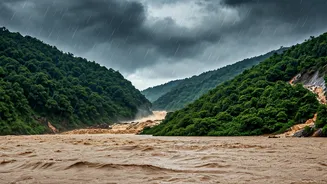
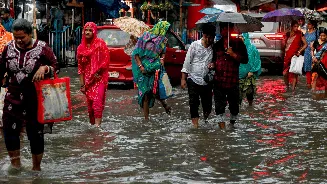
The primary dangers associated with this level of rainfall are flash floods, riverine flooding, and landslides. Authorities have warned that the deluge could lead to localized flooding and significant waterlogging in urban and low-lying areas. The region's numerous rivers, including the mighty Brahmaputra and its tributaries, are being closely monitored for rising water levels. In the hilly districts of both states, the saturated soil raises the risk of dangerous landslides and mudslides, which can block roads and cut off communities. In recent days, heavy rains have already damaged stretches of key highways, such as the road connecting Shillong with Dawki, highlighting the vulnerability of the region's infrastructure.
Authorities on High Alert
In response to the IMD's warnings, state and district administrations have activated their emergency protocols. The Assam State Disaster Management Authority (ASDMA) has issued alerts and is coordinating the response. Teams from the National Disaster Response Force (NDRF) and State Disaster Response Force (SDRF) have been placed on standby for immediate deployment to conduct rescue and relief operations if needed. Earlier in the month, joint drills were conducted by the Army, Assam Rifles, and NDRF to validate their preparedness for the monsoon season. Officials are continuously monitoring river embankments and other vulnerable locations, and residents in at-risk areas have been advised to remain vigilant.
How to Stay Safe
Residents in the affected regions are urged to take the warnings seriously and prioritize safety. The primary advice is to stay informed through official channels like the IMD and local disaster management authorities. Avoid venturing into floodwaters or near landslide-prone slopes. People living in low-lying areas should be prepared to move to safer locations if instructed by authorities. It is also crucial to avoid travel unless absolutely necessary, as roads can become impassable or dangerous. Farmers have been advised to ensure proper drainage for their crops and to keep livestock sheltered and safe. Preparing an emergency kit with essentials like drinking water, non-perishable food, a first-aid kit, and a torch is always a prudent measure during such weather events.