





First, Set Your Savings Target
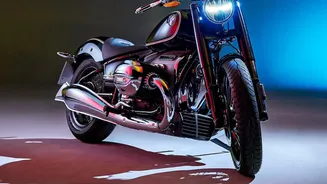
Before you start saving, you need a goal. The price of popular motorcycles in India can range from around ₹80,000 for a commuter model to well over ₹2 lakh for more powerful or premium bikes. A down payment is the initial amount you pay upfront, which
typically falls between 10% and 30% of the bike's on-road price. Let’s use a popular bike with an on-road price of ₹2,00,000 as an example. A 20% down payment would be ₹40,000. This is your savings target. A higher down payment is always better, as it reduces your loan amount, leading to smaller Equated Monthly Instalments (EMIs) and less interest paid over the loan's tenure.
What is a Recurring Deposit (RD)?
A recurring deposit is a special kind of term deposit offered by banks and post offices in India. It allows you to invest a fixed amount of money every month for a pre-determined period, earning a fixed interest rate. Think of it as a forced savings plan with a reward. Unlike a regular savings account where interest rates are low and you can withdraw money anytime, an RD locks in your funds for a specific tenure, helping you build discipline. The interest rates on RDs are significantly higher than savings accounts and are often comparable to those of Fixed Deposits (FDs).
The 12-Month Plan: Making the Math Work
Let's get back to our goal of saving ₹40,000 in 12 months. To figure out your monthly contribution, you can't just divide ₹40,000 by 12. You'll also earn interest, which gives your savings a little boost. As of August 2026, RD interest rates for a one-year tenure at major banks are around 6.8% to 7.0% per annum. Let’s assume a 7.0% annual interest rate. To reach approximately ₹40,000 in one year, you would need to deposit about ₹3,250 each month. At the end of 12 months, your total deposits of ₹39,000 would have earned you close to ₹1,400 in interest, getting you to your goal of just over ₹40,000. This disciplined approach ensures you methodically build your corpus without the stress of saving a large sum at the last minute.
How to Open Your RD Account
Opening an RD is incredibly simple and can be done in minutes. If you have an existing bank account, the easiest way is through your bank's mobile app or internet banking portal. Just log in, navigate to the 'Deposits' or 'Open RD' section, enter your monthly amount (e.g., ₹3,250), set the tenure for 12 months, and link your savings account for auto-debit. Setting up an auto-debit or standing instruction is crucial; it ensures the money is automatically transferred on a fixed date each month, enforcing saving discipline without you having to think about it. Alternatively, you can visit any bank branch or post office with your KYC documents (like your PAN and Aadhaar card) to open an account in person.
Staying on Track and Next Steps
The beauty of an RD is its structure. The fixed monthly commitment turns saving from a choice into a habit. Most banks charge a small penalty for missed payments, which acts as a further deterrent from skipping a month. Prematurely breaking your RD is also possible, but it usually comes with a penalty, typically a 1% reduction in the promised interest rate, which encourages you to see the plan through to maturity. Once your RD matures in 12 months, the principal and interest are credited directly to your linked savings account. You will then have the full down payment ready to walk into a showroom and book the bike you've been working towards.