


More Than Just Decoration
Before diving into which plants to buy, it’s worth knowing why they make such a difference. Beyond aesthetics, indoor plants are natural air purifiers. Research has shown that common houseplants can filter out volatile organic compounds (VOCs) from the air,
which are often emitted by furniture, paints, and cleaning products. Plants like the Snake Plant and Peace Lily even release oxygen at night, making them ideal for bedrooms. Furthermore, studies have demonstrated that interacting with plants can reduce stress and improve your mood, bringing a sense of calm to a busy urban life. In a small flat, where every element counts, a plant is a multitasking hero that boosts well-being and improves your environment.
The Unkillables: Best Plants for Beginners
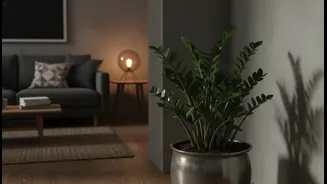
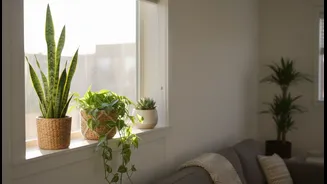
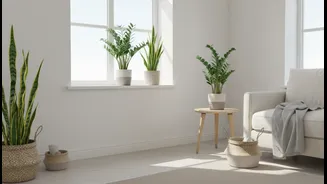
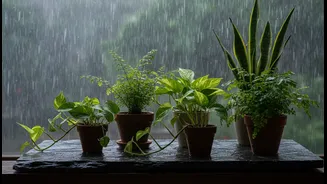
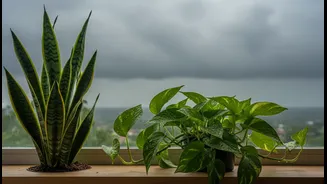
If you're new to plant parenting, start with varieties known for their resilience. The Snake Plant (Sansevieria) is a top choice because it grows vertically, taking up minimal floor space, and tolerates low light and infrequent watering. Another champion is the ZZ Plant (Zamioculcas zamiifolia), which thrives on neglect and can survive in dim corners where other plants might struggle. And of course, there's the Money Plant (Pothos), a staple in many Indian homes for a reason. It's incredibly easy to grow, can trail from shelves or climb, and tells you when it’s thirsty with a slight droop. These plants are forgiving, making them perfect for busy schedules and small spaces.
Air-Purifying Powerhouses
To maximise the health benefits, consider plants celebrated for their air-cleaning abilities. The Spider Plant (Chlorophytum comosum) is a NASA favourite for improving air quality and is incredibly easy to care for, producing little 'spiderettes' that can be replanted. It’s also great for hanging baskets, which saves precious floor space. The Peace Lily (Spathiphyllum) is another excellent choice, known for its elegant white flowers and ability to thrive in lower light conditions. It also has a helpful habit of drooping slightly to let you know when it needs water. The Areca Palm adds a lush, tropical feel and acts as a natural humidifier, which can be a bonus in dry, air-conditioned rooms.
Smart Placement in Small Spaces
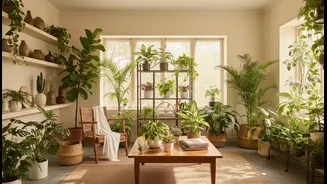
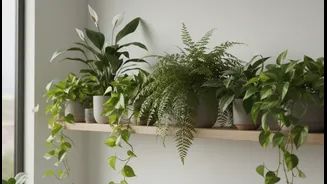
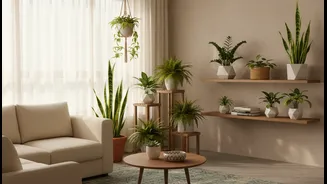
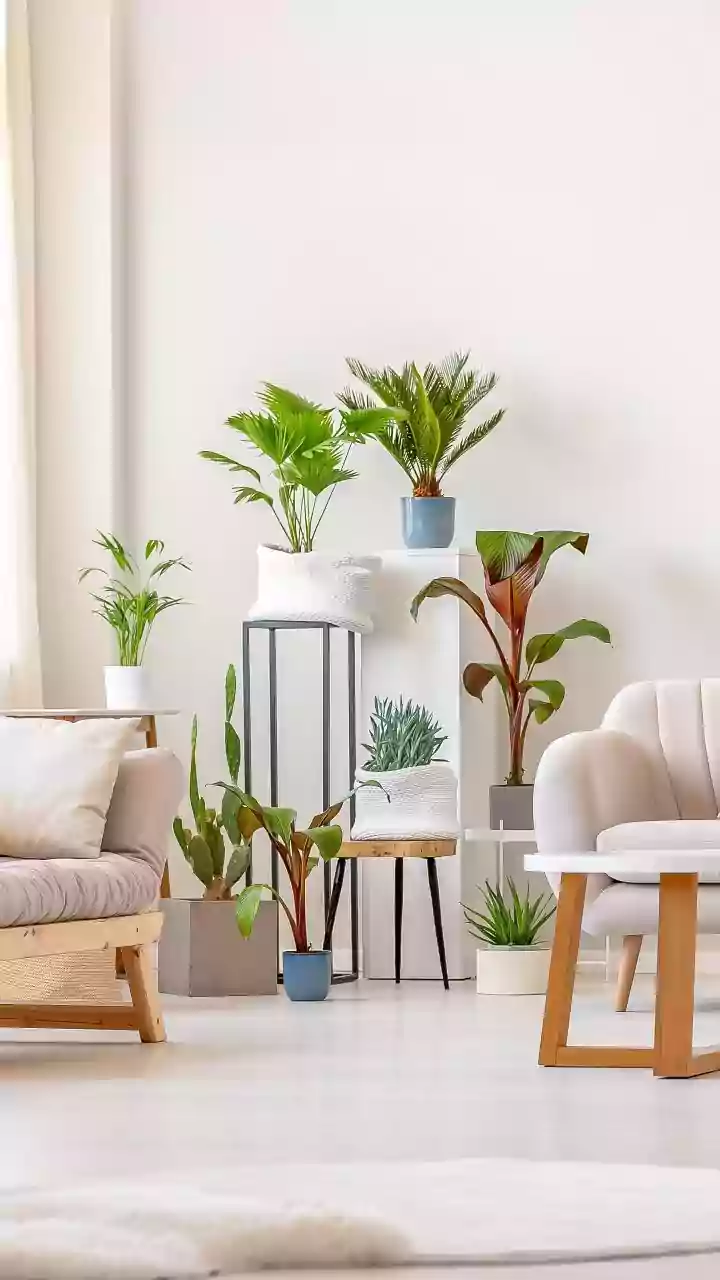
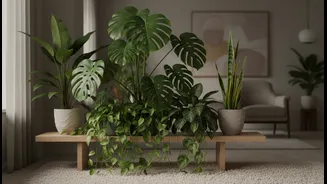
In a small flat, where and how you place your plants is key. Think vertically to save floor space. Use hanging planters for trailing plants like Pothos or Spider Plants, or install wall shelves to create a green feature wall. An empty corner can be transformed into a lush focal point by grouping two or three plants of varying heights, such as a tall Snake Plant, a medium Peace Lily, and a small Aglaonema. Even a windowsill can become a mini-garden for small succulents or herbs. The trick is to draw the eye upwards and use neglected spaces, making the room feel more dynamic and less cluttered.
A Simple Care Routine
Low-maintenance doesn't mean no-maintenance. The most common mistake beginners make is overwatering, which can lead to root rot. A simple rule is to stick your finger an inch into the soil; if it feels dry, it’s time to water. Ensure all your pots have drainage holes to let excess water escape. Every few weeks, wipe down the leaves with a damp cloth to remove dust, which helps the plant absorb light more efficiently. Most indoor plants sold in India will thrive in standard indoor potting mix and only need a balanced liquid fertiliser once every couple of months during their growing season, which is typically spring and summer.