


The New 'Third Pillar' of Festive Eating
For years, navigating the festive food landscape meant a tug-of-war between two ideas: being mindful of nutrition (avoiding excess sugar and fat) and practising portion control. The goal was to minimise the damage. But a more holistic approach is gaining
traction, one that prioritises how you feel long after the meal is over. This new focus is on 'gut comfort'—ensuring that indulgence doesn't lead to bloating, acidity, or indigestion. It’s a shift from restriction to intentional enjoyment, where the goal is to feel as good and energetic after the feast as you did before it. This evolving mindset acknowledges that rich foods are an integral part of celebration, but the uncomfortable after-effects don't have to be.
What Exactly Is 'Gut Comfort'?
Gut comfort is the pleasant state of feeling light, energised, and free from digestive distress after eating. It means your digestive system isn't overwhelmed. At its core, this is about supporting your gut microbiome—the trillions of microorganisms in your digestive tract that are crucial for metabolism, immunity, and even mood. Festive foods, which are often high in sugar, unhealthy fats, and refined flours, can disrupt this delicate ecosystem, leading to common issues like gas, bloating, and constipation. The aim of eating for gut comfort is to nourish the beneficial bacteria in your gut, helping them do their job efficiently even amidst the festive indulgence.
Building a Gut-Friendly Festive Plate
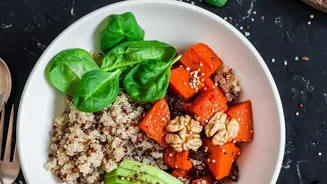
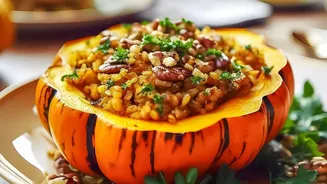
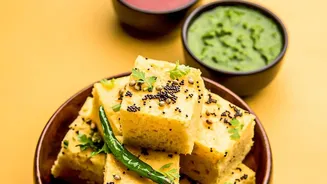
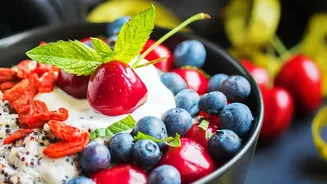
You don't need to skip your favourite dishes; you just need to balance them. A key strategy is to fill half your plate with fibre-rich foods like salads, steamed vegetables, or whole grains before moving to the richer items. Fibre feeds good gut bacteria and aids digestion. Another simple yet effective addition is incorporating probiotics. A side of dahi (curd), a glass of chaas (buttermilk), or a serving of traditional fermented pickles can introduce beneficial bacteria that help manage the effects of heavy foods. These traditional Indian staples are now being recognised as powerful tools for maintaining digestive harmony during celebrations.
Smart Swaps and Mindful Habits
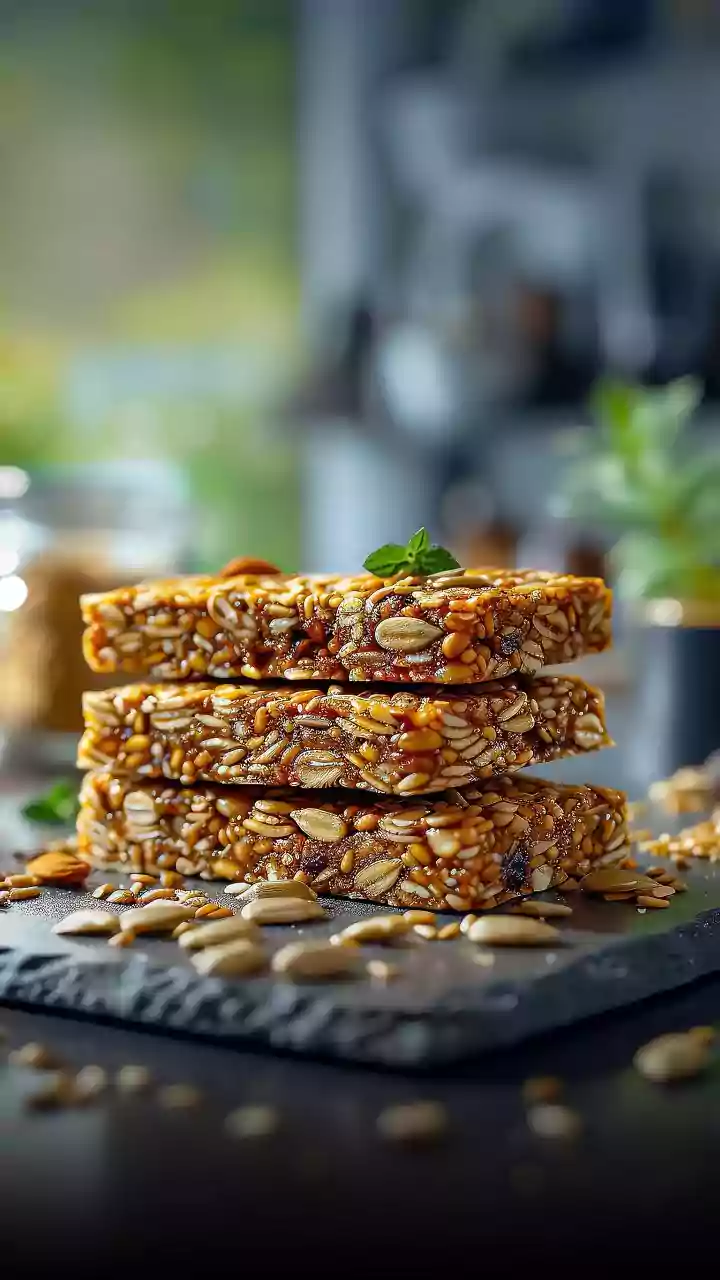
Small changes can make a significant difference. When it comes to sweets, consider options made with jaggery or dates instead of refined sugar, or opt for dry fruit laddoos over cream-heavy barfis. These swaps are gentler on your system. Hydration is also crucial; rich foods can be dehydrating, slowing down digestion. Sipping on water, coconut water, or herbal teas like ginger or fennel throughout the day can prevent this. Finally, practice mindful eating. Chew your food thoroughly and eat slowly. It takes about 20 minutes for your brain to register that you're full, and eating at a slower pace prevents overeating and gives your digestive system a helping hand.
Don't Skip Meals, and Plan for Recovery
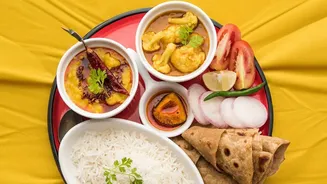
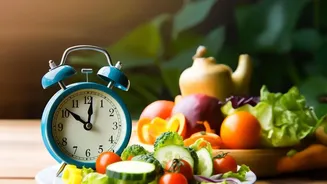
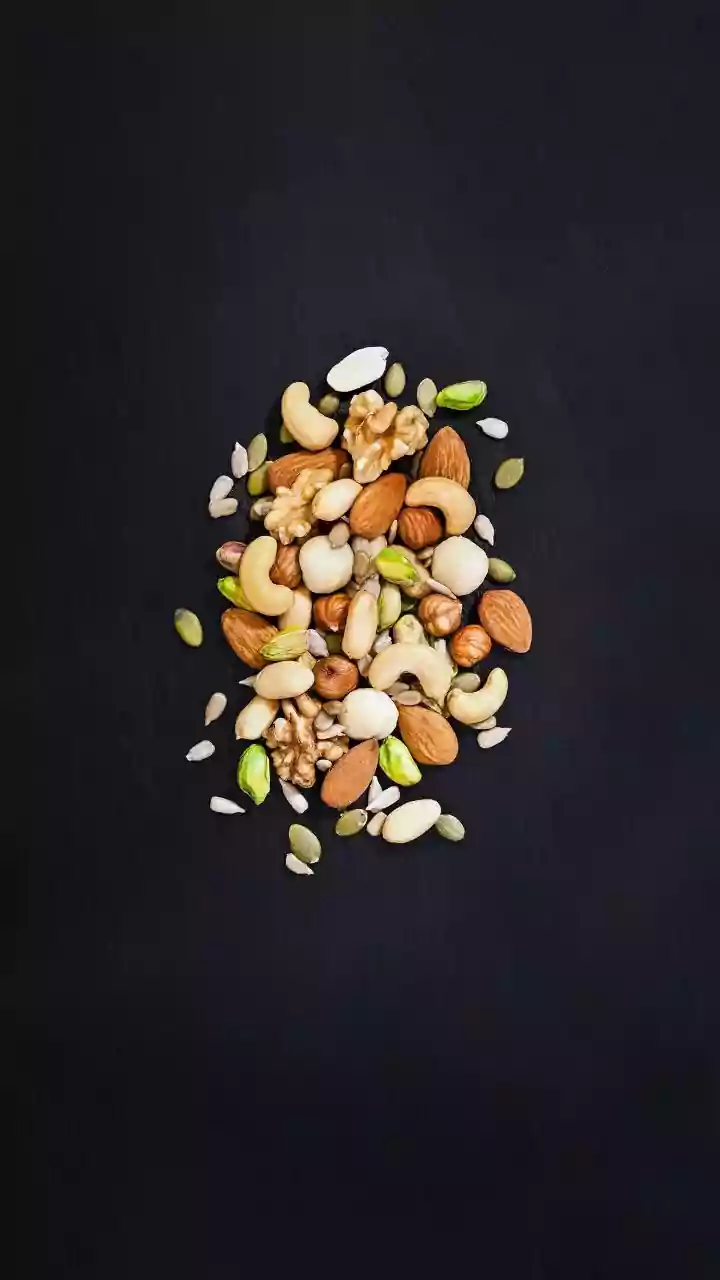
It might seem logical to skip lunch to 'save calories' for a big dinner party, but arriving famished often leads to overeating and poor food choices. Having a small, protein-rich snack like a handful of nuts or a bowl of curd an hour before the event can curb extreme hunger and help you eat more moderately. It's also wise to plan for the day after a big feast. Instead of continuing the indulgence, give your gut a rest with a light, easy-to-digest meal like khichdi. This traditional one-pot dish, a combination of rice and lentils, is known for being soothing on the digestive system and helps your body reset.