






A Modern Pilgrimage After Dark
Forget the daytime crowds and the chorus of guidebooks. A growing community of photographers across India is reclaiming these historical spaces in the quietest hours of the night. Known as 'photowalks' or, more adventurously, 'crawls', these nocturnal
expeditions are part pilgrimage, part creative mission. Groups of enthusiasts, ranging from seasoned professionals to curious hobbyists, gather at the gates of majestic forts in places like Rajasthan, Maharashtra, and Delhi. Their goal is not just to see the monument, but to collaborate with it, using the profound darkness and the sweep of time to create images that are impossible in daylight. It's a movement that blends a deep appreciation for heritage with a passion for cutting-edge photographic techniques, turning silent ruins into vibrant, otherworldly canvases.
The Art of Painting with Time
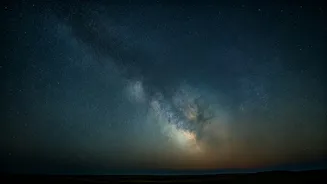
The magic behind these epic images is long-exposure photography. By leaving the camera's shutter open for seconds, minutes, or even hours, photographers can capture movement and light in ways the human eye cannot perceive. A sturdy tripod is non-negotiable, as even the slightest vibration can blur the image. The true artistry, however, lies in techniques like 'light painting', where photographers use torches, LED wands, or even steel wool set alight and spun on a rope to 'paint' light onto the fort's walls and arches. This illuminates the ancient stonework against the dark sky, creating a dramatic, almost ethereal effect. Another popular technique is capturing star trails. Over a long exposure, the rotation of the Earth causes the stars to appear as concentric arcs of light, streaking across the sky above a perfectly still, centuries-old silhouette. It's a method that requires immense patience, technical skill, and a deep understanding of light.
Where History Meets the Cosmos
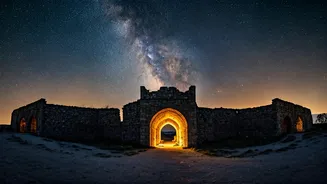
The choice of location is critical. India's forts are ideal subjects for several reasons. Their geographic placement, often on hilltops or in remote areas far from city lights, offers a pristine view of the night sky, making astrophotography possible. The forts of Rajasthan, like Mehrangarh or Kumbhalgarh, provide dramatic, imposing silhouettes and intricate textures that come alive with selective lighting. Similarly, the desolate beauty of forts in the Deccan Plateau or the coastal bastions of Maharashtra offer unique backdrops. These photographers aren't just capturing architecture; they're capturing atmosphere. The crumbling walls, silent courtyards, and towering ramparts carry the weight of history. A long-exposure photograph from one of these crawls doesn't just show a building; it captures a dialogue between the enduring stone, the fleeting light, and the eternal cosmos.
The Community of the Night
While photography can be a solitary pursuit, these midnight crawls are deeply communal. They are organised through social media groups, photography clubs, and word-of-mouth. There’s a shared sense of adventure in navigating a dark, ancient space together. Knowledge is freely exchanged—a veteran might show a newcomer how to set their camera for star trails, while another shares the best angle to light-paint a hidden archway. A quiet camaraderie develops in the shared silence, broken only by the click of shutters and whispered instructions. This community is bound by a mutual respect for both the craft and the location. They follow a strict 'leave no trace' ethic, ensuring these heritage sites are left as pristine as they were found. For many, the experience of creating together in such a hallowed space is as rewarding as the final photograph.