



The Rise of the Invisible Kitchen
The cloud kitchen, also known as a ghost or virtual kitchen, has transformed the food industry. Operating without a physical storefront, these delivery-only establishments drastically cut down on the high overhead costs of a traditional restaurant. This
lean model provides a low-risk platform for culinary entrepreneurs to test the market. For many, it starts with a simple passion for cooking and a desire to share it. During the pandemic, many home chefs saw an opportunity to provide home-cooked meals to those living away from their families, often starting with just a few orders and growing through word-of-mouth. This digital-first approach, leveraging social media and direct messaging, allows small-scale operators to build a direct connection with their customers, offering a personal touch that larger chains cannot replicate.
A Hunger for Authenticity
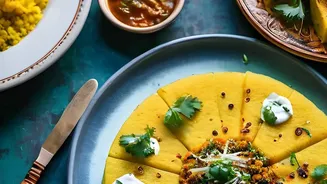
While the market is flooded with pizzas and biryanis, a growing segment of urban diners is looking for something more. They are seeking flavours that tell a story, dishes rooted in a specific place and culture. This is where entrepreneurs focusing on indigenous and hyper-regional food come in. From the tribal kitchens of Jharkhand to the coastal recipes of the Santhal community, chefs are finding success by not diluting their offerings. Startups like Nagpur-based Nativ Chefs and brands like The Divine Foods were founded on the principle of bringing traditional, generationally-passed-down recipes to a wider audience. This isn't about chasing trends; it's about preserving heritage and meeting a rising demand for authenticity and comfort, which have become primary drivers for food choices.
The Secret Ingredient is Story
For the 'picky metro foodie,' a meal is more than just food; it's an experience. These discerning customers are drawn to the narrative behind the dish. Micro-cloud kitchens excel at this, using platforms like Instagram and pop-up events to share the history of their cuisine. Manisha Oraon, founder of The Tribal Table, uses pop-ups and modern plating to place her ancestral food in fine-dining spaces, believing that storytelling is central to the experience. This focus on seasonality, sustainability, and traditional knowledge resonates deeply with modern consumers who value 'clean labels' and foraged ingredients. Knowing that a dish uses a specific native turmeric from Salem or features red ants, a delicacy in some tribal communities, adds a layer of discovery that a generic curry cannot offer.
Beyond Butter Chicken
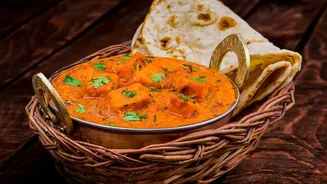
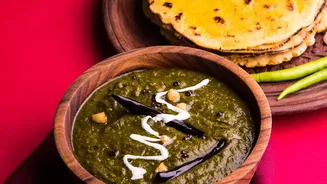
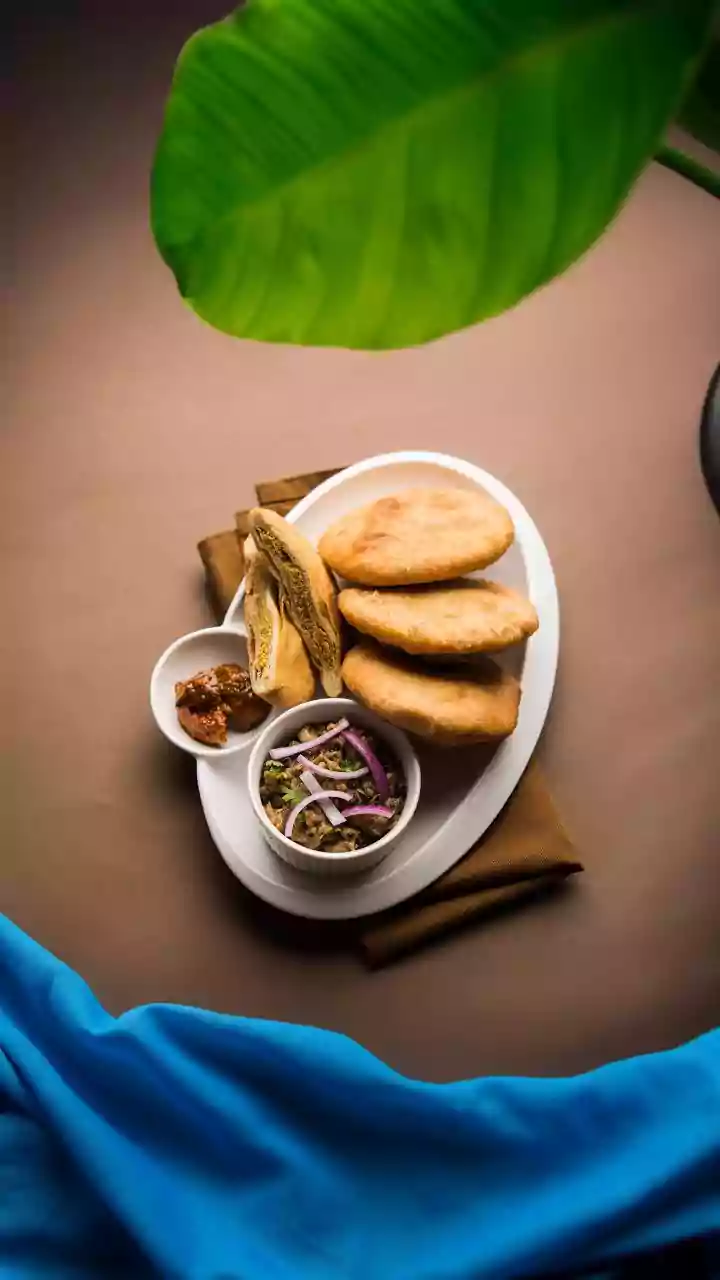
The success of these micro-kitchens signifies a major shift in India's urban palate. Diners are moving beyond the standard North Indian fare that once defined 'Indian food' for many. They are exploring the complexities of Keralan spices, the unique breads of Himachal Pradesh, and the distinct flavours of India's diverse tribal communities. Initiatives like Tata Steel Foundation's 'Aatithya' program have actively empowered home cooks, 80% of whom are women, by bringing tribal cuisines to larger audiences and turning tradition into sustainable livelihoods. This movement is not just diversifying menus; it's fostering a more nuanced understanding of India's vast culinary landscape. By championing these lesser-known cuisines, these small kitchens are helping to decolonise the Indian menu, one delivery at a time.