
What Exactly Is Polenta?
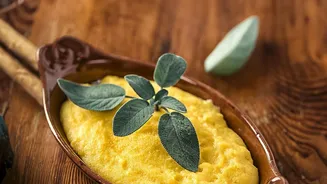
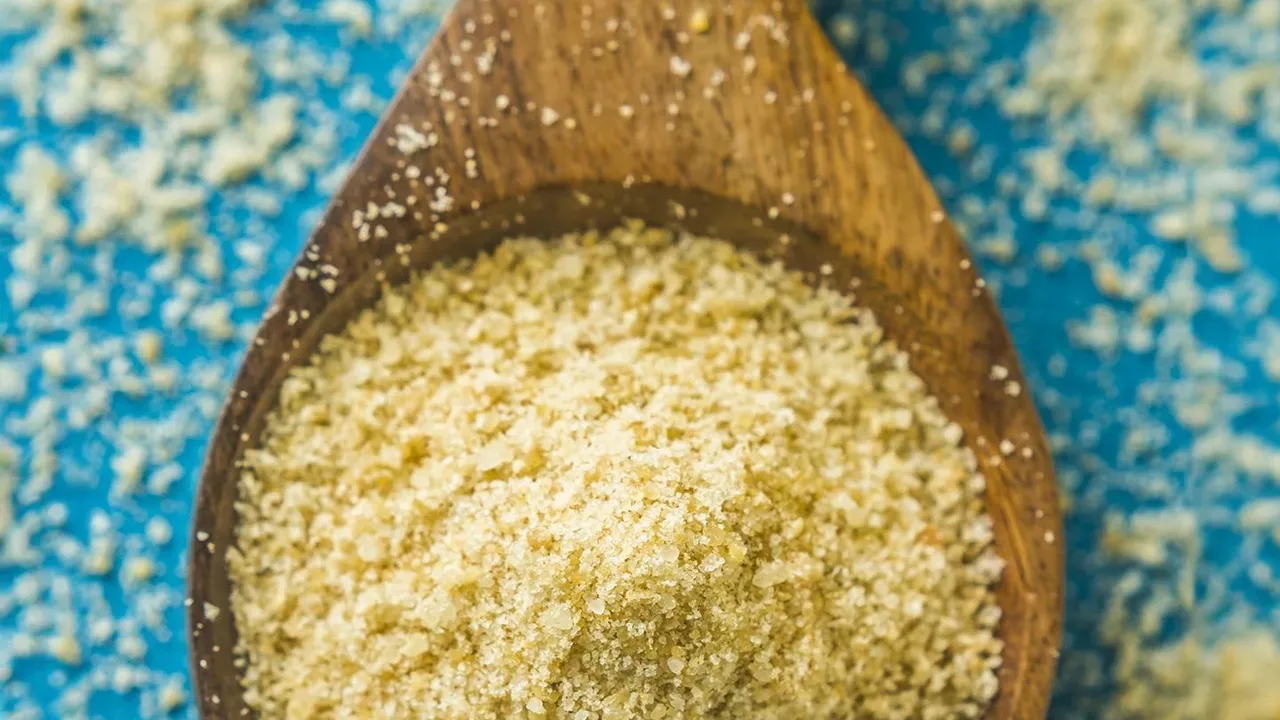
At its core, polenta is ground cornmeal boiled into a porridge. Originating in Northern Italy, it was long considered peasant food but has since found its way into high-end restaurants worldwide. What can be confusing is that the word 'polenta' refers
to both the raw ingredient (the cornmeal itself) and the finished dish. You can find cornmeal labeled as polenta, which is often a coarser grind, but regular cornmeal works just as well. The grind size—from fine to coarse—will affect the final texture and cooking time. There are even 'instant' or 'quick-cook' varieties that are pre-cooked to drastically reduce time in the kitchen.
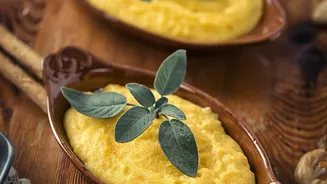
The Secret to Creamy Polenta
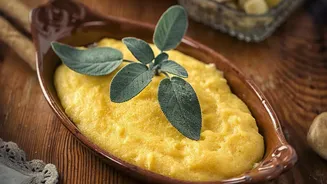
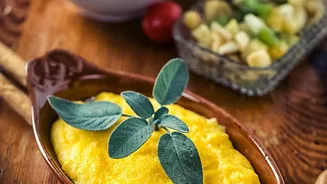
For a soft, creamy polenta that rivals mashed potatoes, the key is the ratio of liquid to cornmeal. A common guideline is four to five parts liquid for every one part polenta. For an even richer result, you can use milk, stock, or a combination of water and milk instead of just water. To avoid lumps, bring your salted liquid to a simmer and then slowly pour in the cornmeal in a steady stream, whisking constantly until it begins to thicken. Once thickened, reduce the heat to low, cover the pot, and let it cook for 30-45 minutes, stirring every five to ten minutes to prevent it from sticking to the bottom of the pan. The polenta is ready when the grains are tender and no longer gritty. Just before serving, stirring in a knob of butter and a generous handful of grated Parmesan cheese will give it an extra silky finish.
How to Make Firm Polenta
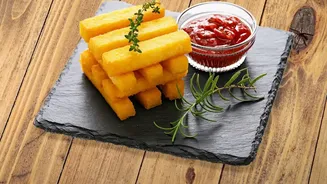
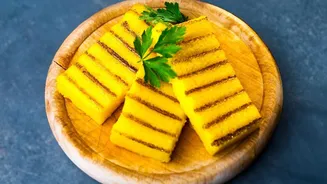
If your goal is to grill, fry, or bake polenta, you'll need to make a version that sets up firmly. This requires less liquid. A ratio of one part polenta to three parts liquid is a good starting point. Cook the polenta using the same method as the creamy version—whisking it into simmering liquid and stirring until it becomes very thick and starts to pull away from the sides of the pot. Once cooked, immediately pour the hot polenta into a greased or parchment-lined baking dish or pan, spreading it into an even layer. Let it cool completely at room temperature, then transfer it to the refrigerator for at least a few hours, or even overnight, to allow it to fully set. Once chilled and firm, the polenta can be cut into squares, triangles, or rounds for cooking.
Tips for Perfect Grilling
Grilling polenta adds a delightful smokiness and a crispy exterior while keeping the inside tender. The most important step is to prevent it from sticking. Preheat your grill to medium-high heat (around 400-450°F) and make sure the grates are clean and well-oiled. Cut the chilled, firm polenta into slices about a half-inch thick. Brush both sides of each slice generously with olive oil before placing them on the grill. The crucial tip is to be patient: let the polenta cook for 5-7 minutes per side without moving it. This allows a crust to form, which helps it release cleanly from the grates. You'll know it's ready to flip when it lifts easily with a spatula. The result should be beautiful grill marks and a perfectly cooked slice.
Serving Suggestions
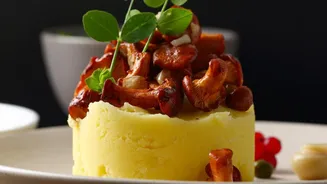
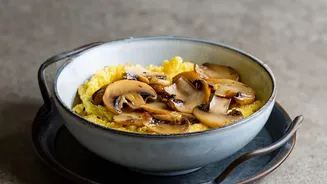
The versatility of polenta shines in how it's served. Creamy polenta is the perfect bed for hearty, saucy dishes like a rich meat ragu, red wine-braised short ribs, or earthy roasted mushrooms. It soaks up sauces beautifully. Grilled polenta is fantastic on its own as an appetiser, perhaps topped with a fresh tomato bruschetta, pesto, or a slice of melted cheese. It also works as a gluten-free side dish for grilled meats, chicken, or fish, and can even serve as a unique base for a breakfast of fried eggs and bacon.