




That Pot and Balcony Problem
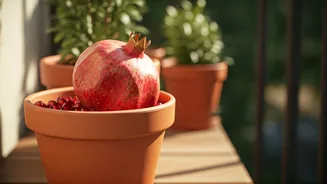
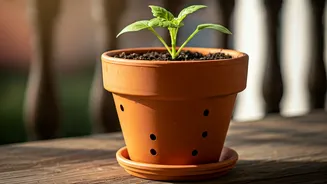
The first hurdle for any aspiring balcony gardener is space, and pomegranates are needier than you think. While you can grow them in containers, a small decorative pot won't cut it. To have any hope of fruit, you need a large container, at least 15 to
20 gallons (about 60-75 litres) or 18-24 inches wide and deep. This is a significant size and weight for many balconies. Even more critical is sunlight. Pomegranates are sun-worshippers, requiring a minimum of six to eight hours of direct, unfiltered sunlight every day to even consider flowering, let alone fruiting. Many balconies, especially those with overhangs or facing any direction but south, simply don't get this much direct light. Without it, you might get a leafy shrub, but your chances of seeing fruit plummet.
Choose Your Fighter Wisely
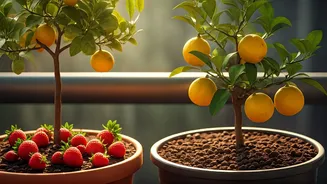
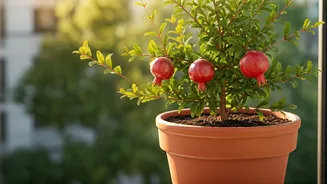
You can't just grab any pomegranate sapling from the nursery and expect it to thrive in a pot. Standard pomegranate trees can grow up to 30 feet tall, which is clearly unsuitable. Your best, and really only, bet for container growing is a dwarf variety. The most common and recommended type is 'Punica granatum Nana'. This variety is specifically bred for a compact size, typically growing to about three feet tall. It's prized for being ornamental, producing vibrant orange-red flowers and small, often edible, fruits. Starting from a nursery-grown sapling is also highly recommended over seeds; a plant grown from a cutting may fruit in two to three years, whereas a seed-grown plant could take much longer, if it fruits at all.
The Patience of a Gardener
Gardening teaches patience, and a container-grown pomegranate will be your masterclass. Even with a healthy dwarf sapling and perfect conditions, you won't be harvesting fruit in the first year. It typically takes two to four years for a potted pomegranate to become mature enough to produce its first fruits. During this time, your job is to keep the plant healthy, well-fed, and properly watered without any immediate reward. It’s also common for young trees to produce flowers that simply drop off without setting fruit. This can be a normal part of the plant's development, as it directs energy toward root and foliage growth first.
What 'Fruitful' Actually Means
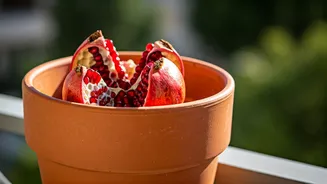
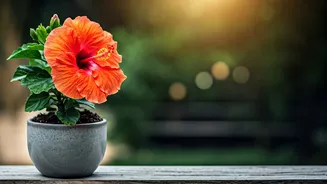
If you've navigated the challenges of space, light, and patience, and your tree finally decides to produce, it's time to manage expectations about the harvest. A balcony pomegranate will not yield a bounty of large, supermarket-quality fruit. A successful harvest might mean just a handful of small pomegranates. The dwarf 'Nana' variety, for instance, produces miniature fruits. For many growers, the primary reward is the stunning, fiery orange-red flowers that can appear throughout the summer. Think of the fruit as a wonderful, but not guaranteed, bonus. The true joy comes from cultivating a beautiful, unique plant and celebrating its small victories, whether that's a new leaf, a vibrant flower, or a single, precious fruit.
The Constant Care Commitment
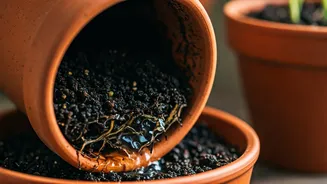
Unlike their in-ground counterparts that can be quite drought-tolerant once established, container plants are completely dependent on you for survival. The limited soil in a pot dries out much faster, especially on a hot, sunny balcony, so you'll need to monitor watering closely, perhaps as often as every day in peak summer. They also need regular feeding with a balanced fertiliser during the growing season, as nutrients leach out with each watering. You'll also need to be vigilant about pests and consider how you will protect your plant during the winter if you live in a colder climate, as most varieties are not frost-proof and may need to be brought indoors.