


Understanding Ghee's Role in Nutrition
Ghee, a form of clarified butter, is revered in Ayurveda and Indian cuisine. It is a pure fat, rich in fat-soluble vitamins like A, E, and D. The core idea behind its ability to enhance nutrient absorption is straightforward: certain vitamins and nutrients
are 'fat-soluble'. This means they need fat to be absorbed by the body. When you add ghee to a meal containing these nutrients, you provide the necessary vehicle for them to be transported from your gut into your bloodstream. Think of ghee as the carrier that unlocks the full potential of other nutritious foods on your plate.
The Science of Cooking with Ghee
One of ghee's greatest practical advantages is its high smoke point, which is around 250°C (482°F). This is significantly higher than butter and many common cooking oils. When oils are heated past their smoke point, they begin to break down, forming harmful compounds and losing nutritional value. Ghee's stability at high temperatures makes it ideal for Indian cooking methods like tempering (tadka), sautéing, and frying. By using ghee, you can cook your food at the high heat required for many recipes without degrading the fat, thus preserving the nutrients in both the ghee and the food you are cooking.
Smart Pairings for Maximum Benefit
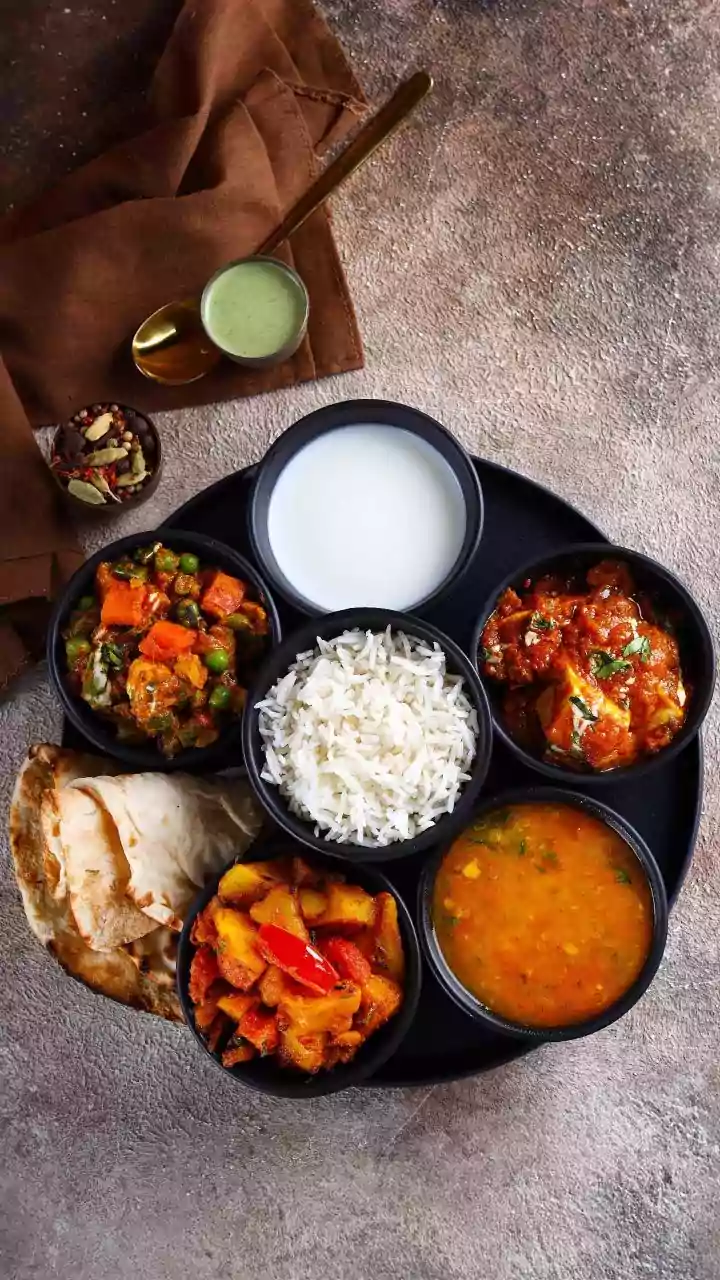
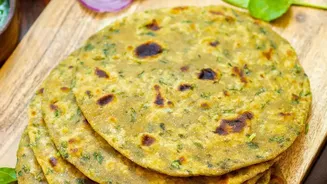
To leverage ghee's absorption-boosting properties, pair it strategically. Drizzle a teaspoon of warm ghee over lentil soup (dal) or steamed vegetables. When added to vegetables rich in fat-soluble vitamins—like carrots (rich in beta-carotene, a precursor to Vitamin A) or leafy greens (rich in Vitamin K)—ghee can help your body absorb these nutrients more effectively. Spreading ghee on a chapati helps to lower the glycaemic index of the meal, keeping you fuller for longer. The simple act of adding a 'tadka' of spices bloomed in ghee to a dal not only adds immense flavour but also turns it into a more nutritionally synergistic meal.
Mindful Portions: How Much is Enough?
Mindful consumption is about quality and intention, not quantity. Ghee is calorie-dense, so moderation is key. For most healthy, moderately active adults, a daily intake of one to two teaspoons (about 5-10 grams) is a widely recommended guideline. This assumes you are using it to replace other fats in your cooking, not adding it on top of them. An active person may be able to incorporate slightly more, while a sedentary individual may need less. The key is to listen to your body and consider your overall diet. A small amount is often enough to impart flavour and aid nutrient absorption without adding excessive calories.
Choosing Your Ghee Wisely
The quality of your ghee matters. Traditionally made ghee, especially from the milk of grass-fed cows (often referred to as A2 ghee), is considered nutritionally superior by many. This type of ghee is said to be richer in nutrients like Conjugated Linoleic Acid (CLA) and butyrate, a short-chain fatty acid that supports gut health. Whether you choose to make it at home or purchase it, opt for ghee with a rich, nutty aroma and a uniform, granular texture when solid. While any pure ghee can help with fat-soluble vitamin absorption, a high-quality product ensures you get the best flavour and a broader spectrum of beneficial compounds.