





Swap White Rice for Millets
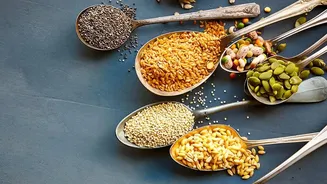
Polished white rice is being replaced by a variety of millets like ragi, jowar, and bajra. These ancient grains, once staples of rural India, are making a strong comeback due to their superior nutritional profiles. Rich in fibre, protein, and essential
minerals like calcium and iron, they offer sustained energy release and are naturally gluten-free. Their versatility allows them to be used in everything from rotis and dosas to porridge and modern salads.
Swap Refined Sugar for Natural Sweeteners
Health-conscious consumers are moving away from refined white sugar towards natural alternatives. Jaggery (gur), date syrup, and coconut sugar are popular choices as they are less processed and retain some minerals. For those monitoring blood sugar, plant-based sweeteners like stevia and monk fruit, which have zero calories and a low glycemic index, are also gaining traction in the Indian market.
Swap Refined Oils for Cold-Pressed Oils
The debate between refined and cold-pressed oils is settling in favour of the latter. Cold-pressed oils, extracted without high heat or chemical solvents, retain more natural nutrients, antioxidants, and flavour. While refined oils have a higher smoke point, households are increasingly using cold-pressed groundnut, mustard, or coconut oils for everyday cooking, appreciating their purer form and health benefits.
Swap Regular Wheat Atta for Millet or Multigrain Blends
While whole wheat atta is a staple, many are now opting for flours made from millets like jowar (sorghum) and bajra (pearl millet), or blends that include ragi and amaranth. These flours offer a richer nutrient profile, including more fibre and protein, and cater to a growing interest in gluten-free or lower-gluten diets. This trend marks a return to the diverse bread-making traditions of different Indian regions.
Swap Packaged Chips for Roasted Makhana
The quintessential evening snack is getting a healthy makeover. Fried potato chips and other packaged namkeens are being swapped for roasted makhana (fox nuts). Makhana is naturally low in calories and fat, cholesterol-free, and a good source of protein and fibre. Lightly roasted and seasoned at home, it provides a satisfying crunch without the unhealthy trans fats and excess sodium found in many processed snacks.
Swap Table Salt for Himalayan Pink Salt
The humble salt shaker is also seeing an upgrade. Many are replacing standard iodised table salt with Himalayan pink salt, also known as sendha namak. Mined from rock salt deposits, it is unrefined and gets its pink hue from trace minerals like magnesium, potassium, and calcium. While its health benefits over table salt are debated, its purity and use in traditional practices like fasting rituals have boosted its popularity in modern kitchens.
Swap Potatoes for Sweet Potatoes or Raw Jackfruit
In the vegetable basket, the versatile potato is sometimes being switched for more nutrient-dense options. Sweet potatoes offer more fibre and Vitamin A. Even more popular is the use of unripe jackfruit as a vegetable. Due to its fibrous, meat-like texture, it has become a favourite plant-based substitute for shredded meat in curries and stir-fries, gaining global recognition as a 'superfood'.
Swap Maida for Whole Wheat or Other Flours
All-purpose flour (maida) is increasingly viewed as an unhealthy, highly processed ingredient. For making everything from baked goods to puris, home cooks are swapping it for whole wheat flour (atta), or more nutritious alternatives like oat flour, almond flour, or buckwheat (kuttu) flour. These substitutes not only add fibre and protein but also introduce new flavours and textures to familiar dishes.
Swap Dairy Milk for Plant-Based Milks
The plant-based movement is making its way into Indian households, with dairy milk being swapped for alternatives like oat, almond, and soy milk. This trend is driven by factors including lactose intolerance, ethical considerations, and general health awareness. The availability of these milks has surged, with even local cafes now offering dairy-free options for chai and coffee, signaling a major shift in beverage consumption.
Swap Cream-Based Gravies for Yogurt or Tomato Bases
Rich, creamy curries are a celebrated part of Indian cuisine, but many are now seeking lighter versions. Instead of using heavy cream or cashews, cooks are turning to thick yogurt or pureed tomatoes to create rich gravies. This simple swap significantly reduces the fat and calorie content of dishes like 'butter' chicken or palak paneer without sacrificing the flavour and comforting richness that defines them.