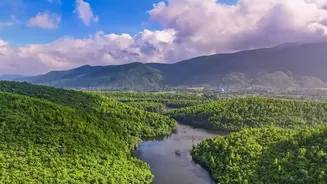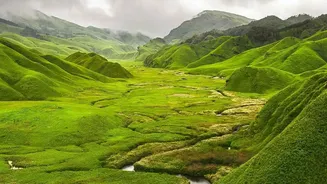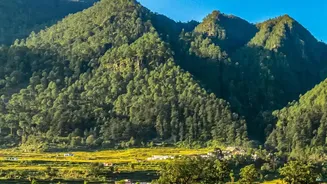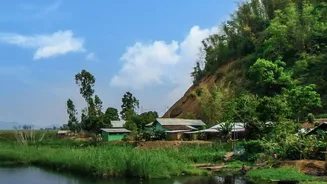

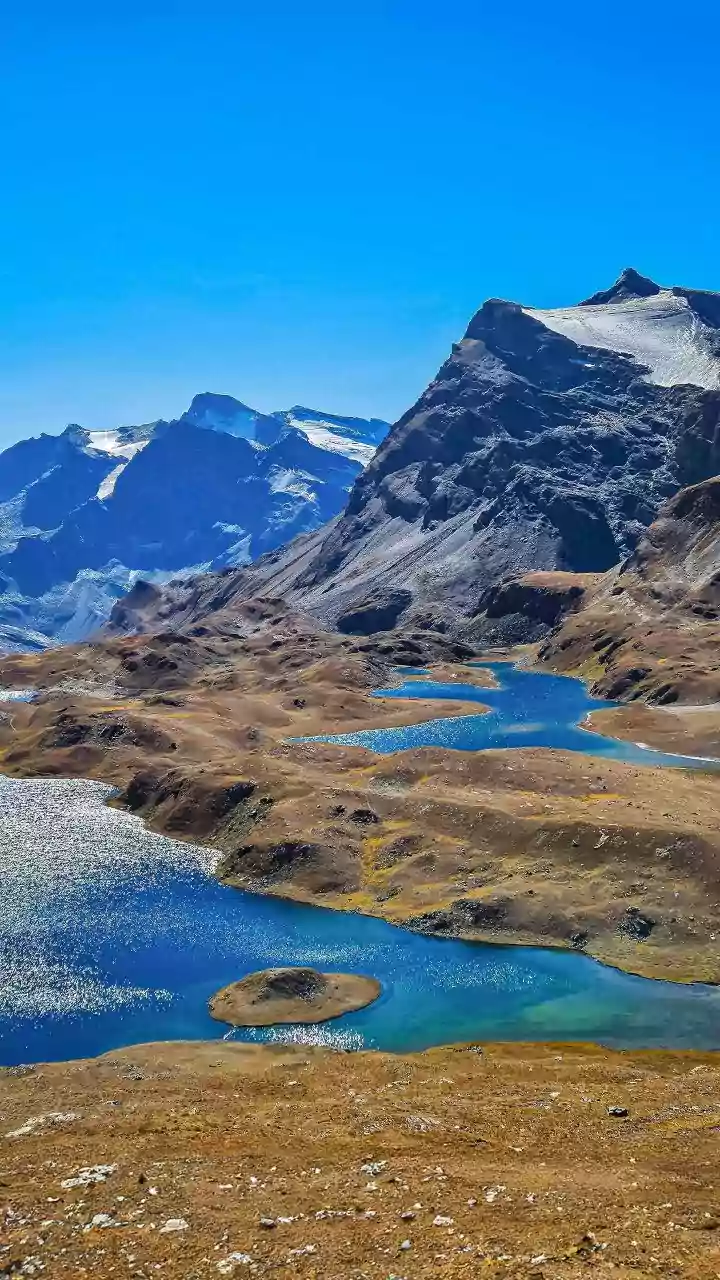
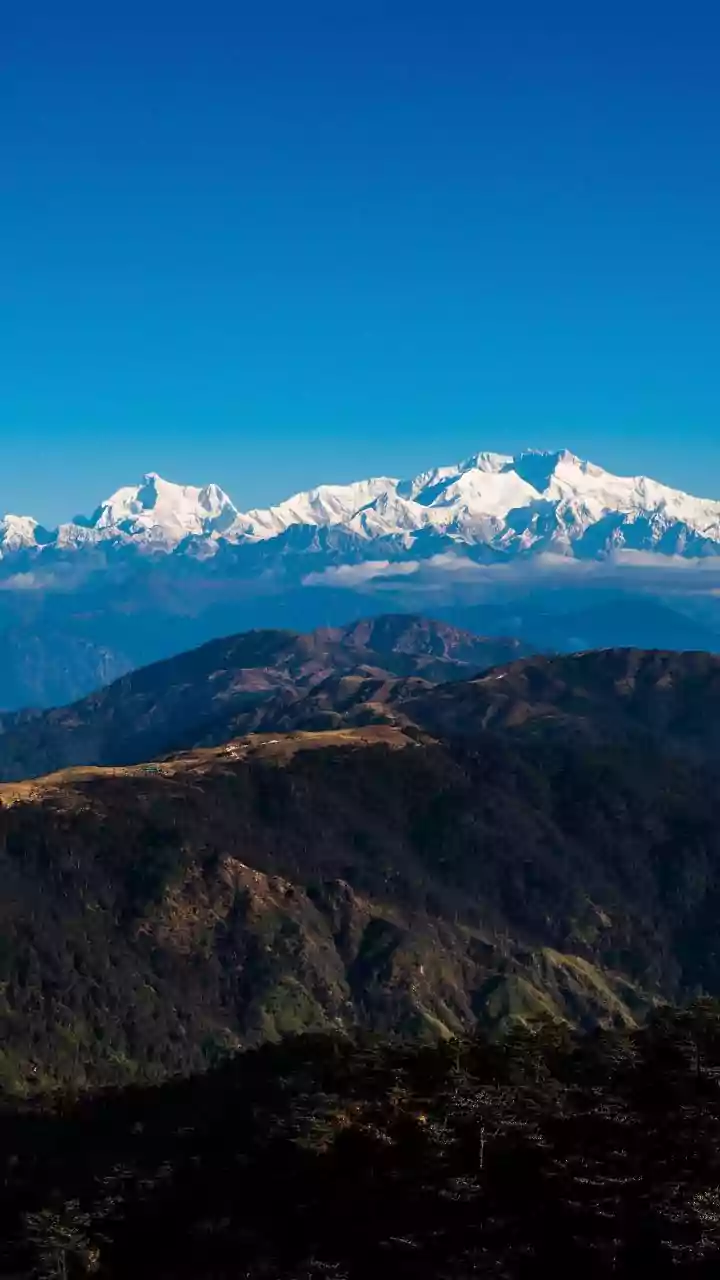
A journey to Arunachal Pradesh, the 'Land of the Dawn-Lit Mountains', is an adventure into a world of spiritual serenity and raw natural beauty. For many, the ultimate destination is Tawang, a remote paradise where scenic itineraries are defined by its
soul-stirring high-altitude lakes and formidable mountain passes.
The Gateway to Tawang: Sela Pass
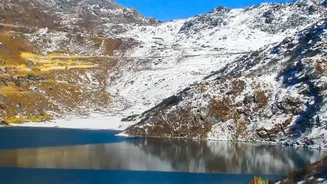
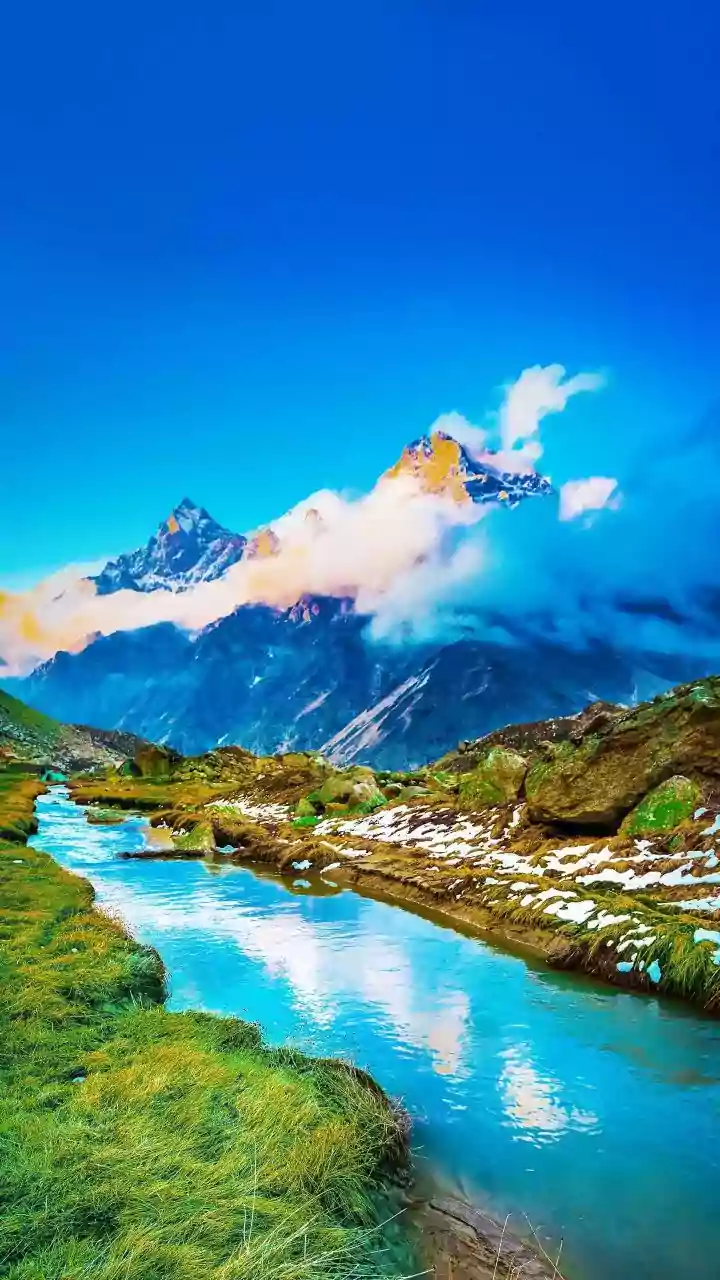
The journey to Tawang, perched at around 10,000 feet, is an experience in itself. Most travellers arrive from the plains of Assam via a winding mountain road that takes them through Bomdila and Dirang. The undisputed highlight of this route is crossing the formidable Sela Pass, situated at a breathtaking altitude of 13,700 feet. This pass is the primary geographic and spiritual gateway connecting the Tawang valley to the rest of India. The air thins and the landscape transforms into a dramatic canvas of snow-dusted peaks, meadows, and the crystal-clear Sela Lake that sits right by the road. While the pass could be challenging in winter due to snow, the recently constructed Sela Tunnel, an engineering marvel, now offers all-weather connectivity, bypassing the most treacherous stretches and reducing travel time.
The Lake With a Bollywood Connection
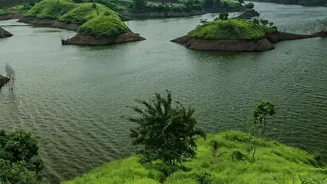
Once in Tawang, a new set of adventures unfolds, with day trips to even higher altitudes. One of the most famous destinations is Sangestar Tso, a lake with a unique pop-culture identity. Known to most Indian tourists as 'Madhuri Lake', it was nicknamed after actress Madhuri Dixit, who filmed a song sequence here for the 1997 movie 'Koyla'. The lake itself has a dramatic origin story. It was formed by a major earthquake in the region, which caused landslides that dammed a river and submerged a forest. The most hauntingly beautiful feature of the lake is the cluster of dead tree trunks that still rise from its placid, crystal-clear waters, creating a surreal and unforgettable landscape.
Pankang Teng Tso and a Realm of Lakes
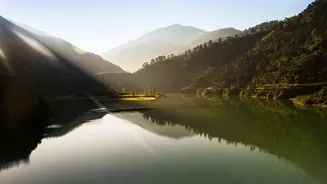
While Madhuri Lake gets the lion's share of attention, Tawang is home to over 100 alpine lakes. Another accessible and stunning waterbody is the Pankang Teng Tso, often shortened to P.T. Tso. Located about 17 km from Tawang town, this serene lake is surrounded by snow-clad mountains and, during spring, vibrant rhododendron groves. In winter, it freezes over completely, transforming into a white wonderland. P.T. Tso is often a stop on the way to the more famous Sangestar Tso and the Bum La Pass, offering a moment of quiet reflection amidst the grandeur of the Eastern Himalayas. Its calm waters perfectly mirror the sky and surrounding peaks, making it a paradise for photographers.
To the Edge of India: Bum La Pass
For many visitors, the ultimate pilgrimage from Tawang is the drive to Bum La Pass. Situated at a staggering 15,200 feet, this pass lies on the Line of Actual Control (LAC) between India and China. The journey, about 37 km from Tawang, is an adventure across rugged terrain that requires a sturdy local 4x4 vehicle. The experience at the top is profoundly moving; it’s a place where raw Himalayan landscapes meet a palpable sense of patriotism and history. Here, Indian citizens can see Chinese territory just a few metres away and visit the 'Heap of Stones' monument, a symbol of peace and friendship between the border forces. A visit here provides a powerful context to the region's strategic importance, shaped by the 1962 Sino-Indian War.
Planning Your High-Altitude Journey
A trip to Tawang requires careful planning. All Indian tourists who are not residents of Arunachal Pradesh must obtain an Inner Line Permit (ILP), which can be applied for online. A standard tourist ILP is typically valid for up to 14 days. Furthermore, a visit to Bum La Pass and Sangestar Lake requires a separate special permit, which must be obtained from the Deputy Commissioner's office in Tawang and then stamped by the Indian Army. Only Indian citizens are permitted to visit Bum La Pass. It is highly recommended to break the journey from Guwahati or Tezpur with an overnight halt in Dirang or Bomdila to acclimatise to the altitude before crossing Sela Pass. The best times to visit are generally from March to June and from September to early November for clearer skies and open roads.