




An Art Form Under Pressure
Across India, from the painted wares of Rajasthan to the black pottery of Nizamabad, traditional pottery is a cornerstone of cultural identity. For centuries, 'kumhar' communities have shaped local clay into objects of both utility and reverence, from simple
'diyas' and water 'matkas' to intricate temple sculptures. However, this ancient livelihood is facing unprecedented challenges. The rise of inexpensive, mass-produced plastic and metal goods has flooded the market, making it difficult for artisans to compete. Many from the younger generation are opting for higher-paying tech jobs in cities, leaving a potential gap in the intergenerational transfer of these unique skills. This shift threatens to turn a vibrant, living tradition into a relic of the past.
The Skill in the Potter's Hands
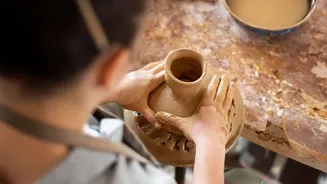
Creating a handmade pot is a far more complex process than many realise, a dance of earth, water, and fire that relies on ancestral knowledge. The entire process is reliant on natural raw materials. It begins with sourcing the right local clay, which is then kneaded to the perfect consistency to remove air bubbles. Using techniques like coiling, pinching, or throwing on a wheel, the potter shapes the vessel. This is followed by a careful drying process, which can be disrupted by something as simple as unseasonal rain. Finally, the piece is fired, often in traditional kilns where controlling the temperature is a skill in itself. Each step requires immense patience and expertise, resulting in subtle variations in texture and glaze that make every single piece unique—a hallmark of the artisan's touch rather than a machine's sterile perfection.
A Direct Economic Lifeline
When you buy directly from a local potter or a cooperative, your purchase has a much more significant impact than you might think. In conventional supply chains, middlemen often take a substantial cut, leaving the artisan with a meager profit for their intensive labour. Direct-to-consumer sales, whether at a local market or through online platforms championing artisans, ensure a fairer price and help them earn a sustainable livelihood. This financial support is not just about income; it's about dignity and recognition. It empowers potters to invest back into their craft—buying better tools, affording quality raw materials (as free sources like river clay become polluted), and supporting their families without being forced to migrate for other work.
Fueling a Cultural Renaissance
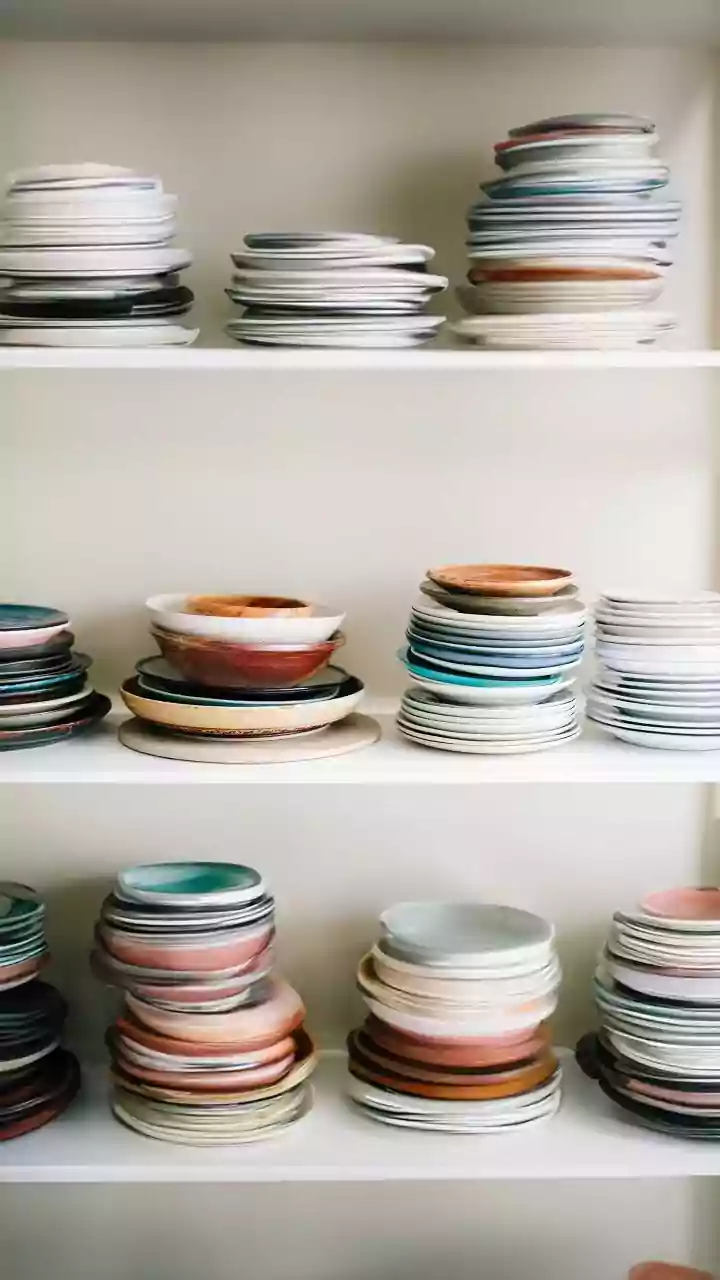
This shift towards appreciating handmade goods is more than just a trend; it's a cultural renaissance. As more consumers seek out decor that is authentic, sustainable, and tells a story, they are rediscovering the appeal of traditional crafts. This growing demand creates a powerful incentive for the craft to continue. When younger members of a potter's family see that the skill is valued and can provide a viable livelihood, they are more likely to learn the trade, ensuring these precious traditions don't fade away. Your choice sends a clear message: that this heritage matters. It helps transform a struggling artisan into a successful entrepreneur and a custodian of culture, bridging the past with the future.