


The Ancient Origins of a Beloved Dessert
Kheer, in its various forms like payasam and payesh, is one of the oldest desserts in the world, with a history stretching back over 2,000 years. [2, 4] The word 'kheer' itself is derived from the Sanskrit word 'kshira', which simply means milk. [18,
31] Its earliest mentions can be traced to ancient Indian texts, where it was often prepared as a sacred offering, or 'prasada', in temples. [2, 3] Some believe it first originated in the Lord Jagannath Temple in Odisha around two millennia ago. [3, 30] This simple combination of milk, a grain like rice, and a sweetener (like sugar or jaggery) evolved differently across the subcontinent, absorbing local ingredients and culinary traditions. [3, 12, 19] From royal kitchens of the Mughals, who enriched it with saffron and nuts, to humble family gatherings, kheer has remained a symbol of joy, prosperity, and comfort. [4, 6]
North India's Classic: Chawal Ki Kheer
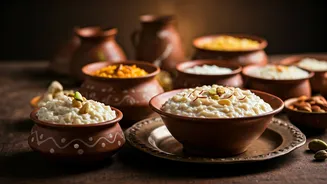
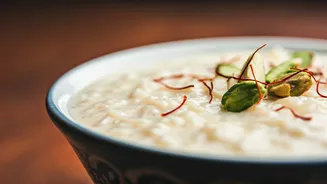
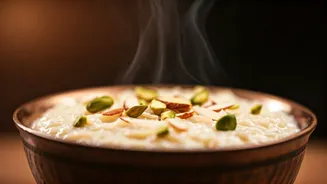
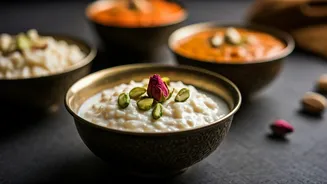
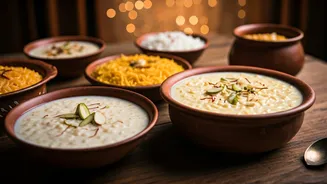
When most people think of kheer, it's the classic Chawal ki Kheer from North India that comes to mind. [19] Made by slow-cooking rice (often Basmati) in milk until it thickens into a creamy porridge, this version is the blueprint. [20, 18] It's delicately flavoured with green cardamom and saffron, which imparts a beautiful golden hue and fragrant aroma. [18, 30] Garnished with slivered almonds and pistachios, it's a staple at nearly every festival and celebration, from Diwali to family dinners. [6, 19] Its comforting warmth and gentle sweetness make it the quintessential Indian comfort food. [20]
South India's Nectar: Paal Payasam
Travel south, and you'll find 'payasam'. While the names are often used interchangeably, southern payasam has its own distinct character. [13, 22] Paal Payasam, especially famous in Tamil Nadu and Kerala, is a divine and minimalist version. [23] Often made with just rice, milk, sugar, and a generous amount of ghee, its magic lies in the slow-cooking process. Traditionally cooked in a heavy bronze vessel ('uruli'), the milk reduces and caramelises over hours, giving the payasam a naturally pinkish hue and a rich, unparalleled flavour. [22] It is a cornerstone of temple feasts and celebratory meals, especially during festivals like Onam and Vishu. [2, 22]
The Fasting Favourite: Sabudana Kheer
During religious fasting periods like Navratri, when grains are often avoided, Sabudana Kheer takes centre stage. [25, 27] Made from tapioca pearls (sago), this kheer has a unique and delightful texture. [27, 33] The small, chewy pearls become translucent when cooked in sweetened milk, creating a pudding that is both light and satisfying. [25] As sabudana is pure starch, it provides a quick burst of energy, making it ideal for days of fasting. [25, 29] Flavoured with cardamom and saffron, and often studded with cashews and raisins, it’s a creamy treat enjoyed by all ages, whether fasting or not. [27, 32]
The Hyderabadi Royal: Gil-e-Firdaus
From the royal kitchens of Hyderabad comes Gil-e-Firdaus, which translates to "clay of paradise." [8, 10] This regal dessert is a rich and complex medley of ingredients. [15, 17] It’s a luscious kheer made with grated bottle gourd (lauki), sago pearls (sabudana), and sometimes coarse rice paste, all simmered in thickened milk. [10, 14, 15] Often enriched with khoya (milk solids) or condensed milk, it has an incredibly creamy consistency. [10, 14] The name is a testament to its heavenly taste and the tradition of serving it in earthen bowls, which lend a unique, earthy aroma to the dessert. [10]
Bihar's Hidden Gem: Makhane ki Kheer
A specialty from the Mithila region of Bihar, Makhane ki Kheer is made with phool makhana, or fox nuts. [5] These puffed lotus seeds are low in fat and packed with nutrients. [7] To make the kheer, the makhana are lightly roasted in ghee until crunchy, then simmered in milk. [9, 11] Some of the nuts are crushed to thicken the kheer, while others are left whole, providing a wonderful textural contrast. [5, 11] This kheer is not overly sweet and has a unique, nutty flavour. It's a healthy yet indulgent dessert, often prepared during festivals and religious occasions. [9, 16]