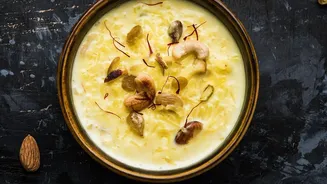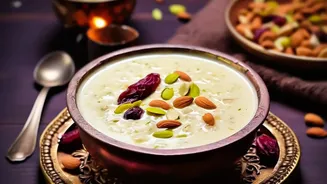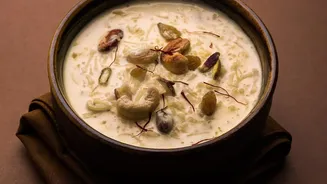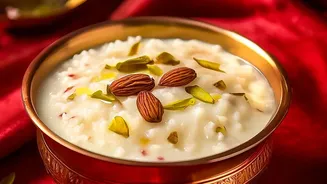

The Heart of the Kheer: Ingredients
This recipe relies on the pure, earthy sweetness of fresh sugarcane juice, which replaces refined sugar entirely. The quality of your ingredients will directly influence the final taste. For the best results, use fresh, pure sugarcane juice without any
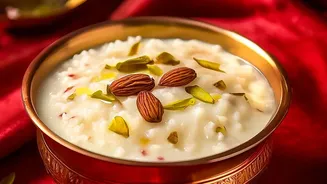
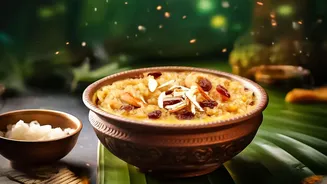
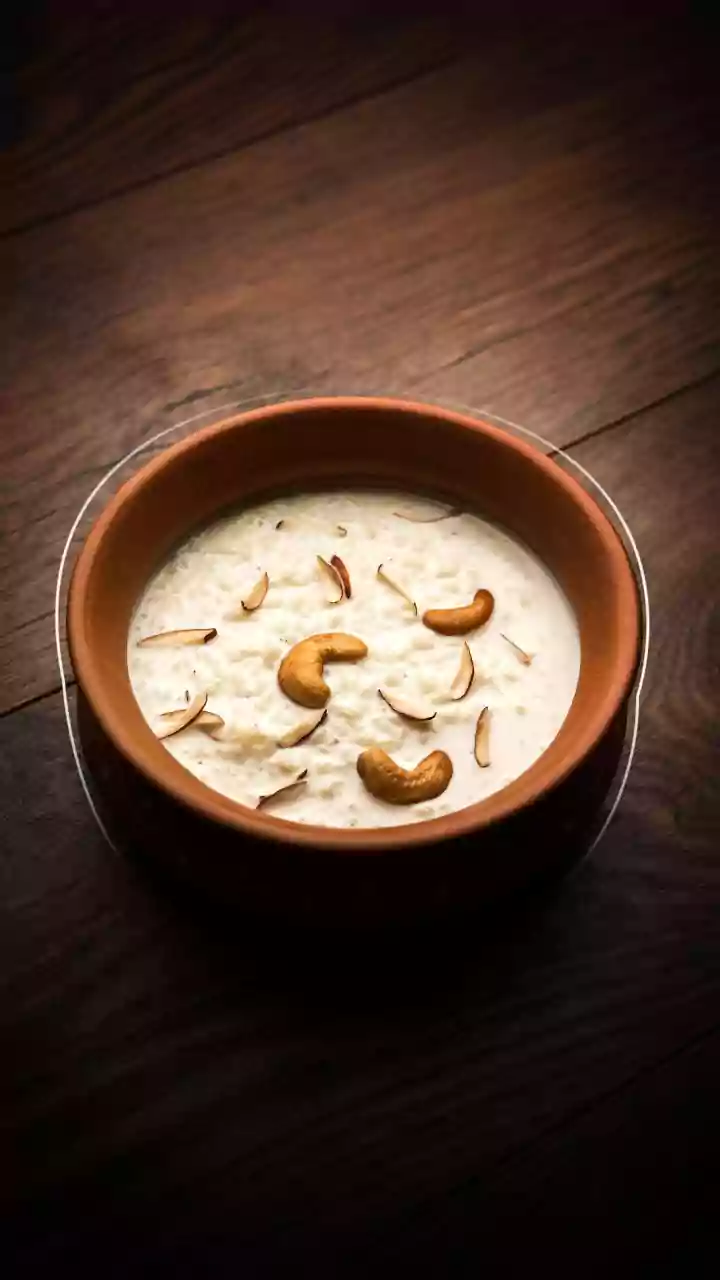
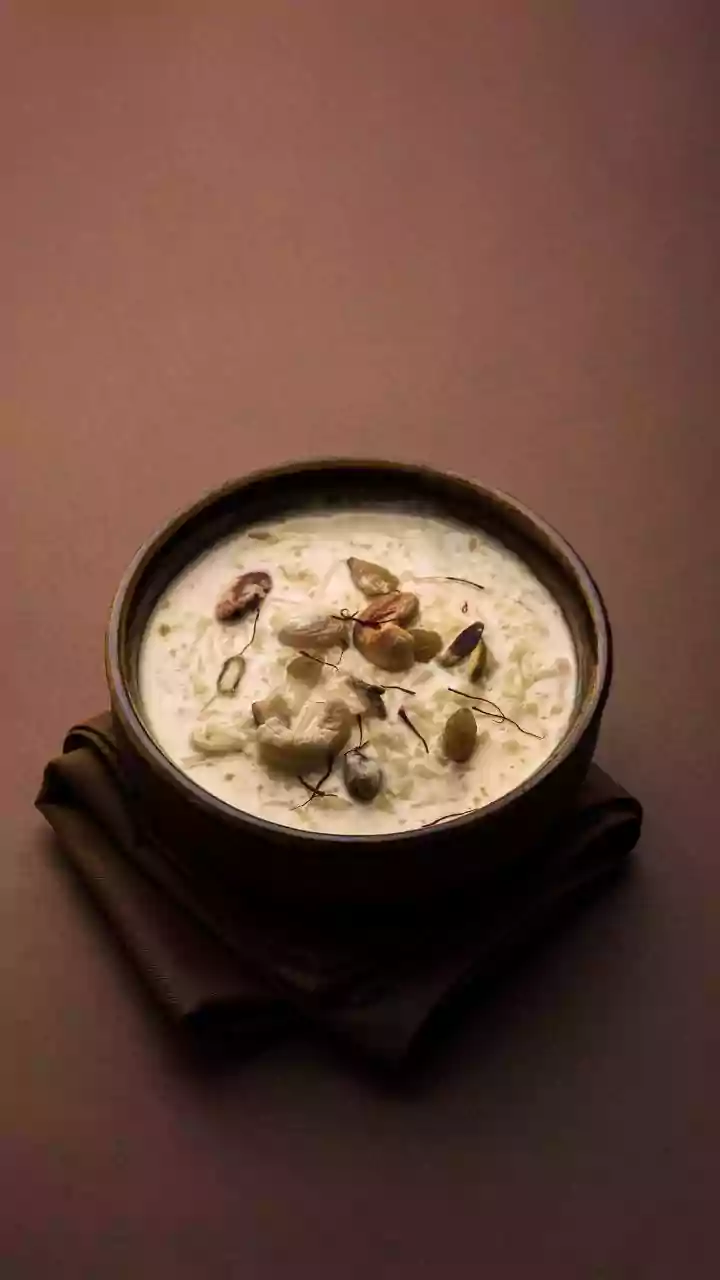
additives like lemon or ginger. While Basmati is a popular choice for its aroma, other short-grain rice varieties also work well. Here’s what you’ll need: Fresh Sugarcane Juice: 1 litre, strained Rice: ½ cup (about 100g), soaked for at least 30 minutes Full-Cream Milk: ½ litre (optional, for added creaminess) Green Cardamom Powder: ½ teaspoon Mixed Nuts: A handful of chopped almonds, cashews, and pistachios Ghee: 1 teaspoon, for roasting nuts (optional)
Crafting the Kheer: Step-by-Step
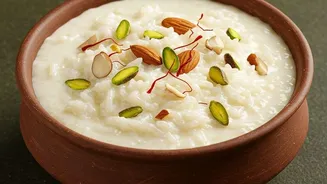
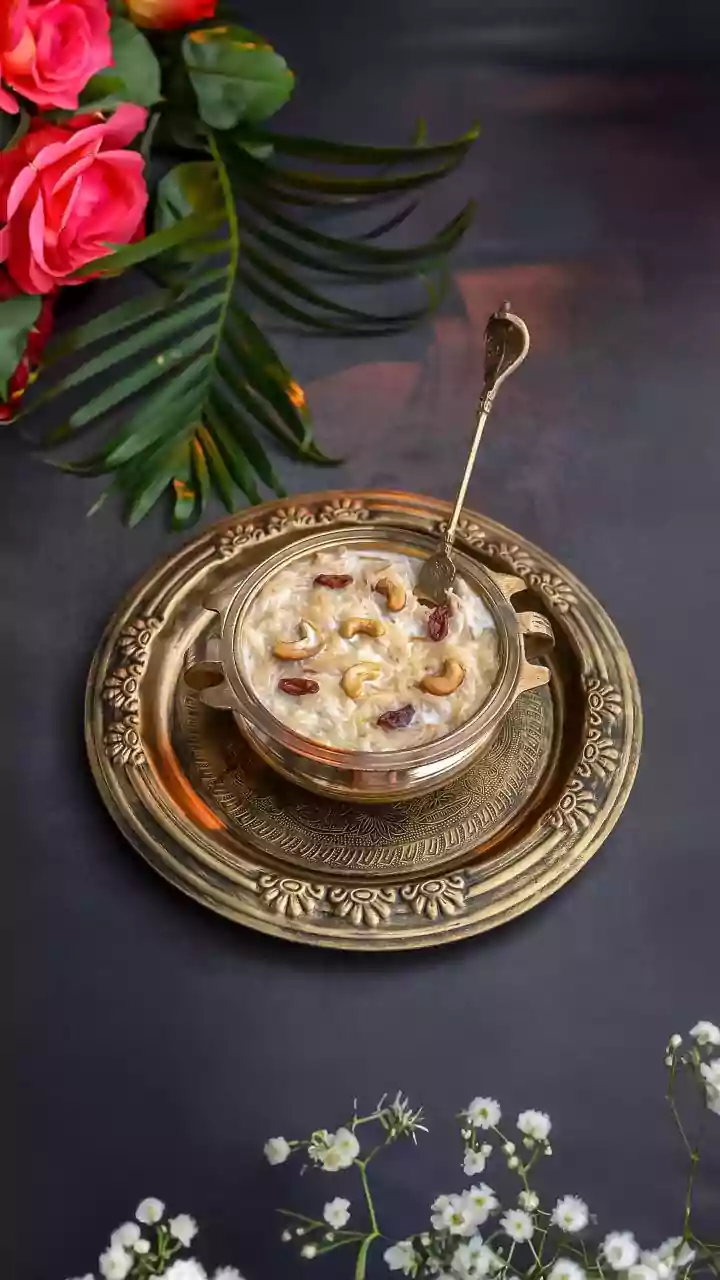
The process of making Ganne ki Kheer is a gentle simmer, allowing the rice to absorb the sweet juice and release its starch. Patience is key. First, bring the strained sugarcane juice to a boil in a heavy-bottomed pan. As it heats, scum will rise to the surface; it's important to skim this off to ensure the kheer doesn't turn dark. Once the juice is clear, drain the soaked rice and add it to the pan along with the cardamom powder. Cook this mixture on a low flame, stirring occasionally to prevent the rice from sticking. The rice should cook until it is completely soft and the mixture has thickened to a pudding-like consistency, which can take 20-30 minutes.
The Creamy Finish: Adding Milk and Nuts
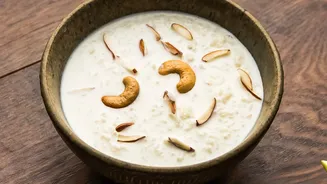
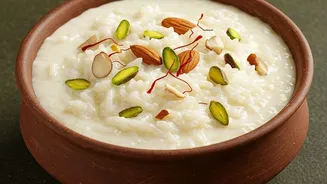
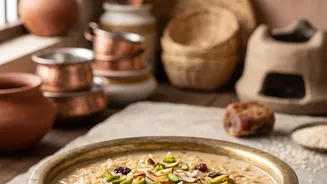
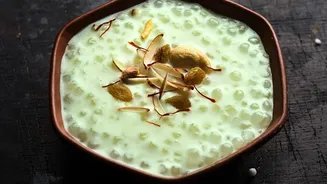
While some traditional recipes for 'Roh di Kheer' use only sugarcane juice, many variations incorporate milk for a richer, creamier texture that balances the intense sweetness. If you choose to add milk, there's one crucial rule: never add cold milk to hot sugarcane juice, as this can cause it to curdle. Instead, warm the milk separately. Once the rice is fully cooked in the sugarcane juice, you can slowly stir in the warm milk. Alternatively, some recipes cook the rice in milk first until soft, then gradually add warm sugarcane juice while stirring continuously on a low flame. For the final touch, lightly roast the chopped nuts in a teaspoon of ghee until golden and stir them into the kheer just before serving.
Tips for a Perfect Batch
Making Ganne ki Kheer is straightforward, but a few tips can elevate your dessert. Always use fresh sugarcane juice; avoid any that has additives like mint, ginger, or lemon, which are common at juice stalls but can interfere with the kheer's flavour and cause curdling. Skimming the impurities from the boiling juice is a vital step for a clean taste and pleasant colour. To prevent the milk from curdling, ensure it's added warm and only after the rice is substantially cooked. Some cooks also suggest adding a pinch of rock salt to enhance the overall flavour profile.
Serving and Storing Your Kheer
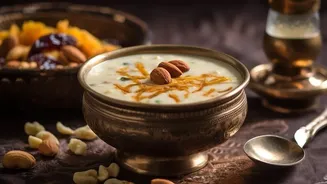
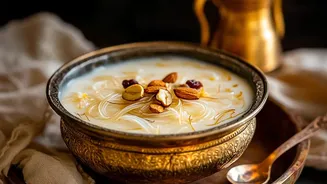
Ganne ki Kheer is versatile and can be enjoyed either warm on a cool evening or chilled as a refreshing dessert. The flavour deepens as it cools. Some traditions even involve preparing the kheer on the night of Lohri and enjoying it cold for breakfast the next day, a practice known as 'Poh ridhi, Magh khadi'. Store any leftovers in an airtight container in the refrigerator for up to two days. The kheer will thicken as it chills; you can add a splash of warm milk to loosen it before serving, if desired.