


The Age of the Instagram Trail
For years, the Indian trekking scene has been dominated by a checklist of picturesque, social-media-friendly destinations. Trails like Triund near McLeod Ganj, Kheerganga in Parvati Valley, and Prashar Lake in Mandi became rites of passage, not just for
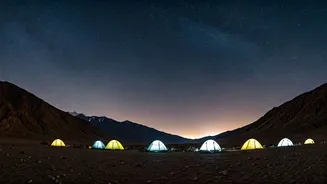
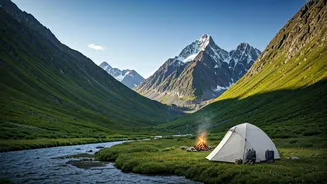
their beauty, but for their photogenic potential. The goal was often twofold: experience the mountains and capture the perfect shot to prove it. This pursuit of the ‘clear sky’—a metaphor for the flawless, shareable moment—led to long queues on narrow paths, campsites overflowing with tents, and a sense of wilderness lost to weekend crowds. The very thing people sought to escape—the noise and the crowds—was what they found waiting for them at the summit.
The Kinnaur Counter-Narrative
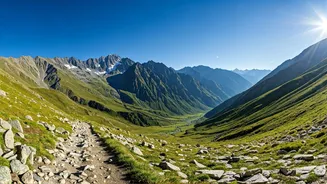
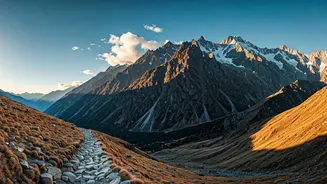
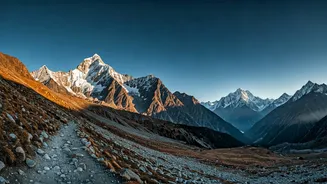
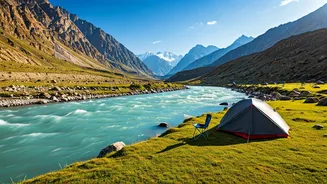
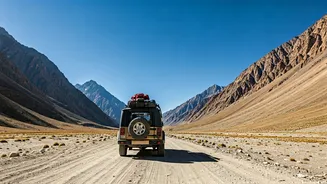
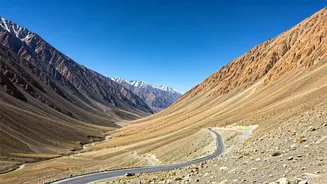
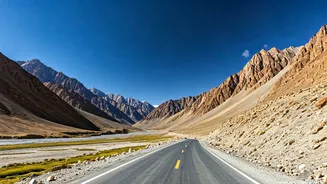
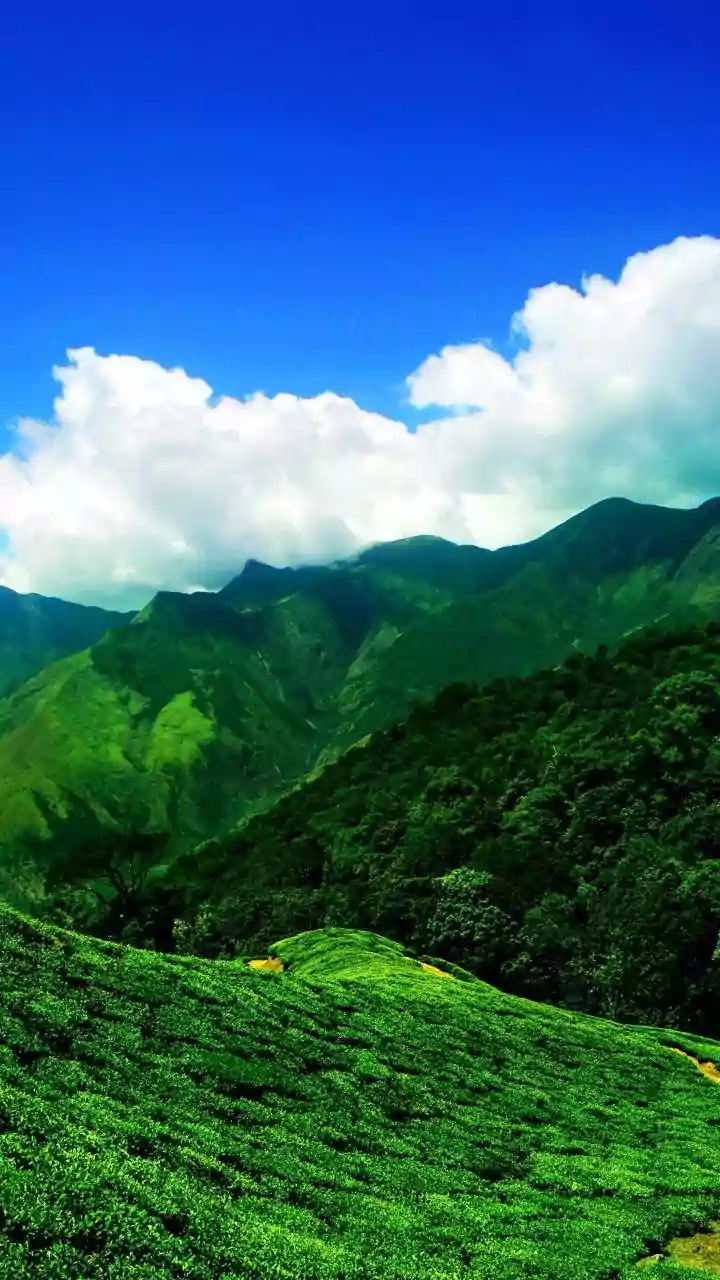
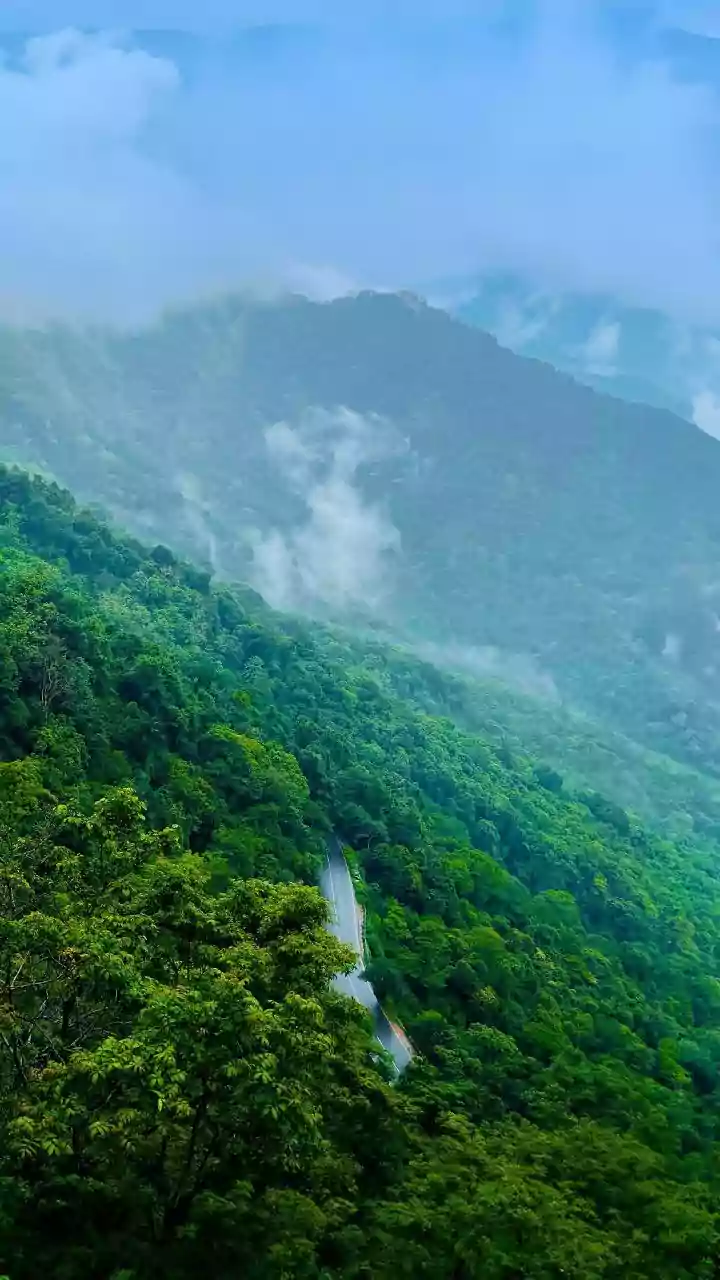
In response, a quiet rebellion is underway. Experienced hikers and those yearning for genuine solitude are turning their backs on the congested 'highlight' reels. They are heading deeper, towards regions like Kinnaur in Himachal Pradesh. What they’re discovering is a land of dramatic contrasts. The district straddles a climatic divide. Its lower reaches, like the verdant Sangla Valley, are lush and green, catching the edge of the monsoon. But as one travels further east towards the Tibetan border, the landscape transforms. The great Himalayan range casts a long 'rain shadow', creating a high-altitude cold desert environment, much like neighbouring Spiti and Ladakh. It is in this stark, beautiful, and often-overlooked region that the 'shadow trails' are found.
What are 'Shadow Trails'?
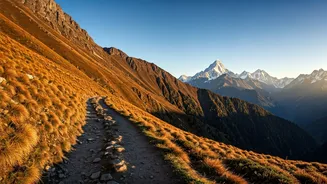
The term 'shadow trails' is a poetic descriptor for the lesser-known, less-documented treks in Kinnaur’s rain shadow area. These aren't necessarily official, signposted routes. They are often old shepherd paths, trade routes, or pilgrimage tracks connecting remote villages like Nako, Chango, or Charang. Because this region receives minimal rainfall even during the peak monsoon months (July-August), it offers a unique proposition: the chance for clear skies and dry trekking conditions when most other Himalayan regions are drenched and closed. Treks like the path to the Sorong Ghati or explorations around the Ropa Valley offer this unique advantage. They promise solitude not because they are secret, but because they demand more—more planning, more resilience, and a willingness to trade convenience for authenticity.
A Shift in the Hiker's Mindset
The migration to Kinnaur's shadow trails signifies a profound shift in the trekking ethos. The new currency isn't the number of 'likes' on a photo, but the quality of the silence. It’s about trading the comfort of a pre-booked, all-inclusive package for the challenge of navigating with a local guide and staying in a village homestay. These hikers are not just chasing clear weather; they are chasing a connection. They want to witness the unique blend of Hinduism and Tibetan Buddhism that defines Kinnaur's culture, listen to stories from villagers in a language they may not understand, and feel the raw, unfiltered power of a landscape that is both harsh and breathtakingly beautiful. The reward is not an easy summit but a difficult, earned experience that lingers long after the muscle ache fades.
The Responsibility of Discovery
With discovery, however, comes responsibility. The very solitude and pristine nature that make these shadow trails so appealing are fragile. As word spreads, there is a risk that these hidden corners could eventually suffer the same fate as the trails hikers are fleeing from. The pioneers of this trend have a duty to tread lightly. This means adhering strictly to 'Leave No Trace' principles, hiring local guides and porters to ensure money flows into the community, respecting local customs, and resisting the urge to geotag every remote location. The challenge is to keep these places special by treating them with reverence, ensuring that the shadows of Kinnaur remain a sanctuary for those who seek them, not just another pin on a digital map.