





The Initial Financial Hit: Upfront Costs
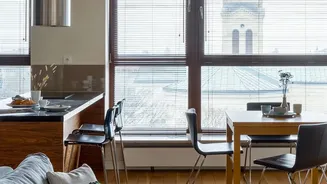
The most immediate difference between renting and buying is the upfront cash required. Purchasing even basic furniture for a 1BHK apartment can cost anywhere from ₹2 lakh to ₹5 lakh, depending on quality and scope. This includes major items like a bed,
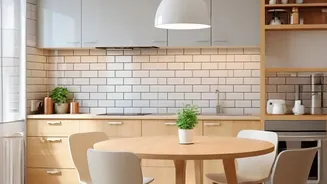
wardrobe, sofa, and dining set. For many young professionals, this is a significant capital outlay, especially after paying a security deposit and brokerage for a new flat. In contrast, renting furniture requires a much smaller initial payment. Most rental companies, such as Furlenco and RentoMojo, charge a refundable security deposit (often equivalent to one or two months' rent) and the first month's rental fee. A complete 1BHK furniture package can be rented for a monthly fee, making it far more accessible if you want to keep your savings liquid for other priorities.
The Break-Even Point: When Renting Becomes More Expensive
Renting is cheaper in the short term, but there is a clear crossover point where buying becomes the more economical choice. Most analyses show that this break-even point typically arrives after about two to three years of renting the same items. For example, renting a full living room set might cost between ₹3,000 and ₹8,000 per month. Over two years, this amounts to ₹72,000 to ₹1,92,000. Buying a comparable set could cost between ₹80,000 and ₹2,00,000. While the initial purchase price is high, you own an asset at the end. When you rent, you are left with nothing. The calculation becomes even more favourable for buying if you plan to stay in one place for more than three years, as the cumulative rental payments will significantly exceed the purchase price.
Flexibility vs. Permanence
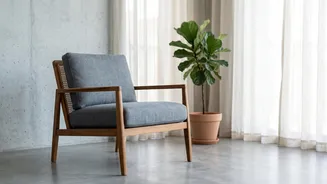
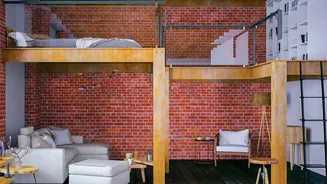
For many young city professionals, a career path involves moving cities every few years. In this scenario, renting offers unparalleled flexibility. Rental services often include free relocation, maintenance, and the ability to swap or upgrade items as your tastes change or your needs evolve. There is no hassle of selling furniture at a significant loss—used furniture can depreciate by 40-60% within two years—or paying hefty fees to movers. Buying, on the other hand, offers permanence and the pride of ownership. You can choose pieces that perfectly match your aesthetic without being limited to a rental company's catalogue. You build equity in your belongings and have the freedom to modify or customize them. This path is better suited for those who are confident about staying in a city for the long haul and want to build a home that is truly their own.
Hidden Costs and Considerations
When buying, the sticker price isn't the final cost. You must account for delivery charges, assembly fees, and potential repair costs down the line. Selling the furniture later also involves effort and often yields a low resale value. Renting isn't without its own potential hidden costs. Some companies may charge for delivery, early termination of your contract, or for damages beyond normal wear and tear. It's crucial to read the terms and conditions carefully, especially regarding penalties for early closure and damage policies. However, many major platforms now include free maintenance and damage waivers, which adds to their appeal.
The Verdict: Which Path Is for You?
The decision ultimately hinges on your personal and professional timeline. Renting is the clear winner if: - You expect to move cities within the next one to three years. - You value flexibility and want to avoid the hassle of maintenance and resale. - Your budget is tight, and you prefer a predictable, low monthly outgo over a large upfront investment. Buying makes more sense if: - You plan to stay in your current city for more than three years. - You have the upfront capital and want to build long-term assets. - You value customization and want complete control over your home's aesthetic.