





The End of the 'Health Halo'
India's food regulator, the Food Safety and Standards Authority of India (FSSAI), has recently intensified its efforts against deceptive packaging. In July 2026, it issued notices to several food companies for making claims that could mislead consumers
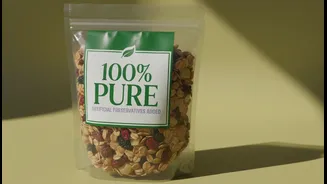
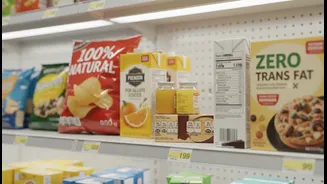
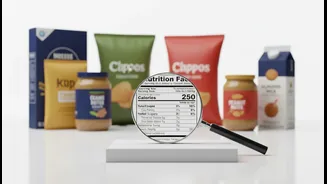
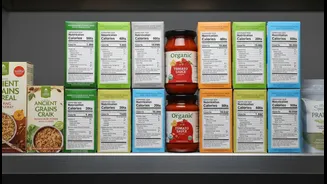
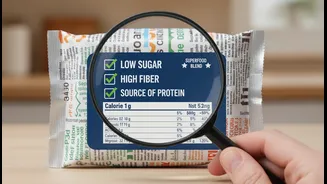
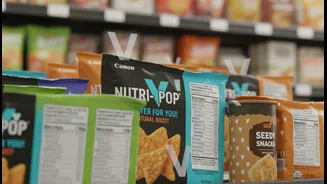
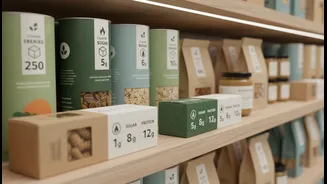
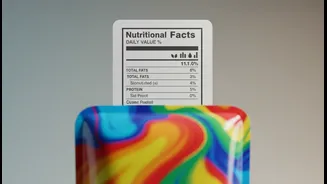
about what's inside the pack. This includes products advertised as "100% Natural" despite containing preservatives and artificial flavours, or fruit-flavoured candies with no actual fruit. The crackdown is part of a broader push for transparency, which includes the proposed introduction of Front-of-Pack Labelling (FOPL). This system, similar to the star ratings on appliances, aims to give consumers a quick, at-a-glance summary of a product's healthfulness, highlighting high levels of sugar, salt, and fat. The goal is to puncture the "health halo" that brands create with appealing words, forcing a clearer connection between the claims on the front and the ingredient list on the back.
The Most Powerful Word in Food Marketing
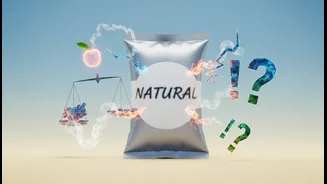
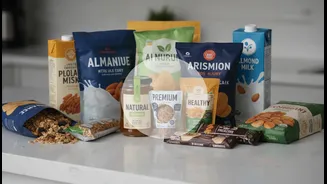
While holding companies accountable for false claims about ingredients is a crucial step, the regulatory framework still struggles with a more nuanced challenge: the term 'natural'. It's a word that carries immense weight with shoppers, suggesting purity, simplicity, and healthfulness. Yet, its definition remains murky. According to older FSSAI regulations, the word can only be used for food derived from a plant, animal, or mineral, with no added external ingredients. The product should not be processed in a way that alters its basic characteristics. However, recent crackdowns show companies using the term alongside lists of synthetic ingredients, confusing consumers. For instance, a notice was issued to a company for a 'vegan hazelnut chocolate spread' that made claims of being 'All Natural' and '100% Organic' which came under scrutiny. This ambiguity is the marketing department's best friend and the consumer's worst enemy.
A Vague Standard Is No Standard at All
The core of the problem is that while FSSAI has guidelines, the enforcement and interpretation of what constitutes 'natural' can be inconsistent. Regulations from 2018 stated that brands using terms like 'natural' in their trademark must include a disclaimer that it “does not represent its true nature.” But this doesn't fully solve the problem of perception. When a consumer sees 'natural' on a package, they are unlikely to be swayed by fine print. They infer a level of quality that may not exist. The current regulations prohibit products from being called 'natural' if they contain additives or artificial flavours, but the definition of what counts as a substantial alteration during processing remains open to interpretation. This loophole allows heavily processed foods, far removed from their original state, to hint at a natural origin, misleading well-intentioned buyers.
Why a Clear Definition for 'Natural' is the Next Frontier
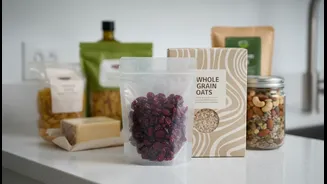
The push for FOPL and the recent notices are commendable efforts to empower consumers against high-sugar and high-fat products. But this is only half the battle. The other half is fighting for ingredient authenticity and minimal processing. A stricter, legally codified definition of 'natural' is essential. This isn't just about preventing false advertising; it's about shifting the food industry toward healthier, less processed formulations. If 'natural' meant a product was free from synthetic additives, made from recognisable ingredients, and only minimally processed, it would give brands a real incentive to clean up their ingredient lists. It would create a clear distinction between foods that are truly close to their origin and those that are complex industrial concoctions masquerading as wholesome. Consumers are already seeking this, and a clear standard would help them find it, rewarding honest producers in the process.