


Embrace Strategic Ventilation
Good airflow is your first line of defence against humidity. While it seems counterintuitive to open windows during the rainy season, you can do it strategically. When it's not actively raining and the outside air feels drier, open windows on opposite
sides of your home to create a cross-breeze. This pushes out the damp, stagnant air that builds up indoors. However, be sure to keep windows and doors shut when it is raining or particularly humid outside to prevent more moisture from entering. Running ceiling fans, even on a low setting, also helps circulate air and prevents moisture from settling in one spot.
Harness the Power of Exhaust Fans
Your kitchen and bathrooms are major sources of indoor humidity from activities like cooking and showering. Make it a habit to always use the exhaust fan when you cook or take a hot shower. Let the fan run for about 15-20 minutes after you’re done to effectively pull the steamy, moist air out of the room before it can spread to the rest of the house. If you don’t have exhaust fans, cracking open a window can help, but a dedicated fan that vents outside is the most effective solution for these high-moisture zones.
Utilise Natural Moisture Absorbers
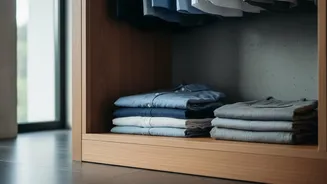
For an inexpensive and effective way to tackle humidity in smaller, enclosed spaces like closets and cabinets, turn to natural desiccants. A simple bowl of rock salt or baking soda can passively absorb moisture from the air. Charcoal briquettes are another excellent option; they are highly porous and known for absorbing both moisture and odours. Place a few pieces in a small box or container in damp corners. As these materials absorb moisture, they will harden or become damp, so remember to replace them every few weeks for the best results.
Be Smart About Indoor Laundry
Drying wet clothes indoors can dramatically increase the humidity level in a room, essentially turning it into a steam room as the water evaporates. If you must dry laundry inside, choose a single, well-ventilated room and keep the door closed to contain the moisture. Open a window and use a fan to speed up the drying process and direct the damp air outside. Whenever possible, the best solution is to dry clothes outdoors on a balcony or use a vented dryer.
Consider a Dehumidifier
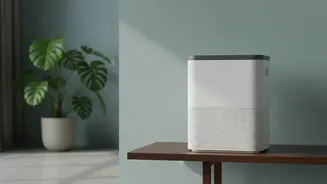
For homes in extremely humid climates or rooms that are persistently damp, a mechanical dehumidifier is one of the most effective tools available. These appliances work by pulling in air, cooling it to condense the moisture, and collecting the water in a reservoir. Running a dehumidifier can help maintain the ideal indoor humidity level, which experts suggest should be between 30% and 50%. This not only improves comfort but also inhibits the growth of mould and dust mites, which thrive in humid conditions.
Check for Leaks and Seal Gaps
Excess moisture can also come from hidden sources. Regularly inspect your home for any leaks in plumbing under sinks, around toilets, or from the roof. Even a small, slow drip can contribute to the overall humidity. Additionally, check for gaps around windows and doors where humid outdoor air might be seeping in. Sealing these cracks with weatherstripping can make a significant difference in keeping your indoor environment dry and comfortable during the wettest months of the year.