
More Than Just a Meal
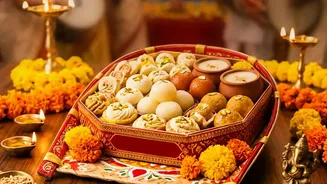
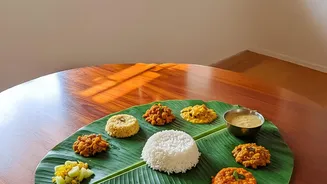
To understand the magic of this plate, one must first understand the concept of 'bhog'. It's a food offering made to the deity, prepared with immense care and devotion. What makes it truly special is that it's cooked without onions or garlic, following
'niramish' or sattvic principles, which emphasize purity. This sacred meal is first offered to Goddess Durga and then distributed as 'prasad' to everyone present, regardless of their background. In this act of sharing, the bhog transcends food, becoming a symbol of equality and togetherness that lies at the heart of the festival. It’s a moment where social barriers dissolve, and everyone partakes in the goddess's blessings.
The Heart of the Bhog: Khichuri
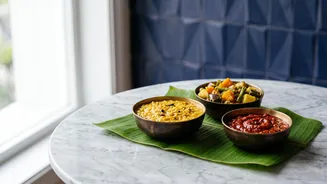
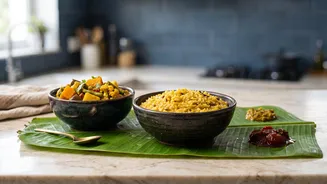
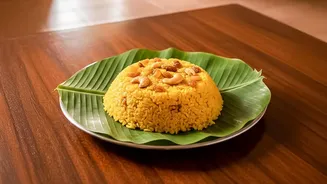
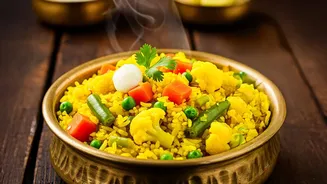
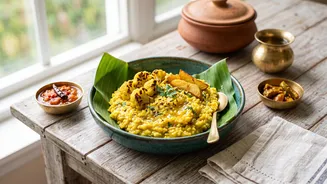
At the centre of this divine platter is the bhoger khichuri. This isn't just any khichdi; it's a fragrant, wholesome preparation that embodies the spirit of the puja. Traditionally made with aromatic Gobindobhog rice and roasted moong dal, it has a unique nutty flavour and creamy texture. The rice and dal are slow-cooked with simple vegetables like potatoes, cauliflower, and green peas, and seasoned with a handful of spices like ginger, cumin, and bay leaves. The result is a one-pot meal that is both deeply nourishing and easy to digest, representing simplicity and purity. It's a dish that, according to lore, even Maa Durga cooked, cementing its divine connection.
The Perfect Companion: Labra
No bhoger khichuri is complete without its faithful companion, labra. This mixed vegetable dish is a celebration of seasonal produce and represents gratitude for nature's abundance. A medley of vegetables like pumpkin, sweet potato, eggplant, radish, and raw banana are cooked together in mustard oil and tempered with panch phoron, the quintessential Bengali five-spice blend. The beauty of labra lies in how the distinct flavours of the different vegetables meld into a harmonious whole, creating a dish that is slightly sweet, savoury, and perfectly spiced. It's a culinary representation of unity in diversity, much like the community that gathers to share it.
The Finishing Touch: Sweet and Tangy Chutney
Completing the holy trinity is a sweet and tangy tomato chutney. Served at the end of the meal, often with a crispy papad, this chutney acts as a delightful palate cleanser. It's typically made from ripe tomatoes, and often includes dates (khejur) and mango leather (aamshotto) for extra depth and sweetness. Tempered with panch phoron and dry red chillies in mustard oil, its sweet and sour notes perfectly cut through the richness of the khichuri and labra. This final flourish balances the entire meal, leaving a lingering taste of festive joy long after the last bite.
A Taste of Nostalgia and Togetherness
Ultimately, the comfort offered by this meal is rooted in emotion and memory. For many, the taste of bhoger khichuri is inextricably linked to childhood, to the excitement of pandal hopping, and the warmth of sharing a meal with friends and family. It’s a flavour that connects generations and brings back fond memories of pujas past. The act of sitting together on the floor of a pandal, eating from a simple plate, fosters a profound sense of community and belonging. It's a reminder that the simplest things—a humble meal shared with love and devotion—often provide the deepest sense of comfort and nourishment for the soul.