
Ladakh: The High-Altitude Desert Escape
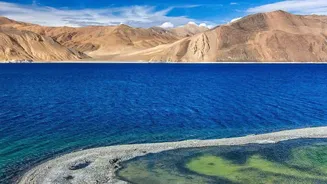
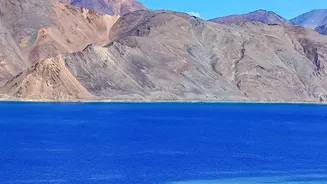
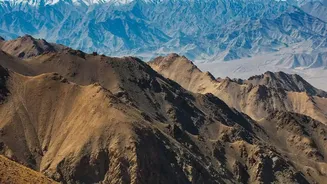
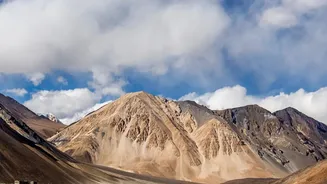
While the rest of India embraces the downpour, Ladakh remains a sunny sanctuary. Situated in the rain shadow of the Himalayas, this high-altitude desert receives minimal rainfall during the monsoon months of July and August, making it a prime destination
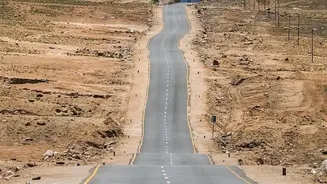
for those seeking adventure under clear skies. The primary challenge isn’t the weather in Ladakh itself, but getting there. The highways from Manali and Srinagar pass through regions receiving heavy monsoon rains, leading to potential landslides and roadblocks. Travellers must factor in buffer days for these journeys. Once in Ladakh, however, the internal roads to popular spots like Pangong Lake and Nubra Valley are generally open. Planning for Ladakh means packing layers for cold, dry weather, preparing for high altitude, and maintaining a flexible road itinerary. Flying into Leh is a popular alternative to avoid road uncertainties.
Kerala: Embracing the Full Monsoon Glory
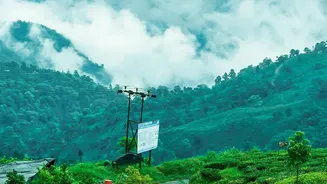
In Kerala, the monsoon is not an inconvenience; it's the main event. From June to September, the state transforms into a lush, emerald paradise. The southwest monsoon brings heavy, frequent showers that rejuvenate the landscape, making waterfalls like Athirappilly roar to life and the famous backwaters swell with fresh water. This is not the time for beach holidays, as the seas are rough and swimming is prohibited. Instead, the season is ideal for those seeking a slower, more atmospheric experience. It’s traditionally the best time for Ayurvedic treatments, as the cool, moist air is believed to enhance the therapies. Planning for Kerala involves packing waterproof gear, being prepared for travel delays on slick hill roads, and embracing the romance of the rain. It's a time for quiet moments, enjoying the scenery from a cozy houseboat, or indulging in wellness.
Goa: The Quiet, Green Transformation
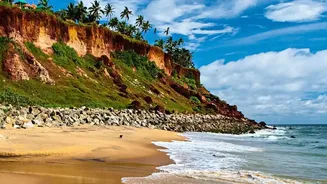
Monsoon Goa is a world away from its bustling peak-season persona. The legendary nightlife quiets down, most temporary beach shacks are dismantled, and water sports are suspended due to rough seas. But what you get in return is a tranquil, verdant coastal retreat at a fraction of the price. The state’s countryside and hills burst into vibrant green, and waterfalls like Dudhsagar become spectacular sights. While swimming is off-limits, the beaches become serene and perfect for long, quiet walks under dramatic grey skies. Many permanent restaurants and cafes remain open, offering a chance to savour Goan cuisine without the crowds. Planning for Goa in the monsoon means adjusting your expectations. It’s for travellers who love nature, enjoy peaceful drives through green landscapes, and prefer the sound of rain to loud music. Pack a raincoat, and be prepared for a more relaxed and introspective Goan experience.
Your Monsoon Plan at a Glance
To put it simply, your monsoon travel strategy depends entirely on the experience you seek. For Ladakh, the goal is to navigate the tricky approach roads to enjoy a dry, sunny holiday in the mountains. Your biggest challenge is potential landslides on the highways leading there. For Kerala, the plan is to fully immerse yourself in the rainy season. This means scheduling activities like backwater cruises and Ayurvedic treatments that are enhanced by the wet weather, while being cautious of heavy downpours and slippery roads in the hill stations. For Goa, the key is to embrace the off-season vibe. Plan for scenic drives, exploring waterfalls, and enjoying the peace and quiet of less-crowded beaches and restaurants, all while saving money.