



The Magic of Fermentation
The secret behind the health boost in many traditional Indian pickles lies in lacto-fermentation. This is the age-old process where vegetables or fruits are preserved in a salt brine, without vinegar or heat. During this process, beneficial bacteria,
such as Lactobacillus, convert natural sugars into lactic acid. This not only preserves the pickle but also creates a food rich in probiotics, the 'good' bacteria crucial for gut health. Importantly, this fermentation process can significantly increase the antioxidant capacity of the food. It works by breaking down plant cell walls, which helps release and synthesize various antioxidant compounds, making them more available for your body to absorb. Most commercial, shelf-stable pickles use vinegar and pasteurisation, which kills these beneficial live cultures, so they don't offer the same probiotic or enhanced antioxidant benefits.
A Treasure Trove of Antioxidants
So, what are antioxidants? Think of them as your body's personal defence squad against 'free radicals'—unstable molecules that can cause cell damage, a process known as oxidative stress. This damage is linked to chronic diseases and ageing. Traditional pickles are a surprising source of these protective compounds. The fermentation process itself can produce new antioxidants and increase the levels of existing ones like phenols and flavonoids. This enhancement means that fermented vegetables often have a greater antioxidant capacity compared to their raw counterparts. These antioxidants help protect cells from damage, support the immune system, and fight inflammation.
Power-Packed Indian Ingredients
Indian pickles are not just about the main ingredient; they are a symphony of spices, each adding its own layer of health benefits. Turmeric, a staple in almost every 'achar', contains curcumin, a powerful anti-inflammatory and antioxidant compound. Fenugreek (methi) seeds, known to help regulate blood sugar, are also loaded with fibre and antioxidants. Mustard seeds, which give many pickles their pungent kick, are another great source of antioxidants and have antibacterial properties. Spices like asafoetida (hing) and fennel (saunf) aid digestion, while garlic is known for its antimicrobial and heart-health benefits. Even the raw ingredients, like unripe mangoes, amla (Indian gooseberry), and lemons, are rich in vitamins and antioxidants to begin with.
Spotlight on Regional Favourites
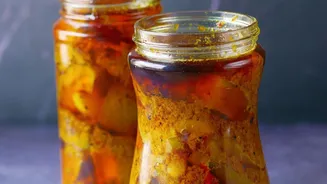
Different regional pickles offer their own unique nutritional profiles. Amla pickle is a powerhouse of Vitamin C, a potent antioxidant that boosts immunity and is vital for skin and hair health. Because it is so rich in antioxidants, amla is often used to help the body fight infections and reduce inflammation. The humble lemon pickle, or 'nimbu ka achar', is also an excellent source of Vitamin C and helps stimulate digestive enzymes. Mango pickle, a universal favourite, is typically loaded with Vitamins A and C from the fruit, plus the antioxidant benefits of the spices it's marinated in. These pickles are more than just condiments; they are a delicious way to consume a concentrated dose of nutrients.
A Note on Daily Consumption
While the benefits are clear, the suggestion to have pickles 'daily' comes with a major caution: sodium. Salt is a crucial part of the pickling process, for both preservation and flavour. Consequently, pickles are very high in sodium. A diet high in sodium is linked to high blood pressure, which increases the risk of heart disease and kidney problems. Some pickles, particularly sweet varieties, can also contain added sugar. Therefore, moderation is essential. Enjoying a small piece of traditional, low-oil, fermented pickle with your meals can be a healthy practice, but it shouldn't be consumed in large quantities. Think of it as a flavourful, nutrient-dense supplement rather than a main dish.