




Why A Priority Plan Matters
When facing a storm, time is of the essence. Trying to secure every single pot, vine, and sapling can be an impossible task, leading to exhaustion and haphazard results. A strategic approach that prioritises the most vulnerable members of your garden
is far more effective. By focusing your energy on plants that are tall, have weak stems, or are in exposed locations, you significantly reduce the risk of major damage. These are the plants most likely to snap, topple, or be uprooted. Securing them first ensures your most dramatic and often most cherished plants have the best chance of survival, leaving you time to take general precautions for the rest of your green space.
Identifying Your 'At-Risk' Roster
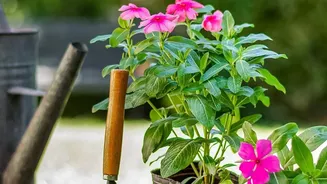
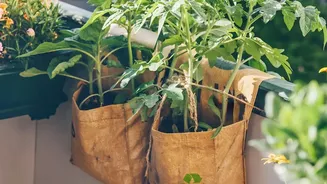
Before you can protect them, you need to know which plants are on the high-risk list. Take a walk through your garden and identify them. Tall plants include species like sunflowers, delphiniums, canna lilies, and even young trees or banana plants that can act like sails in the wind. Weak-stemmed plants are those with soft, fleshy, or vining growth that can easily break, such as tomatoes, cucumbers, dahlias, money plants, and many flowering creepers like bougainvillea. Exposed plants are those at risk due to their location. This includes anything on a rooftop, an open balcony, hanging baskets, or lightweight pots placed in unsheltered areas that can be battered by wind from all sides.
Supporting the Giants and the Delicate
For tall and weak-stemmed plants, structural support is your best defense. Staking is a classic and effective method. For single-stem plants like zinnias or tomatoes, a single bamboo or metal stake pushed firmly into the ground will do. For best results, install the stake when you plant or well before a storm hits to avoid damaging the roots. Tie the plant loosely to the stake using soft twine or fabric strips in a figure-of-eight loop to allow movement without cutting into the stem. For bushier plants or vegetables like beans and peas, creating a trellis or using a tomato cage provides a sturdier frame. A light pruning of dense foliage on taller shrubs can also help by reducing wind resistance.
Managing the Exposure Factor
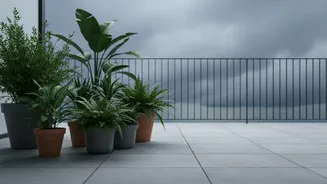
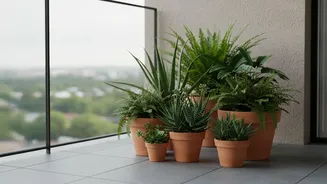
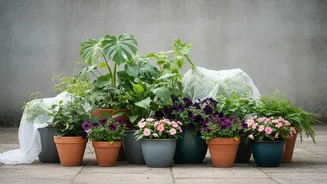
Plants in exposed locations face a double threat from wind and rain. The most effective action here is relocation. Move potted plants, especially those in lightweight plastic containers, indoors or to a sheltered spot like a garage, a covered verandah, or against a solid wall. If you have many pots, grouping them together on the floor can create collective stability and reduce the chance of them toppling. Hanging baskets should be taken down and placed on the ground in a protected area. For balcony and terrace gardens, this step is non-negotiable, as falling pots pose a significant safety hazard in addition to the loss of your plants.
General Fortification for Your Garden
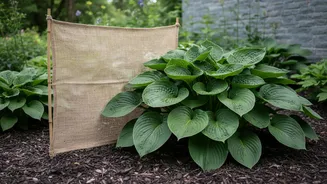
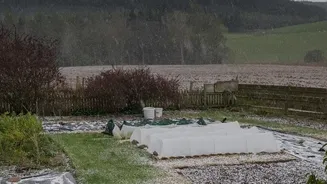
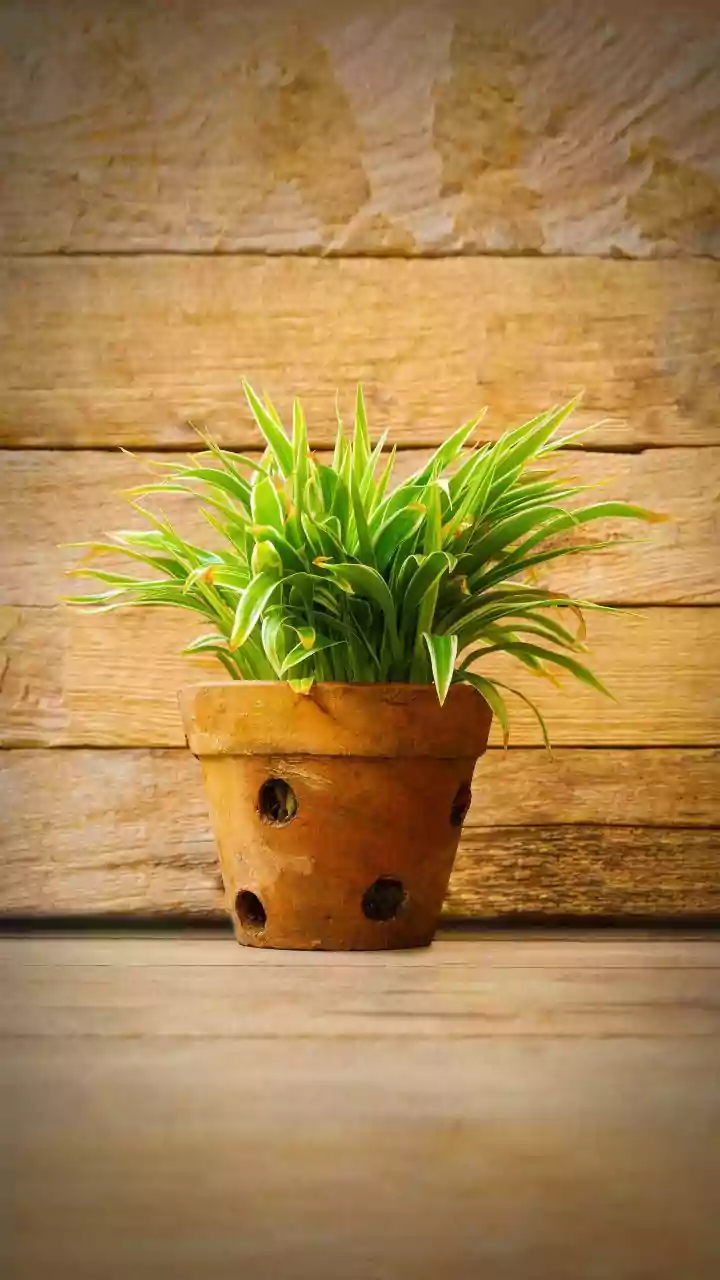
Once your priority plants are secure, turn your attention to the rest of the garden. Check that all your pots have clear drainage holes and consider lifting them onto bricks or pot feet to prevent waterlogging, which can lead to root rot. Applying a layer of mulch, like wood chips or dry leaves, can protect the soil from being washed away and prevent soil-borne diseases from splashing onto leaves. Secure any loose items in your garden—tools, empty pots, furniture—as these can become dangerous projectiles in high winds. Finally, take a quick look at your garden beds and create shallow channels to direct excess water away from plant bases if you notice puddling.
After the Storm Passes
Once the weather has calmed, it's time to assess the damage. Don't be too quick to give up on plants that look battered. Gently upright any plants that have been pushed over and provide them with support if needed. Prune away any broken or snapped branches cleanly to prevent disease from entering the wounds. Check the soil; if it is waterlogged, avoid watering for a few days and aerate the surface gently to help it dry out. If heavy rains have washed away topsoil or mulch, replenish it to protect the roots. Many plants are resilient and, with a little care, will recover quickly from the stress of a storm.