

Food waste is a global issue, but the solutions can be surprisingly local. In many Indian kitchens, a culture of resourcefulness has led to simple yet powerful methods for preserving fresh produce that you can easily adopt at home.
Embrace the ‘Root to Leaf’ Philosophy
A core principle in many
traditional Indian kitchens is using every part of the vegetable. Instead of tossing them, cauliflower stems and leaves are chopped and added to curries, radish and beetroot leaves are turned into stir-fries, and carrot tops can be blended into sauces. This 'root to leaf' approach isn't just about reducing waste; it’s about maximizing flavor and nutrition. Many parts of vegetables that are commonly discarded are packed with nutrients and offer unique textures and tastes. Before you toss that stem or peel, a quick search might reveal a delicious new way to use it.
Turn Scraps into a Flavorful Stock
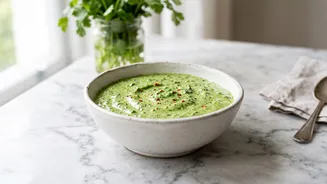
One of the most effective ways to use unavoidable scraps is to create a vegetable stock. Keep a bag or box in your freezer for clean vegetable trimmings like onion ends, carrot peels, tomato cores, and herb stems. Once the container is full, simmer the scraps with a few garlic cloves, peppercorns, and a bay leaf. This creates a fragrant, homemade broth that costs nothing and can be used as a flavorful base for soups, dals, and pulao, adding a layer of depth that plain water can't match. Just be sure to keep the stock unsalted so you can use it in a variety of dishes.
Master the Art of Storing Fresh Herbs
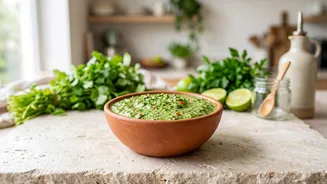
Fresh herbs like cilantro and mint are essential in Indian cooking, but they wilt quickly. A common method to extend their life is to treat them like a bouquet of flowers: trim the stems and place them in a jar with an inch of water. Loosely cover the jar and store it in the refrigerator, changing the water every couple of days. For leafy greens like spinach, a popular technique is to wrap the unwashed leaves in a dry cloth or paper towel before placing them in an airtight container in the fridge. This absorbs excess moisture that leads to decay, often keeping greens fresh for several extra days.
Make Quick-Pickle and Chutney Jars
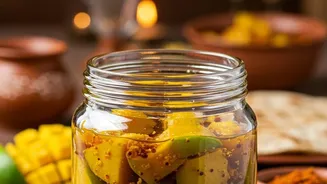
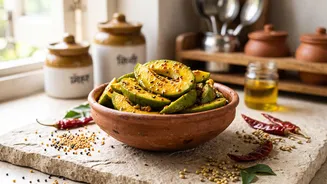
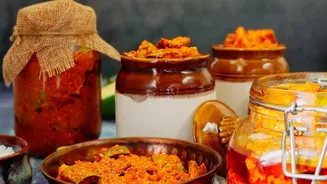
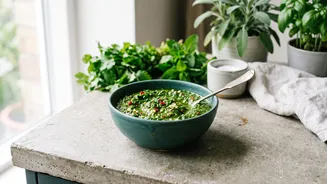
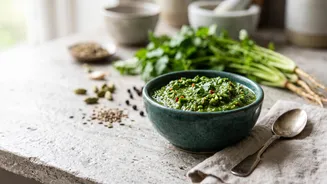
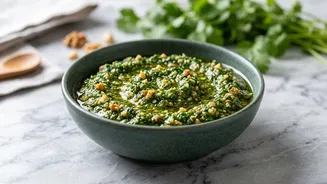
Pickling is a time-honored Indian preservation method. While elaborate pickles take time, you can make quick pickles with vegetables that are about to lose their freshness. Carrots, radishes, cauliflower, and chilis can be sliced and submerged in a simple brine of vinegar, salt, and spices. They become a tangy side dish that lasts for weeks. Similarly, vegetable peels from produce like ridge gourd or bottle gourd can be sautéed and ground with spices to create a delicious chutney, a practice common in many parts of India.
Leverage Traditional Drying Methods
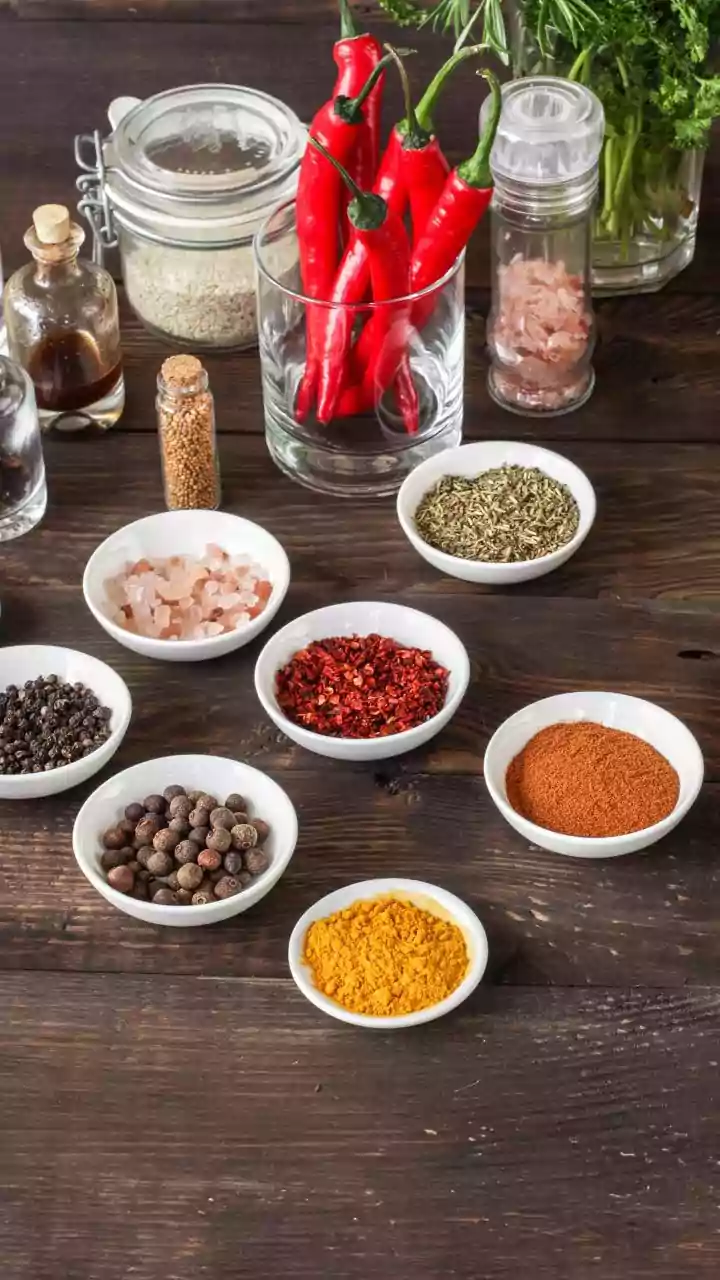
Long before refrigerators, sun-drying was a primary method of preservation in India, and it remains a useful technique today. Herbs, tomatoes, chilis, and even some fruits can be dried in the sun or a dehydrator. Dried fenugreek leaves (kasuri methi) are a staple, adding a distinct aroma to dishes. You can also make powders from dried ingredients, like tangy amchur from unripe mangoes, to use as a seasoning throughout the year. This process concentrates flavors and gives ingredients a long shelf life without needing electricity.
Separate Your Fruits and Vegetables
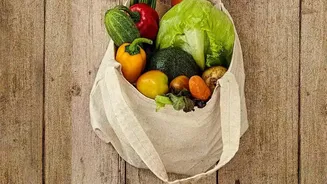
A simple but often overlooked rule is to store certain types of produce separately. Fruits like bananas and apples release ethylene gas, a natural ripening agent that can cause nearby vegetables to spoil faster. This is why potatoes and onions, a common pairing in the pantry, should actually be stored apart; the gases from the onions can cause the potatoes to sprout. Storing root vegetables like potatoes, onions, and garlic in a cool, dark, and dry place—rather than the refrigerator—is a traditional practice that helps them last much longer.