





Get Your Soil Ready
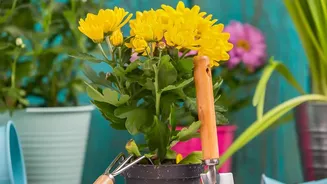
Both marigolds and chrysanthemums flourish in well-draining soil. Heavy clay or waterlogged conditions can lead to root rot, which is a common issue for both plants. Before planting, enrich your garden beds or pots with organic matter like compost. This
not only improves drainage but also provides essential nutrients. For marigolds, a slightly acidic to neutral soil is ideal, while chrysanthemums also prefer a pH between 6.0 and 7.0. A simple hack for African Marigolds is to add a small amount of used coffee grounds to the soil mix, which can slightly increase acidity and support stronger flower growth. A good base mix is garden soil, compost, and a bit of sand or coco peat to keep it light.
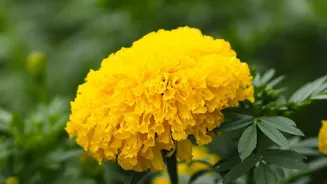
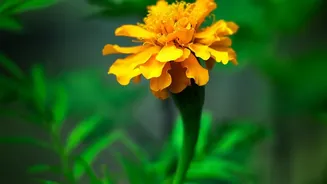
Secrets to Stunning Marigolds (Genda)
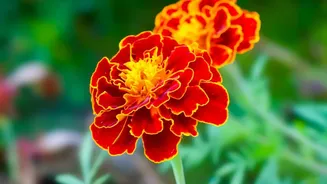
Marigolds are sun-lovers, so choose a spot that receives at least six hours of direct sunlight daily for the most abundant blooms. While they are relatively low-maintenance, a few tricks can make a huge difference. Sowing seeds in early October is ideal for a fantastic winter display. When watering, aim for the base of the plant and allow the soil to dry out a bit between waterings. Overwatering, especially on the leaves, can lead to powdery mildew. The most effective hack for bushier plants and more flowers is 'pinching'. When your seedling is about six inches tall, simply pinch off the top set of leaves. This encourages the plant to grow side branches, resulting in a fuller plant with many more flowers. Also, regularly removing dead or faded flowers, a process called deadheading, tricks the plant into producing more blooms instead of seeds.
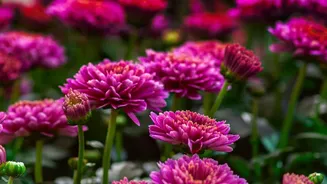
Mastering Chrysanthemums (Guldaudi)
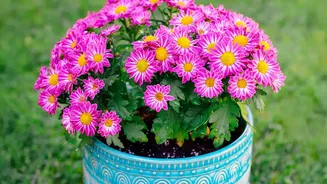
Chrysanthemums, or 'mums', are the stars of the autumn garden and their blooming period in India is typically from October to February. To get the best results, plant them in a spot with 5-6 hours of daily sunlight; gentle morning sun is perfect. Like marigolds, they need well-draining soil to prevent root rot. If you're buying starter plants, choose ones with more closed buds than open flowers to enjoy a longer blooming season at home. The key to a healthy chrysanthemum is proper watering. Keep the soil consistently moist but never soggy. Always water at the base of the plant in the morning to allow foliage to dry during the day, which helps prevent fungal diseases. For container plants, this might mean watering every other day.
Expert Hacks for More 'Mum' Blooms
Pinching is just as crucial for chrysanthemums as it is for marigolds. Once the plant is about six inches tall, pinch off the top leaves to encourage bushier growth. You can repeat this process every few weeks until flower buds start to appear. Once buds form, you can feed your plants with a balanced liquid fertiliser every two weeks to support flowering, but stop once the flowers begin to open. Chrysanthemums are 'short-day' plants, meaning they require long nights to set buds. This is why they naturally thrive in the autumn. Ensure they are not placed near artificial night lighting, which can confuse their blooming cycle. To keep the show going, regularly deadhead spent blooms throughout October.
Pest Control and Final Touches
Marigolds are famous for their pest-repelling properties, deterring nematodes and other unwanted insects, making them excellent companions for vegetable gardens. However, young seedlings can be attractive to slugs. Chrysanthemums can sometimes attract aphids or spider mites. A simple, effective hack is to spray a neem oil solution (about 5ml of oil mixed with a litre of water and a few drops of mild soap) weekly as a preventative measure. Ensuring good air circulation by not overcrowding plants is also vital to prevent fungal issues in both species. For a finishing touch, adding a layer of mulch around your plants can help retain soil moisture and suppress weeds.