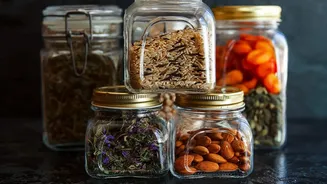


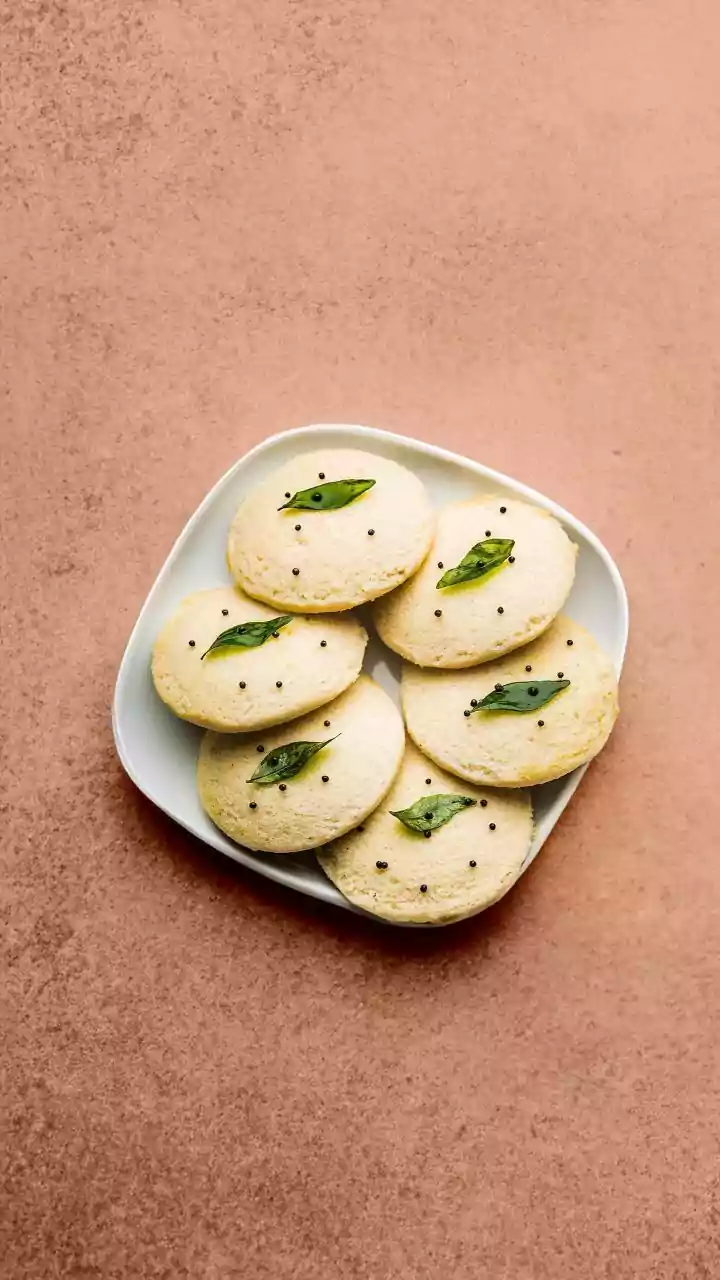

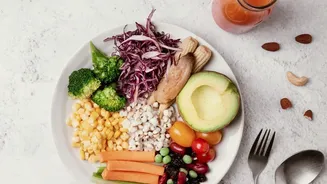
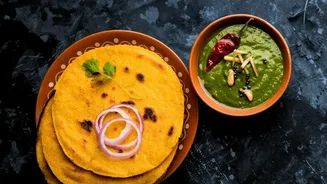
Swap 1: White Rice for Millets
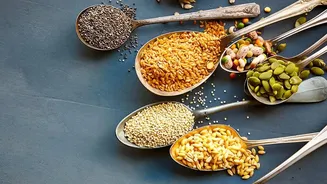
Millets like ragi, jowar, and bajra are making a major comeback. Once considered humble grains, they are now celebrated for being rich in fibre, vitamins, and minerals. Unlike polished white rice, millets digest slowly, providing sustained energy and helping
you feel full for longer. This swap is becoming easier with millet-based dosa mixes, breads, and even noodles now widely available.
Swap 2: Refined Sugar for Jaggery
Many are ditching refined white sugar for traditional sweeteners like jaggery (gur). While both have similar calorie counts, jaggery is unrefined and retains minerals like iron, potassium, and magnesium. It also has a lower glycemic index, meaning it doesn't spike blood sugar as quickly. This simple switch in your daily chai or desserts adds a touch of nutrition along with its distinct, caramel-like sweetness.
Swap 3: Refined Oils for Ghee & Cold-Pressed Oils
For years, refined oils were marketed as the 'healthier' choice. Today, traditional fats like desi ghee are returning to the forefront. Ghee has a high smoke point, making it stable for high-heat Indian cooking like tadkas and frying. It's also rich in fat-soluble vitamins and healthy fatty acids that aid digestion. Similarly, cold-pressed oils retain more nutrients and flavour compared to their industrially processed counterparts.
Swap 4: Refined Flour (Maida) for Whole Grain & Millet Flours
Refined all-purpose flour, or maida, is being replaced by more nutritious alternatives. Standard whole wheat atta is a good start, but the trend is moving towards multigrain flours and those made from millets like jowar, bajra, and ragi. These flours are higher in fibre and nutrients, offering better digestive health and satiety. This swap is perfect for daily rotis, parathas, and even baking.
Swap 5: Fried Packaged Snacks for Roasted Makhana
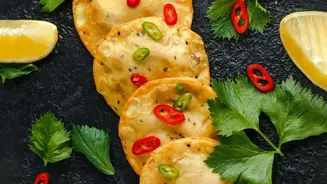
The evening snack is getting a healthy makeover. Instead of fried potato chips and namkeen, many are reaching for roasted makhana (fox nuts). Once a food reserved for fasting, makhana is now a mainstream favourite. It's light, crunchy, and a good source of protein and fibre, making it a guilt-free alternative that satisfies cravings without the excess oil.
Swap 6: Sugary Cereals for Traditional Breakfasts
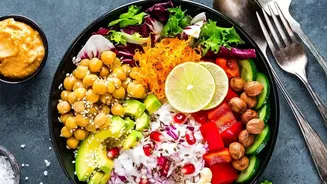
Many are moving away from sugary, processed breakfast cereals. Instead, they are embracing either quick traditional options like poha and upma, which can be loaded with vegetables, or wholesome oats. These breakfasts provide complex carbohydrates and fibre, ensuring you stay energised and full until lunch, avoiding a mid-morning sugar crash.
Swap 7: Dairy Milk for Plant-Based Alternatives
The plant-based milk market in India is growing rapidly, with options like almond, soy, and oat milk becoming common. This shift is driven by factors like lactose intolerance, ethical considerations, and a general interest in wellness. While soy milk has been the long-standing leader, oat milk is quickly gaining popularity for its creamy texture, making it a versatile swap in coffee, tea, and cereals.
Swap 8: Cream-Based Curries for Tomato or Yogurt Bases
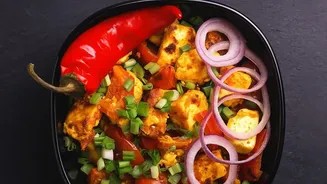
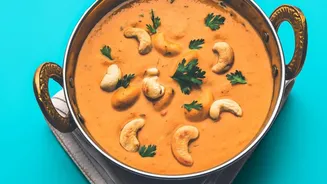
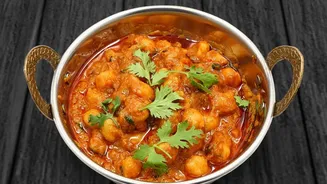
Rich, creamy curries are a delicacy, but for everyday meals, lighter gravies are gaining favour. Using a base of pureed tomatoes or yogurt instead of heavy cream or cashew paste can drastically reduce the calorie and fat content without sacrificing flavour. This allows the spices to shine through and results in a dish that feels comforting but not heavy, making it easier to digest.
Swap 9: Instant Noodles for Healthier Noodle Variants
Instant noodles are the ultimate convenience food, but their traditional refined-flour composition is a drawback for the health-conscious. The market has responded with healthier alternatives, including noodles made from whole wheat, millets, or those fortified with protein. This allows people to enjoy a quick meal without compromising on nutrition, fitting perfectly into a busy but healthy lifestyle.
Swap 10: Preservative-Laden RTE Meals for Clean-Label Options
The demand for convenience is undeniable, but so is the demand for clean ingredients. The ready-to-eat (RTE) market is evolving from heavily preserved options to meals with clean labels and minimal processing. Brands are now offering everything from dal makhani to paneer curries that are free from artificial preservatives, using technologies like freeze-drying to maintain freshness and nutrition.