





The Allure of Ziro Valley
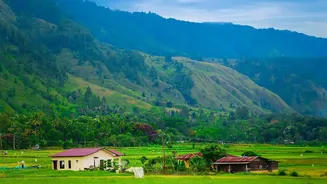
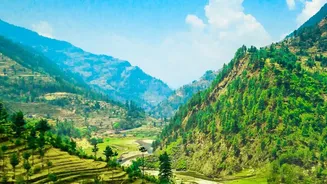
Nestled high in the hills of Arunachal Pradesh, Ziro Valley is more than just a destination; it's an experience. Nominated as a UNESCO World Heritage site, its stunning landscape is famous for the Apatani tribe's unique system of rice and fish cultivation.
This harmonious relationship with nature has made it a hotspot for eco-tourism, drawing young travellers and backpackers seeking authenticity. The valley's popularity skyrockets each September during the Ziro Festival of Music, an outdoor event celebrated for its indie lineup and sustainable practices. It’s this blend of breathtaking scenery, vibrant culture, and a relaxed, eco-conscious vibe that makes Ziro a bucket-list entry for a new generation of explorers.
Decoding the Inner Line Permit (ILP)
The Inner Line Permit, or ILP, is not a new rule or a tourist-specific gimmick. It's a mandatory travel document required for all Indian citizens who are not residents of Arunachal Pradesh to enter the state. This system dates back to the Bengal Eastern Frontier Regulation of 1873 and remains in place to protect the distinct cultures and fragile ecosystems of the region's indigenous communities. Think of it less as a barrier and more as a formal guest registration system. It's a long-standing safeguard for the state's security and cultural integrity, applying whether you're visiting Ziro, Tawang, or any other part of this frontier state. Attempting to enter without one will result in being turned away at the numerous border checkpoints.
Why Eco-Stays Emphasise the Rule
The headline's focus on eco-stays and young travellers highlights a renewed emphasis on compliance, not a new regulation. As Ziro's popularity has grown, so has the number of homestays, eco-lodges, and independent travellers. Unlike conventional hotel bookings, stays are often arranged informally. Local authorities and accommodation providers are reinforcing the ILP rule to ensure every visitor is accounted for, which helps manage tourist flow and upholds the law. For responsible eco-stay hosts, confirming their guests have a valid ILP is part of their commitment to sustainable tourism that respects local regulations and culture. It ensures that the very things that make Ziro special—its culture and environment—are preserved.
Your Step-by-Step ILP Guide
Getting an ILP is a straightforward online process. Here’s how: 1. Visit the Official Portal: Use the official government websites, such as arunachalilp.com or eilp.arunachal.gov.in. Avoid third-party sites that may charge extra fees. 2. Gather Your Documents: You will need a clear, passport-sized photograph and a scanned copy of a valid photo ID like an Aadhaar card, Voter ID, or passport. 3. Fill the Application: Enter your personal details, travel dates, and the districts you plan to visit (e.g., Lower Subansiri for Ziro). You will also need to provide the address of your first night's stay, which could be your homestay. 4. Pay the Fee and Download: The fee is typically between ₹100 and ₹500, payable online. Applications are often processed within the same day or up to 24 hours. Once approved, download the PDF. While a digital copy is often accepted, it is highly recommended to carry a few printed copies with you.
Tips for a Smooth Ziro Trip
With your ILP secured, the rest of your adventure awaits. To make the most of your visit, plan ahead. Apply for your permit at least a few days before your travel date to avoid last-minute issues. Always carry the original ID you used for the application. While the ILP grants you entry to the state, remember that some highly sensitive border areas, like Bum La Pass near Tawang, may require an additional Special Permit arranged locally. Finally, embrace the spirit of the place. The ILP is the first step in being a responsible traveller in a land that is both beautiful and culturally precious. Engage with the local Apatani community respectfully, support local businesses, and leave the valley as pristine as you found it.