

What Is a Humidity Tray?
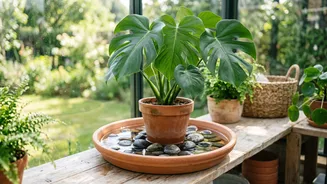
A humidity tray, often called a pebble tray, is a simple device used to increase the ambient moisture around indoor plants. It consists of a shallow, waterproof tray or saucer filled with a layer of pebbles, gravel, or decorative stones and water. The
potted plant sits on top of the pebbles, above the water level. The core principle is evaporation: as the water in the tray evaporates, it rises and creates a small, humid microclimate directly around the plant’s foliage, mimicking the moist conditions of its native tropical or subtropical habitat. This method provides a gentle, constant boost in local humidity without waterlogging the soil.
Why Your Plants Need More Humidity
Many popular houseplants, such as ferns, calatheas, and orchids, evolved in rainforests where humidity is consistently high. Modern homes, especially those with central heating or air conditioning, tend to have very dry air. This lack of moisture can cause stress for tropical plants. Common signs that a plant is suffering from low humidity include brown, crispy leaf tips and edges, curling leaves, stunted growth, and a general loss of vibrancy. While misting can provide a temporary boost, its effects are short-lived. A humidity tray offers a more sustained and passive solution to combat the dry indoor environment.
How to Set Up a Humidity Tray
Creating your own humidity tray is an easy and inexpensive project. First, select a waterproof tray or saucer that is wider than the base of your plant's pot; the larger the surface area, the more effective it will be. You can use an old plant saucer, a shallow baking dish, or any decorative tray. Fill the tray with a layer of pebbles, pea gravel, or even glass beads. Pour water into the tray until the level is just below the top of the pebbles. This is the most crucial step: you must ensure the bottom of the plant pot will sit on the stones, not directly in the water. If the pot touches the water, the soil can become saturated, leading to root rot. Finally, place your potted plant on top of the pebbles and refill the tray as the water evaporates.
Which Plants Benefit Most?
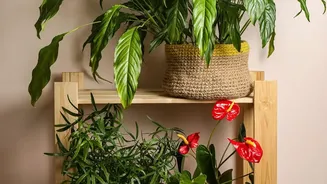
While most houseplants can tolerate average home humidity, certain species thrive with the extra moisture a humidity tray provides. Tropical plants with lush, thin leaves are the primary candidates. This includes many popular varieties such as Boston ferns, maidenhair ferns, calatheas (prayer plants), alocasias (elephant ear), and peace lilies. Orchids, bromeliads, anthuriums, and carnivorous plants like Venus flytraps also flourish with higher humidity. On the other hand, plants native to arid climates, like succulents and cacti, do not need and will not benefit from a humidity tray, as they prefer drier conditions.
Common Mistakes and Maintenance
To ensure your humidity tray is helping, not harming, your plants, avoid a few common errors. The biggest mistake is overfilling the tray with water, which allows the plant's roots to sit in water and invites root rot. Always keep the water level below the pebbles. Another issue is letting the tray dry out completely, which negates its purpose. Check the water level every few days and top it up as needed. It's also important to keep the tray clean. Stagnant water can become a breeding ground for algae, mold, or pests like fungus gnats. To prevent this, change the water and rinse the pebbles every one to two weeks, or whenever you notice the water looking cloudy.