




The Pre-Trip Vehicle Inspection
Before you even think about hitting the winding ghat roads, a thorough vehicle check is non-negotiable. Start with the essentials that are most affected by rain. Your tyres are your only contact with the slippery road surface. Ensure they have adequate
tread depth—at least 3mm is recommended for monsoon driving—to provide better grip and reduce the risk of skidding. Properly inflated tyres are also crucial for maintaining control. Next, inspect your brakes. Wet conditions significantly increase your vehicle's stopping distance. If you hear any squealing noises or the brake pedal feels spongy, get them professionally inspected before your trip. Finally, check all fluid levels, including engine oil, coolant, and brake fluid, as engines work harder on steep inclines.
Maximise Your Visibility, And Be Seen
In a downpour or thick fog, seeing and being seen is paramount. Your windscreen wipers are your first line of defence against heavy rain. Check the rubber blades for cracks or wear; if they leave streaks, replace them immediately. Top up your windshield washer fluid, which is essential for clearing mud splashed by other vehicles. Equally important is ensuring other drivers can see you. Test all your lights: headlights (both low and high beams), taillights, brake lights, and indicators. In heavy rain or fog, always drive with your low-beam headlights on to improve your visibility without causing glare for oncoming traffic. If visibility drops to near-zero, it's safest to pull over and wait for conditions to improve.
Adapt Your Driving Style for Wet Roads
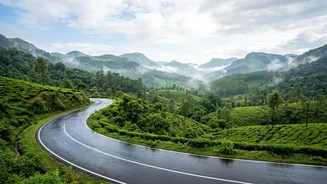
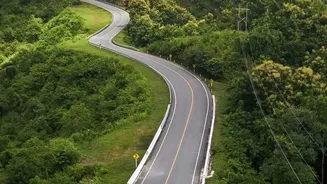
Driving in the hills during monsoon is not a race. The golden rule is to slow down and drive at a steady, controlled pace. Reducing your speed gives you more time to react to hidden potholes, fallen branches, or sudden obstacles. Maintain a much greater distance from the vehicle in front of you, as braking takes longer on wet surfaces. Avoid sudden acceleration, hard braking, or jerky steering movements, which can easily cause you to lose control. On steep downhill sections, shift to a lower gear and use engine braking to control your speed. This prevents your brakes from overheating. A key rule on narrow hill roads is to always give way to vehicles coming uphill.
Navigate Hazards with Extreme Caution
Monsoon drives come with specific hazards like waterlogged patches and the threat of landslides. It's often impossible to tell how deep a puddle is, so it's best to avoid driving through standing water if you can. If you must cross a waterlogged area, do so slowly and in a low gear. After exiting, gently tap your brakes to help dry them out. Landslides are a serious danger, particularly in regions like the Western Ghats. Be vigilant for warning signs like small streams of mud, falling rocks, or trees leaning at odd angles. If you encounter any of these signs, it's safer to turn back or wait for the road to be cleared rather than risk crossing an unstable slope.
Pack a Monsoon-Ready Emergency Kit
Getting stranded is a real possibility during a monsoon hill drive, whether due to a breakdown or a road closure. Your emergency kit should be equipped for such situations. Include a well-stocked first-aid kit with essential medicines, a powerful flashlight with extra batteries, and a multi-tool. Pack non-perishable snacks like energy bars and nuts, along with plenty of bottled water, in case you're stuck for an extended period. Waterproof gear, including jackets and an umbrella, is a must. It’s also wise to carry a portable power bank to keep your phone charged for communication and navigation. Jumper cables and a basic toolkit for minor repairs can also be lifesavers.
Stay Informed and Flexible
Weather in the mountains can change rapidly. Before you start your journey and throughout your drive, check reliable weather forecasts and local traffic updates for information on road conditions and potential closures. Be prepared to alter your plans. Locals are often the best source of real-time information about road safety. If conditions look severe or you're advised that a road is unsafe, don't take the risk. It's far better to delay your trip or find an alternative route than to push forward into a dangerous situation. Planning for buffer time in your itinerary allows you to stop and wait out heavy rain or fog without feeling pressured to continue driving.