





Why Restaurant Tikka Isn't Always King
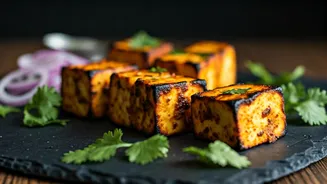
Let’s be honest. We’ve all had that disappointing plate of paneer tikka. The one where the paneer is dry and rubbery, the marinade is a thin, sad coating of red food colouring, and the 'char' is more like a faint suggestion. Restaurants, especially during
a busy service, often take shortcuts. They might pre-cook the tikkas, use lower-quality paneer, or rely on artificial colours and flavours. The promise of tandoori perfection can sometimes fall flat. This is where your kitchen comes in. At home, you control every single element, from the freshness of the paneer to the richness of the marinade, ensuring a truly winning result every time.
The Marinade Is Your Secret Weapon
The soul of any great tikka is its marinade. This is not the place for shortcuts. A truly magnificent marinade has three pillars. First, the base: use thick, hung curd (dahi). Watery curd will create a runny, flavourless coating. Hang your curd in a muslin cloth for at least an hour to drain the whey. Second, the binder and flavour: a spoonful of roasted besan (gram flour) not only helps the marinade cling to the paneer but also adds a nutty depth. And don't skip the pungent kick of kacchi ghani (cold-pressed) mustard oil; it’s a non-negotiable flavour foundation. Finally, the spices: ginger-garlic paste, turmeric, Kashmiri red chilli powder for colour without extreme heat, garam masala, and kasuri methi (dried fenugreek leaves) rubbed between your palms to release its aroma. This combination creates a thick, flavour-packed paste that will transform your paneer.
The Secret to Perfectly Soft Paneer
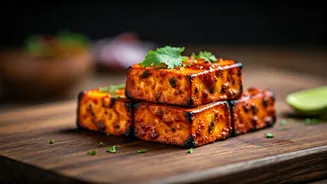
The cardinal sin of paneer tikka is dryness. The enemy of soft paneer is moisture loss during cooking. Luckily, the solution is incredibly simple. Before you even think about marination, cut your paneer into cubes and soak them in a bowl of hot, salted water for 15-20 minutes. This simple step does two magical things: it seasons the paneer from within, and more importantly, it hydrates it, making it incredibly soft and spongy. After soaking, gently pat the cubes dry before adding them to your thick marinade. This ensures the paneer remains tender and succulent, absorbing the flavours of the spices without turning into a chewy, disappointing brick when cooked. Never marinate cold, hard paneer straight from the fridge.
Mastering the Char Without a Tandoor
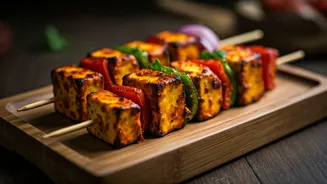
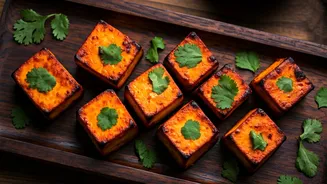
You don't need a giant clay oven to get that signature smoky char. Your home stove or oven can do the job beautifully. For a stovetop method, thread your marinated paneer and veggies (onions, bell peppers) onto skewers and cook them on a grill pan or a regular tawa over medium-high heat, turning regularly until charred spots appear on all sides. In an oven, arrange the skewers on a rack over a baking tray and grill at a high temperature (around 220°C) for 10-15 minutes. To get that authentic smoky flavour, try the 'dhungar' method. Once your tikka is cooked, place the skewers in a large bowl. In a small steel cup, place a piece of burning charcoal, pour a drop of ghee over it, and as it starts smoking profusely, place the cup in the bowl with the tikkas and cover immediately for a few minutes. This infuses the dish with an unmistakable smoky aroma.
Make It Uniquely Yours
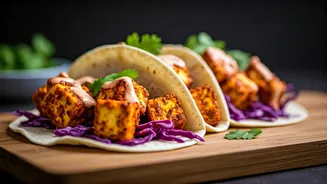
The beauty of homemade tikka is customisation. Don’t just stick to paneer. Use the same marinade for mushrooms, potatoes, or tofu. The classic vegetable combination for skewers is cubed onions, tomatoes (deseeded), and capsicum, which add sweetness and texture. But feel free to experiment with zucchini or broccoli. Adjust the spice level to your liking; add more green chilli paste for a fiery kick or tone down the chilli for a milder flavour. Serving it with a side of simple mint-coriander chutney and some raw onion rings tossed with lemon juice completes the experience, making it a perfect appetiser or even a main course wrapped in a roomali roti.