


More Than Just a Garnish
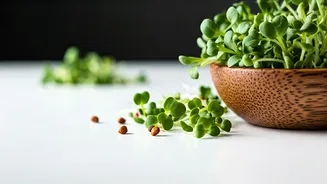
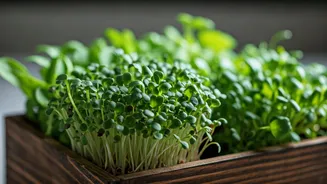
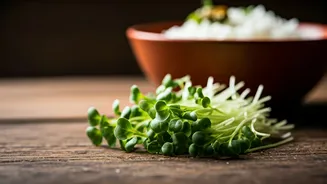
First, let's clarify what we're talking about. Radish shoots are a type of microgreen. They aren't the same as sprouts, which are germinated seeds grown in water and consumed whole (seed, root, and stem). Microgreens are grown in soil or another medium,
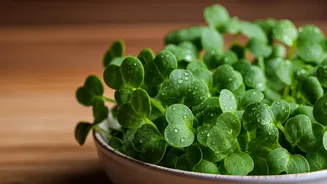
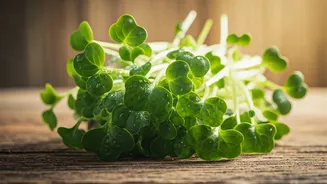
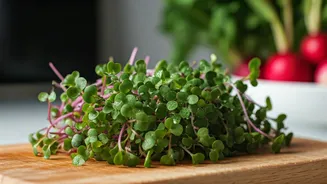
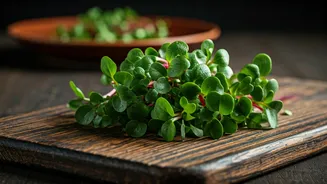
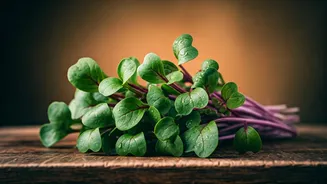
harvested by snipping the stem just above the soil line, and consist of the stem and the plant's first set of leaves, called cotyledons. In the case of radish shoots, these tiny greens pack the distinctive, peppery flavor of a full-grown radish bulb but in a delicate, leafy form. They offer a satisfyingly crisp texture and a vibrant green-and-purple color that can elevate the look of any dish, turning a simple meal into something that looks like it came from a high-end café.
A Tiny Plant with Big Nutrients
The real magic of radish shoots lies in their nutritional density. While they may be small, they are nutritional powerhouses. Research, including a well-known study from the USDA and the University of Maryland, has shown that microgreens can contain significantly higher concentrations of vitamins and antioxidants than their mature plant counterparts. Radish shoots, in particular, are lauded for their high levels of Vitamin C, Vitamin E, and other beneficial compounds. Think of it this way: at this early stage, the tiny plant contains a concentrated store of all the nutrients it needs to grow into a full-sized vegetable. By harvesting them early, you get to benefit from that potent nutritional punch. Adding a handful to your meal is one of the simplest ways to introduce more vital nutrients into your diet without having to overhaul your entire menu.
Your Foolproof Windowsill Garden
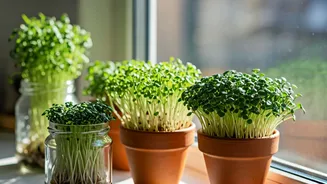
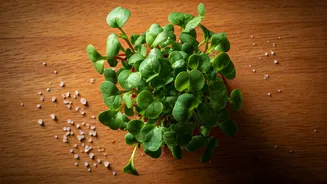
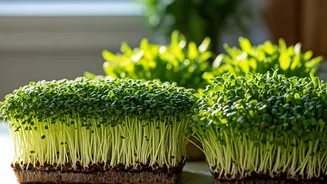
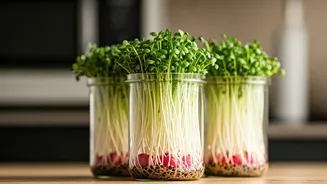
Intimidated by the idea of gardening? Don't be. Growing radish shoots is one of the easiest and fastest horticultural projects you can undertake. You don't need a yard, special lights, or a green thumb. Here's a basic method: 1. Gather Your Supplies: You'll need a shallow container with drainage holes (a recycled plastic takeout container with holes poked in the bottom works perfectly), some potting soil or a seed-starting mix, and radish seeds. Look for seeds specifically marketed for microgreens or sprouting, as they are typically untreated. Daikon radish seeds are a popular choice. 2. Prepare the Container: Fill your container with about an inch or two of moistened potting soil. Gently tamp it down to create a flat, even surface. 3. Sow the Seeds: Sprinkle the radish seeds generously across the entire surface of the soil. You want them to be dense but not piled on top of each other. Gently press them into the soil with your hand, but you don't need to cover them with more soil. 4. Water and Wait: Lightly mist the seeds with water from a spray bottle. Place the container on a windowsill that gets decent, indirect sunlight. For the first couple of days, you can cover it with a lid or another tray to keep the humidity high. Mist daily to keep the soil consistently moist but not waterlogged. 5. Harvest: In just 7 to 10 days, your radish shoots will be one to three inches tall and will have developed their first set of true leaves. To harvest, simply use a clean pair of scissors to snip the shoots just above the soil line. Rinse gently and they're ready to eat.
The Peppery Pop: Using Your Harvest
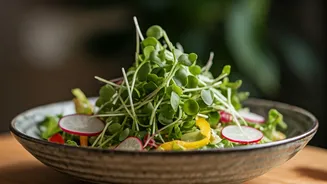
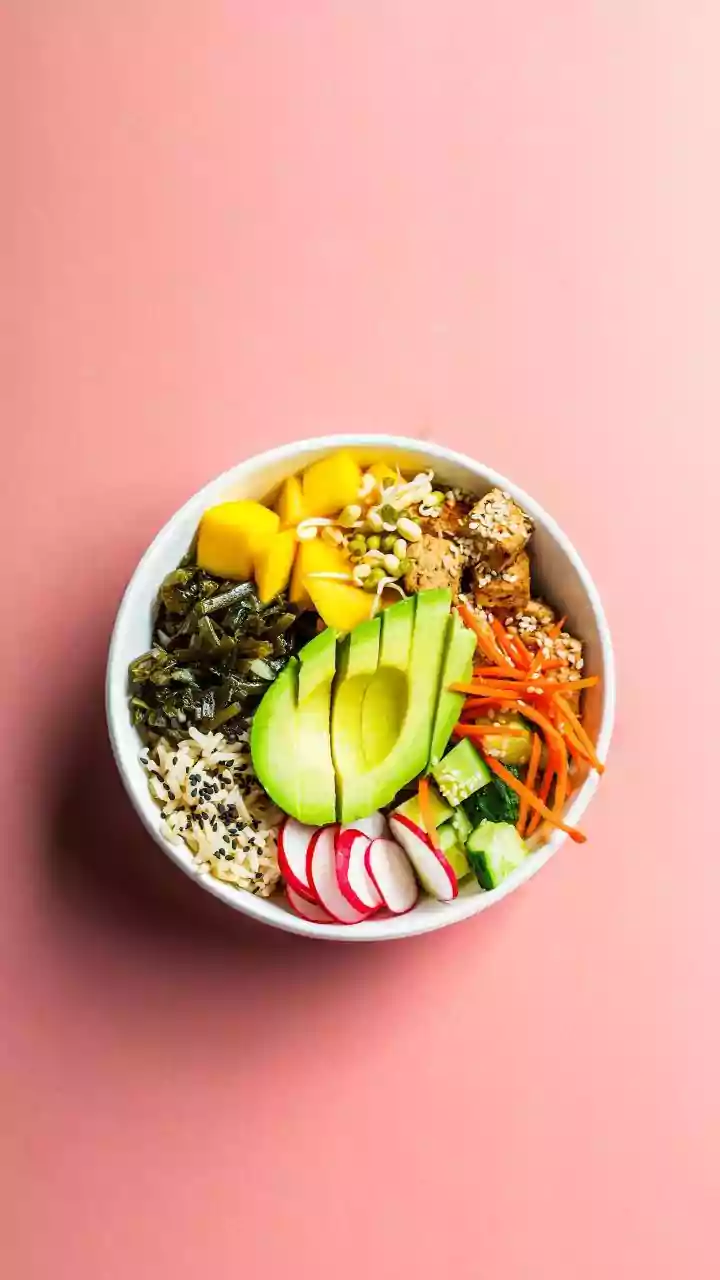
Now for the fun part: eating them. The sharp, peppery flavor of radish shoots makes them an incredibly versatile finishing touch for countless dishes. Their zesty bite can cut through richness, add a fresh counterpoint to savory flavors, and provide a pleasant textural crunch. Need some inspiration? Try sprinkling a generous handful over: * Avocado Toast: The spicy shoots are a perfect complement to the creamy avocado. * Scrambled Eggs or Omelets: Add them at the very end of cooking for a fresh, vibrant kick. * Tacos and Nachos: Use them instead of or in addition to shredded lettuce for a more intense flavor. * Soups and Stews: Garnish a creamy tomato soup or a hearty lentil stew for a burst of freshness. * Sandwiches and Wraps: They add moisture, crunch, and flavor far more interesting than standard lettuce. * Salads: Mix them into a larger green salad to add a spicy dimension, or use them as the base for a simple micro-salad with a light vinaigrette.