




Beyond the National Spectacle
For decades, the Indian retail calendar was anchored by a few national festivals like Diwali and Holi, which triggered predictable waves of consumer spending. While these events remain significant, the real growth story is now unfolding in the states.
Festivals such as Onam in Kerala, Durga Puja in West Bengal, Ganesh Chaturthi in Maharashtra, and Pongal in Tamil Nadu are no longer just cultural events; they are major economic seasons in their own right. This shift is decentralizing the festival economy from a single peak period into a year-round series of lucrative opportunities, demanding a more nuanced and localized approach from businesses. This diversification creates a more resilient economic cycle, less dependent on a single festive quarter.
The Rise of the Tier-2 and Tier-3 Consumer
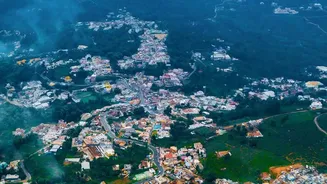
Fueling this trend is the growing economic clout of consumers in Tier-2 and Tier-3 cities. E-commerce platforms report that a majority of their festive season growth now comes from these smaller urban centers. During the 2025 festive season, for instance, Tier-2 and Tier-3 cities accounted for a staggering 65% of all online orders. This isn't just about volume; spending per shopper in these regions is also increasing, with consumers showing a growing appetite for higher-value goods in categories like electronics, fashion, and home appliances. Improved logistics, deeper internet penetration, and the widespread adoption of digital payments have made it easier than ever for brands to reach these aspirational buyers.
Hyperlocal Marketing: The New Playbook
The success of the regional festival economy hinges on cultural connection. One-size-fits-all national campaigns are proving less effective. Instead, savvy brands are adopting hyperlocal strategies that resonate with local traditions and sentiments. This can involve creating region-specific products, using local languages in advertising, and collaborating with regional influencers who have authentic connections with the community. For example, a campaign that works for Durga Puja in Kolkata, with its emphasis on community and artistry, would need a completely different emotional tone for Onam in Kerala, which is rooted in harvest and homecoming. Quick commerce platforms have been particularly adept at this, creating dedicated storefronts and curated product packs that change based on the customer's pin code and the local festival being celebrated.
Which Sectors Are Winning?
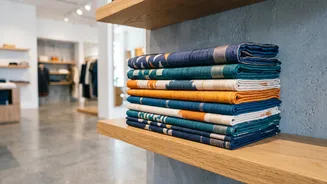
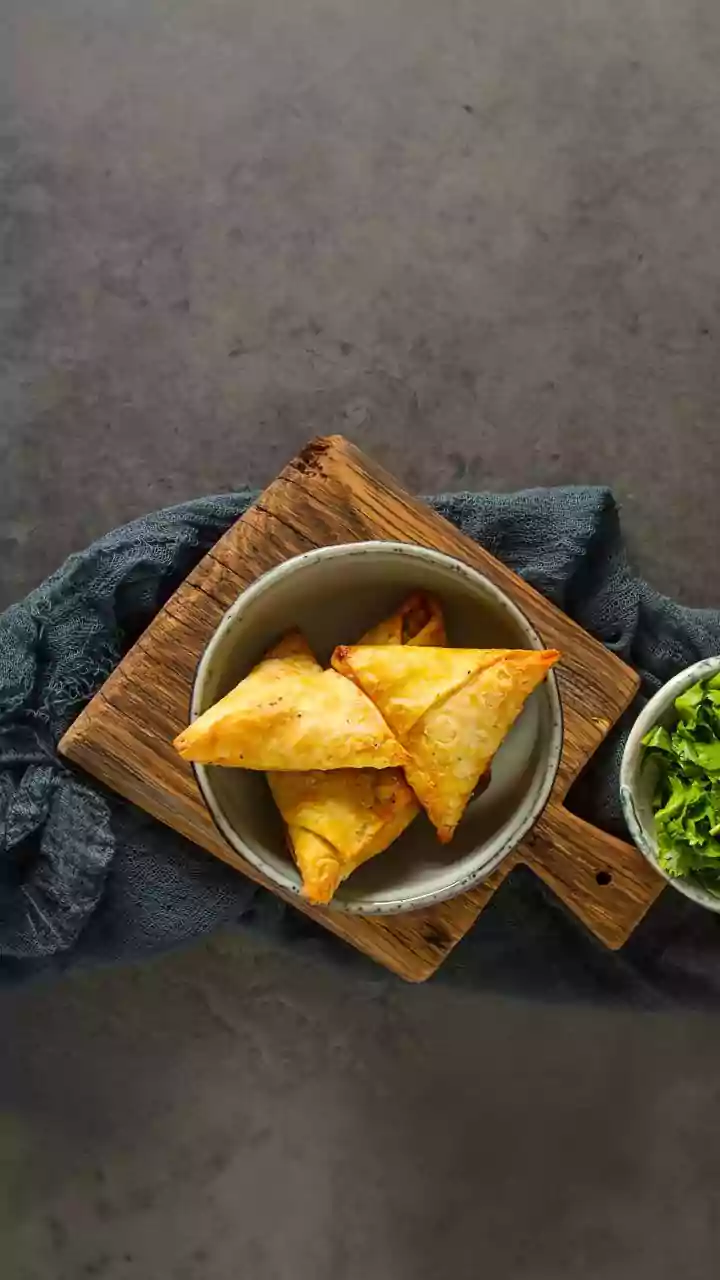
The spending surge during regional festivals benefits a wide range of industries. Apparel, both traditional and contemporary, sees a significant uptick as people purchase new clothes for celebrations. Consumer electronics, home decor, and gifts are also popular categories. The food and beverage industry experiences a boom, not just in sweets and traditional festive foods but also through increased orders on delivery platforms. This economic activity creates a ripple effect, boosting seasonal employment in logistics, event management, and for local artisans who produce handicrafts and decorative items specific to these festivals. This broad-based impact supports livelihoods across both the formal and informal sectors, making these festivals crucial drivers of inclusive growth.
The Emotional Connection
At its core, festival spending in India is driven by emotion more than just discounts. Purchases made during these times are often tied to tradition, auspiciousness, family, and a sense of renewal. Brands that understand this cultural context are the ones that build lasting loyalty. Successful campaigns often tap into these emotions through storytelling, rather than just focusing on price. Cadbury's campaigns for Raksha Bandhan, for example, center on the emotional bond between siblings, making the chocolate a part of the ritual itself. Similarly, integrating a product into a cultural event, like Fevicol’s unbreakable Dahi Handi during Janmashtami, creates a memorable brand experience that goes beyond a simple advertisement. For retailers, this means the opportunity is not just to sell a product, but to become part of a cherished cultural moment.