





The Irresistible Monsoon Makeover
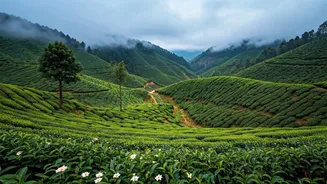
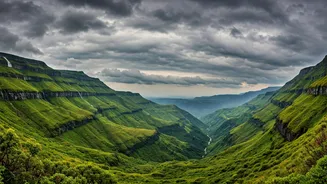
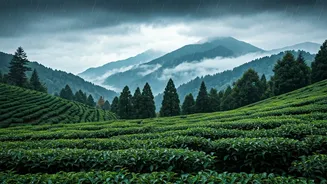
Come June, a magical transformation sweeps across the Western Ghats. The parched earth gives way to a vibrant carpet of green, ancient forests drip with fresh rain, and seasonal waterfalls burst into life, tumbling down dark cliffs. This annual spectacle
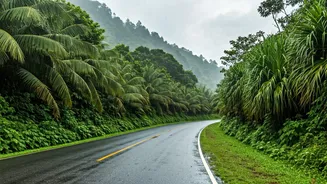
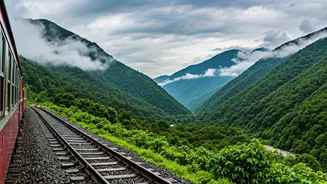
draws city dwellers from Mumbai, Pune, Bengaluru, and beyond. The allure of a long drive through misty roads, the smell of wet earth, and the thrill of a trek to a cloud-kissed fort are powerful temptations. Destinations like Lonavala, Mahabaleshwar, Coorg, Munnar, and Wayanad become magnets for those seeking a dramatic, rain-soaked escape. The entire landscape, a UNESCO World Heritage site, pulses with life, offering a sensory experience that is both exhilarating and deeply calming.
Understanding the Colour Codes
Before you pack your bags, your first stop should be the India Meteorological Department (IMD) website. The IMD uses a simple colour-coded system to warn of severe weather, which is crucial during the monsoon. A 'Green' alert means all is well. A 'Yellow' alert advises you to 'Be Aware', as moderately bad weather is possible. This is the time to check your travel route and stay updated. An 'Orange' alert means 'Be Prepared', as there's a high likelihood of extremely bad weather that can disrupt travel and even pose a threat to life. A 'Red' alert is the most serious, signalling authorities to 'Take Action'. It warns of exceptionally heavy rainfall and severe conditions that pose a significant risk to life and property. During a red alert, travel should be avoided altogether.
The Real Dangers: Landslides and Flash Floods
The same rains that create such beauty also saturate the soil on the region's steep slopes, creating a high risk of landslides. Roads can be blocked for hours or even days, and in the worst cases, entire sections of a hillside can collapse. District authorities in Maharashtra, Karnataka and Kerala often issue specific advisories or close vulnerable ghat roads and trekking trails to prevent accidents. Flash floods are another significant danger. A stream that looks gentle can become a raging torrent in minutes due to heavy rain further upstream in its catchment area. This is why it is forbidden to get too close to waterfalls or swim in streams during heavy downpours. The force of the water can be sudden and overwhelming.
Your Pre-Trip Safety Checklist
Responsible travel during the monsoon is all about preparation. Before you leave home, check the IMD forecast for your destination and the districts you will travel through. Look up advisories from the local district administration or disaster management authority, as they will have the most current information on road closures or restricted tourist spots. Check your vehicle thoroughly, paying special attention to tyres, brakes, and wipers. Pack smart: include a waterproof jacket, quick-drying clothes, and sturdy shoes with good grip. A first-aid kit, a powerful torch, a power bank, and some ready-to-eat snacks are non-negotiable. Finally, always inform a friend or family member of your detailed itinerary and expected return time.
Staying Safe While You're There
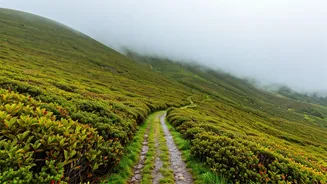
Once you are in the Ghats, vigilance remains key. Be extremely cautious while driving, especially on winding ghat roads where visibility can drop to a few feet in heavy fog or rain. Avoid stopping in areas with signs of instability, like loose soil or rock-fall zones. The temptation to take a selfie at the edge of a cliff or a gushing waterfall is strong, but many accidents are caused by exactly this. Respect all local warnings and barricades; they are there for a reason. Listen to the advice of local guides and residents. If a road or trek looks too risky, turn back. No viewpoint or photo is worth endangering your life. Always prioritise safety over adventure.