







Breakfast bowls are a delicious and healthy way to start the day, and adding a sprinkle of walnuts seems like a smart choice. But while these nuts are nutritional powerhouses, it is incredibly easy to turn a healthy meal into a calorie bomb.
The Nutritional Powerhouse in Your Bowl
Walnuts have
earned their reputation as a 'superfood' for good reason. They are packed with beneficial nutrients that can significantly boost your morning meal. Most notably, walnuts are one of the best plant-based sources of omega-3 fatty acids, specifically alpha-linolenic acid (ALA). This healthy fat is crucial for brain health and has been shown to reduce inflammation and lower the risk of heart disease. Beyond healthy fats, walnuts also provide a good dose of protein and fibre, which work together to keep you feeling full and satisfied, helping to prevent mid-morning hunger pangs. They are also rich in antioxidants, including vitamin E and polyphenols, which help protect your body's cells from damage.
The Portion Puzzle: How Much Is Enough?
Here is where portion awareness becomes critical. While walnuts are healthy, they are also calorie-dense. A standard, recommended serving size of walnuts is about 28 to 30 grams, which translates to roughly a quarter cup, a small handful, or about 12 to 14 walnut halves. This single serving contains around 185 calories, 4 grams of protein, and 18 grams of healthy fats. This amount is enough to provide the health benefits—like the powerful dose of ALA—without overloading your breakfast with excess calories. For many people, seeing what one serving looks like is an eye-opener; it is often much smaller than the generous handful many of us toss into our oatmeal or yogurt.
When a Good Thing Becomes Too Much
Mindlessly scooping walnuts can quickly negate their benefits. The most immediate consequence of overeating walnuts is weight gain, due to their high calorie and fat content. But it's not just about the calories. Consuming too many walnuts at once can also lead to digestive issues. The high fibre and fat content, while beneficial in moderation, can cause bloating, gas, and even diarrhoea if you eat too many, especially if your body isn't used to a high-fibre diet. In some cases, excessive intake of walnuts, which contain compounds called oxalates and phytic acid, may contribute to the formation of kidney stones in susceptible individuals or interfere with the absorption of minerals like iron and zinc.
Practical Tips for Perfect Portions
Incorporating walnuts into your diet sensibly doesn't require a calculator, just a few mindful habits. The single most effective strategy is to pre-portion your nuts. Instead of eating directly from a large bag, take a moment to measure out a single serving. Use a measuring cup (1/4 cup) or simply count out about 14 halves. Put this portion in a small bowl and put the main container away. This small bit of friction prevents mindless munching. Another great tip is to use smaller bowls for your breakfast. A smaller vessel makes a properly portioned meal look more abundant and satisfying. Finally, practice mindful eating. Pay attention to your food, chew slowly, and savour the crunchy texture and rich flavour of the walnuts.
Building a Better, Balanced Breakfast Bowl
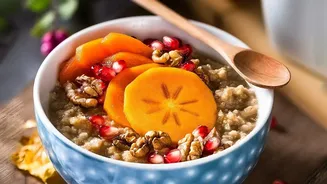
Now, let’s put it all together. A balanced breakfast bowl combines protein, fibre, and healthy fats for sustained energy. Start with a base like oatmeal, daliya, or Greek yogurt. Add a serving of fruit for natural sweetness and vitamins. Then, add your pre-measured portion of walnuts for that satisfying crunch and a boost of omega-3s. Chopping the walnuts can make the portion seem larger and distribute the flavour more evenly throughout your bowl. You can also toast them lightly to enhance their nutty taste. By pairing the right portion of walnuts with other nutrient-dense ingredients, you create a breakfast that is not only delicious but also perfectly aligned with your health and wellness goals.