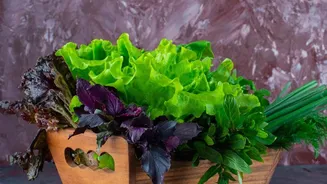


Setting Up for Success
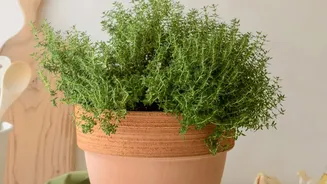
Before you start, a little preparation goes a long way. The three key elements for a happy windowsill herb garden are light, water, and soil. Most herbs need at least four to six hours of sunlight per day, making a south-facing windowsill an ideal location.
If light is limited, not to worry; mint and parsley are more tolerant of partial shade. For containers, choose pots with good drainage holes to prevent waterlogging, which can lead to root rot. A well-draining, fertile potting mix is crucial. You can buy a pre-made mix or create your own by combining garden soil, compost, and a bit of sand or cocopeat to ensure good drainage.
Tulsi: The Queen of Herbs
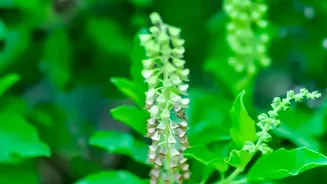
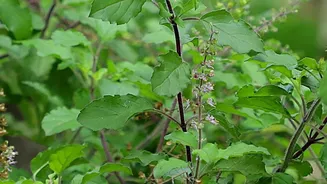
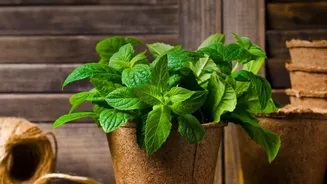
Tulsi, or Holy Basil, is treasured in many Indian households for its medicinal properties and spiritual significance. It is a sun-loving plant and needs a minimum of four to six hours of direct sunlight to thrive. During winter, place it in your brightest, sunniest window. Water your Tulsi plant when the top inch of soil feels dry to the touch, but be careful not to overwater, especially in cooler months. To encourage a bushy plant with plenty of leaves, regularly pinch off the flower buds (manjaris) before they get a chance to bloom. This directs the plant's energy into producing more of its fragrant leaves.
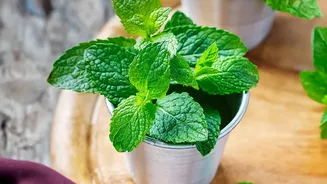
Mint: The Easiest to Please
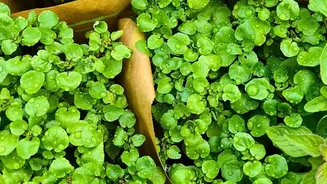
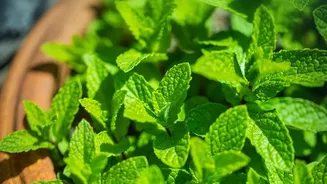
Mint is famously easy to grow and a perfect choice for beginners. In fact, its vigorous growth can be invasive in a garden, which makes it perfectly suited for container life. Mint is not as demanding about sunlight as Tulsi and can do well with a few hours of sun. The easiest way to start a mint plant is from a cutting from a healthy, established plant or even from store-bought mint. Simply place a stem in a glass of water, ensuring a few leaf nodes are submerged. Roots will appear in a week or two, and you can then plant it in a pot. Keep the soil consistently moist but not waterlogged. Harvest leaves regularly to encourage new growth.
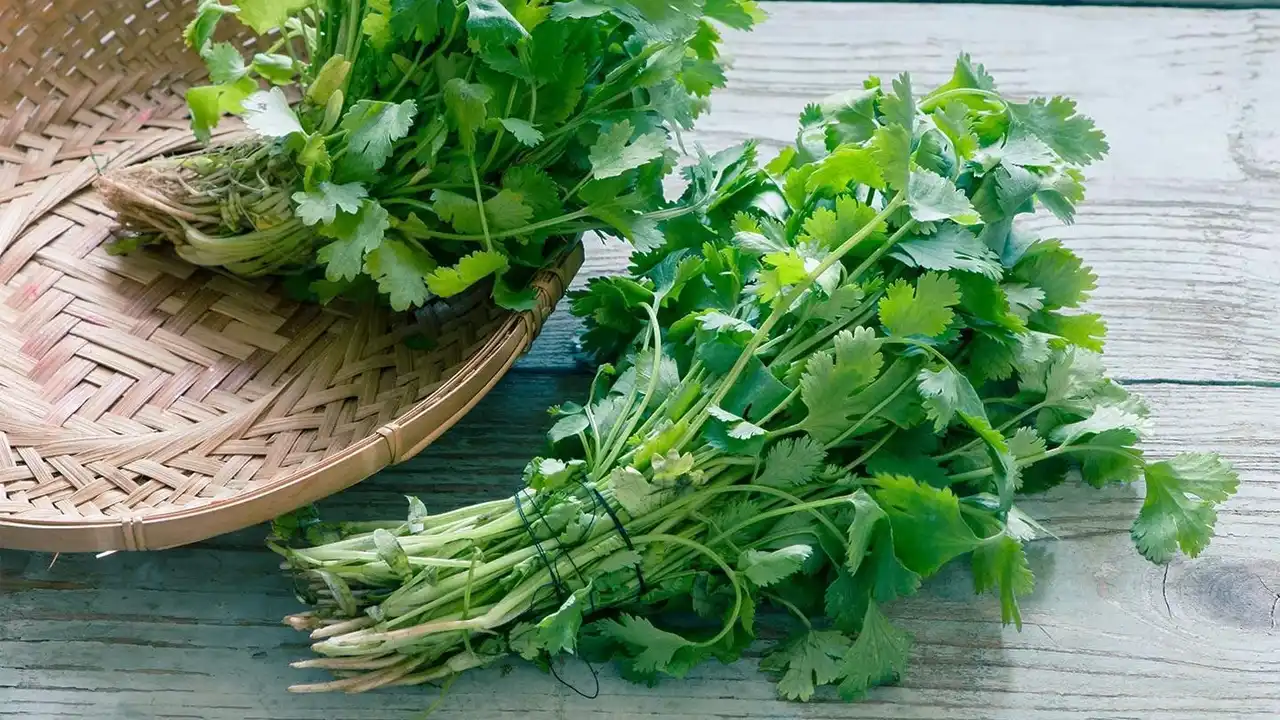
Coriander: Fresh Dhania on Demand
Fresh coriander, or dhania, is a staple in Indian cooking, and having a pot on your windowsill is a game-changer. Coriander can be a bit trickier than mint, as it tends to 'bolt' (flower prematurely) if stressed, especially by heat. Growing it in the cooler winter months indoors can actually help prevent this. It's best grown from seed. For better germination, gently crush the whole coriander seeds into two halves before sowing. Sow the seeds directly into your pot, as coriander doesn't like to be transplanted. Place the pot in a spot that gets good sunlight but is not excessively hot. Keep the soil consistently moist while the seeds are germinating. For a continuous supply, it's a good idea to sow a new batch of seeds every few weeks.
Winter Care and Common Issues
The main challenges of winter gardening are reduced light and cold temperatures. Rotate your pots every few days to ensure all sides of the plant get some light. While these herbs are indoors, they can still be affected by cold drafts, so keep them away from open windows at night. Overwatering is a common mistake, especially in winter when plants grow slower and use less water. Always check the soil moisture with your finger before watering. Yellowing leaves can be a sign of both overwatering and underwatering, so checking the soil is key. By paying a little attention to your green companions, you can enjoy their fresh flavours all season long.