





The Logo Goes Undercover
For decades, tech company merchandise, or 'swag', has been a badge of honor. A t-shirt from Google or a jacket from Apple served as a quiet signal of belonging to an exclusive, innovative world. But at the cutting edge of artificial intelligence, a different
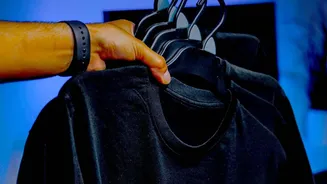
trend is taking hold. High-profile companies, including OpenAI and Anthropic, are now reportedly advising their employees to avoid wearing company-branded clothing or displaying logos in public. Anthropic has significantly restricted branded merchandise for its staff, while OpenAI has specifically instructed employees not to wear items featuring its logo outside the office. This marks a significant cultural pivot, turning the once-coveted company logo from a symbol of pride into a potential liability.
Safety, Spies, and Public Scrutiny
The primary driver behind this move toward discretion is employee safety. As AI becomes more powerful and controversial, public sentiment has become increasingly polarized. This has led to a rise in hostility, including protests outside AI offices and, in extreme cases, physical threats against executives. OpenAI CEO Sam Altman's home has been targeted, and Anthropic has faced security breaches. In this climate, an employee wearing a company logo can become an unwilling target for harassment or aggression. Beyond physical threats, there is also the persistent issue of corporate and state-sponsored espionage. Security briefings at OpenAI warn employees that they may be approached by spies offering friendship, money, or even romance to obtain confidential information about the company's next breakthrough. Strangers have reportedly approached employees in public spaces like cafes and parks, attempting to steer conversations toward their sensitive work.
The End of Casual Conversations
Even when the motives aren't sinister, the constant attention can be draining. Employees at major AI labs report being inundated with unwanted approaches from people seeking inside information, pitching business ideas, or simply wanting to debate the future of humanity. The father of one Anthropic employee noted that his son and his colleagues actively avoid discussing work in social settings to maintain their privacy and personal relationships. This environment makes it difficult for employees to distinguish between genuine curiosity and a calculated attempt to gain access. The advice to hide company affiliation is therefore not just about avoiding danger, but also about reclaiming a semblance of private life in a world intensely focused on their work.
A New Chapter for Big Tech
This shift away from visible branding reflects a broader maturation, and perhaps a loss of innocence, for the AI industry. While established tech giants like Google and Apple still embrace a culture where swag builds community and signals prestige, the firms at the vanguard of AI are adopting a more defensive posture. The level of concern is underscored by the significant investments in security; Anthropic, for instance, disclosed spending $2.7 million on personal security services for its CEO, Dario Amodei. The directive for employees to blend in is a telling sign of the times. It suggests that the AI industry is acutely aware of its contentious position in society—celebrated by some for its potential, and feared by others for its disruptive power. This new, low profile approach signals a more cautious and guarded phase for a technology poised to change the world.