







The Wisdom in Yesterday’s Rice
Across India, from the fields of Odisha to the kitchens of Tamil Nadu, families have long practised the art of fermenting leftover cooked rice in water. Known by various names—Pakhala, Pazhaya Soru Kanji, Poita Bhat—this is not just a way to prevent food
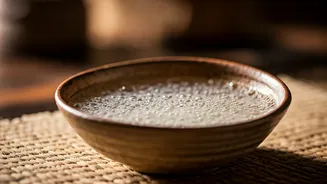
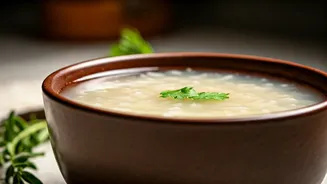
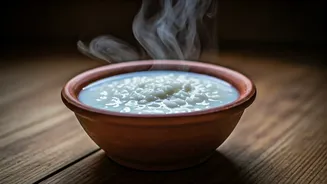
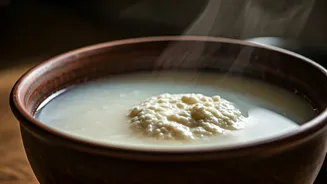
waste. It is a culinary tradition steeped in wisdom, creating a nutrient-dense, probiotic-rich beverage that has sustained generations. The process is simple: leftover cooked rice is soaked in water (often in an earthen pot) and left to ferment overnight or for a day. This magical transformation turns a simple meal into a gut-friendly elixir, especially cherished as a cooling summer drink that replenishes energy and aids digestion.
How Fermentation Powers Your Gut
The secret behind fermented rice water’s benefits lies in the natural fermentation process. When rice and water are left to sit, beneficial microbes present in the environment begin to break down the carbohydrates. This creates lactic acid bacteria, the same family of good bacteria found in yoghurt and other probiotic foods. These probiotics are essential for a healthy gut microbiome, the community of trillions of bacteria living in your digestive tract. A balanced microbiome is linked to improved digestion, a stronger immune system, and even better mental health. The fermentation also pre-digests the rice, making its nutrients, like B vitamins and essential minerals, more bioavailable and easier for your body to absorb.
More Than Just Probiotics
While the probiotic content gets most of the attention, fermented rice water is a holistic health drink. It acts as a natural coolant, making it perfect for India’s hot climate by helping to prevent heat stroke and dehydration. The liquid, often called ‘torani’ or ‘kanji,’ is rich in electrolytes that replenish what is lost through sweat. Furthermore, the resistant starch formed during the cooling and fermentation process acts as a prebiotic. Prebiotics are food for your good gut bacteria, helping them thrive and multiply. So, not only are you introducing beneficial microbes, but you are also feeding the ones already there, creating a robust internal ecosystem.
Making Your Own at Home
Preparing this traditional drink is surprisingly easy. You don’t need any special starter cultures or fancy equipment. Here’s a basic method to get you started: 1. **Start with cooked rice:** Use about one cup of leftover, cooled, preferably hand-pounded or unpolished, rice. 2. **Soak it:** Place the rice in a clean clay or glass pot. Avoid metal containers, as they can interfere with fermentation. Add about two to three cups of clean, filtered water. 3. **Cover and wait:** Cover the pot with a breathable cloth or a loose lid and leave it in a warm corner of your kitchen for 8 to 12 hours, or overnight. The fermentation time will depend on the ambient temperature—it will be faster in warmer weather. 4. **Enjoy:** The next morning, the water will be slightly cloudy and have a tangy aroma. You can drink the water (the kanji) as is, or lightly mash the rice into the liquid. It's traditionally seasoned with salt, green chillies, raw onions, or a dash of lime juice for flavour.
A Few Things to Keep in Mind
If you are new to fermented foods, start with a small amount to allow your digestive system to adjust. Always use clean utensils and pots to ensure that only beneficial bacteria proliferate. Trust your senses: the fermented rice water should have a pleasant, slightly sour smell. If it smells foul or shows signs of mould, discard it and start over. While this is a time-tested tradition, its effects can vary from person to person. Listen to your body. This drink is a simple, affordable, and sustainable way to incorporate the benefits of fermented foods into your diet, connecting you to a powerful piece of Indian culinary heritage.