




The Scale of Festive Waste
The paradox of modern India is stark: while millions face hunger, tonnes of food are discarded. According to the UN's Food Waste Index Report, Indian households waste an estimated 78.2 million tonnes of food annually. This equates to roughly 55 kg per
person each year. Festivals, with their elaborate feasts and cultural emphasis on hospitality, often amplify this issue. Social gatherings like weddings and festivals can be major sources of waste, with some estimates suggesting that nearly 20% of food served at such events is thrown away. The desire to be a generous host can lead to over-preparation, turning a symbol of prosperity into a source of significant waste.
Plan Before You Purchase
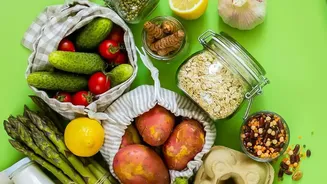
The first and most effective place to save is in the planning stage. Before heading to the market, take a moment to strategize. Create a detailed menu for the festive days and make a realistic estimate of your guest count. It's easy to overestimate how much people will eat, especially when multiple dishes are on offer. Create a shopping list based on your menu and, most importantly, stick to it. Check your pantry and refrigerator first to avoid buying duplicates. This simple habit not only prevents over-purchasing but also helps manage your budget during an expensive time of year.
Mindful Cooking and Serving
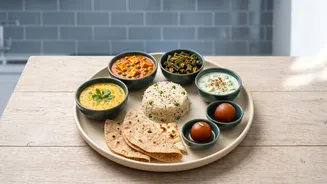
In the kitchen, mindfulness can drastically cut down on waste. Instead of cooking every dish in massive quantities, consider preparing staples in batches. For instance, you can make a base gravy that can be adapted for different preparations. When it comes to serving, psychology plays a big role. Use smaller serving platters and bowls on the main table; they can always be refilled from the kitchen. This prevents large quantities of food from sitting out for too long. Encourage guests to serve themselves. This allows them to control their own portion sizes, making them less likely to leave food on their plates. Simply making people aware can lead to more conscious consumption.
Reimagine Your Leftovers
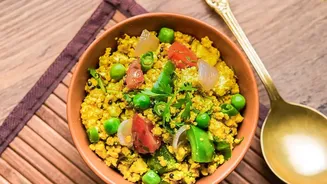
Leftovers are not a sign of failure but an opportunity for creativity. Indian cuisine is exceptionally versatile when it comes to repurposing meals. Leftover rice, for example, is a blank canvas. It can be transformed into fried rice, lemon rice, tamarind rice, or even crispy cutlets and pakoras. A dal from the previous night can be used to knead soft and nutritious dough for parathas or rotis. Cooked vegetables can be blended into a soup, stuffed into a wrap, or mixed with rice for a quick masala pulao. The key is proper storage. Keep leftovers in airtight containers and refrigerate them promptly to maintain freshness and safety.
Share the Abundance Wisely
The spirit of festive giving can extend to surplus food. If you have untouched, safely stored food that you know you won't consume, consider donating it. Numerous NGOs and food banks operate across Indian cities to collect and distribute surplus food to those in need. The Food Safety and Standards Authority of India (FSSAI) runs the 'Save Food, Share Food' initiative, which connects donors with a network of distribution agencies. Even sharing with your community staff or neighbours is a wonderful way to ensure that the food lovingly prepared brings joy to others instead of ending up in a landfill.