




A Crisis Etched in Stone and Soil
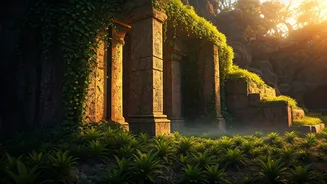
The threat is no longer abstract. According to UNESCO, climate change is now a primary danger to many World Heritage sites. In Southeast Asia, iconic stone temples like Angkor face damage from extreme heat and rainfall. In Scotland, coastal erosion is washing
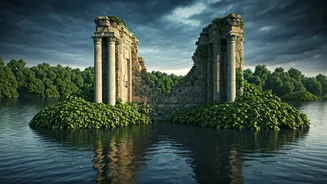
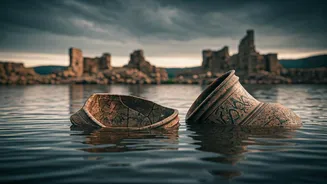
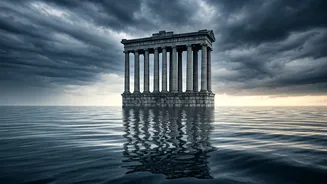
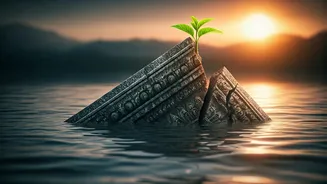
away prehistoric settlements overnight. Rising sea levels threaten to engulf coastal heritage from the islands of Rapa Nui (Easter Island) to the historic port city of Cartagena, Colombia. Further north, melting permafrost in the Arctic is destabilising the ground beneath over 180,000 archaeological sites, exposing delicate organic materials to rapid decay. This physical destruction is an accelerating loss of our collective memory, with one in six cultural heritage sites now directly threatened by climate-related impacts. The damage is not just to buildings, but to the very fabric of our shared past.
Losing More Than Just Relics
When a site is damaged, we lose more than stone structures or ancient artefacts. We lose the stories that give them meaning. These places are cornerstones of cultural identity, sources of community cohesion, and reservoirs of traditional knowledge. A study recently revealed that a staggering 80% of UNESCO cultural sites are already burdened by climate stress, threatening the materials they are made from and, by extension, the histories they tell. The loss of this tangible connection to the past can weaken a community's ability to navigate the future. Preserving heritage is not about clinging to a static past; it is about maintaining access to the lessons, inspiration, and sense of belonging that these sites provide for future generations. Ignoring this dimension of the climate crisis is to ignore a fundamental part of what makes us human.
What is Climate-Smart Storytelling?
This is where our narrative must evolve. Climate-smart storytelling moves beyond a simple recitation of historical facts. It's an approach that integrates the reality of climate change into the way we interpret and present heritage sites. It means transforming a tour guide’s script from a static history lesson into a dynamic conversation about resilience. Instead of just noting what a building was used for, we can discuss how its original builders adapted to their environment. This approach looks at how ancient communities handled floods, droughts, or changing sea levels—knowledge that is incredibly relevant today. It also involves being honest about the current threats. By explaining how rising humidity is damaging ancient art or how coastal erosion threatens a fort, visitors become aware and engaged, transforming them from passive tourists into active stakeholders in preservation efforts.
From Theory to Practice
This isn't just a theoretical concept; it's already happening. Archaeology itself is providing a blueprint for resilience. For example, studying the portable building techniques of communities on India's Majuli island, who have adapted to river floods for centuries, offers modern lessons. In Australia, Indigenous ranger groups are using traditional fire management strategies to reduce the risk of catastrophic wildfires. Organisations are now actively working to integrate this ethos. The International Council on Monuments and Sites (ICOMOS) and UNESCO are leading efforts to make heritage a part of climate solutions, not just a victim of them. This involves embedding traditional and local knowledge into climate strategies and using storytelling to translate complex climate data into relatable human narratives, fostering a sense of collective responsibility.