

Grains Are Strictly Off-Limits
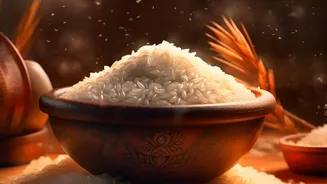
The most fundamental rule of a traditional Janmashtami fast is to completely avoid grains (anaaj). This includes staples like rice, wheat, and oats. Therefore, everyday foods such as roti, bread, pasta, and most rice dishes are not consumed. The spiritual
reasoning behind this is that grains are believed to be heavy and can slow down digestion, making it harder to maintain a state of spiritual focus and lightness. Some scriptures also associate grains with negative energies on auspicious fasting days.
No Pulses or Lentils
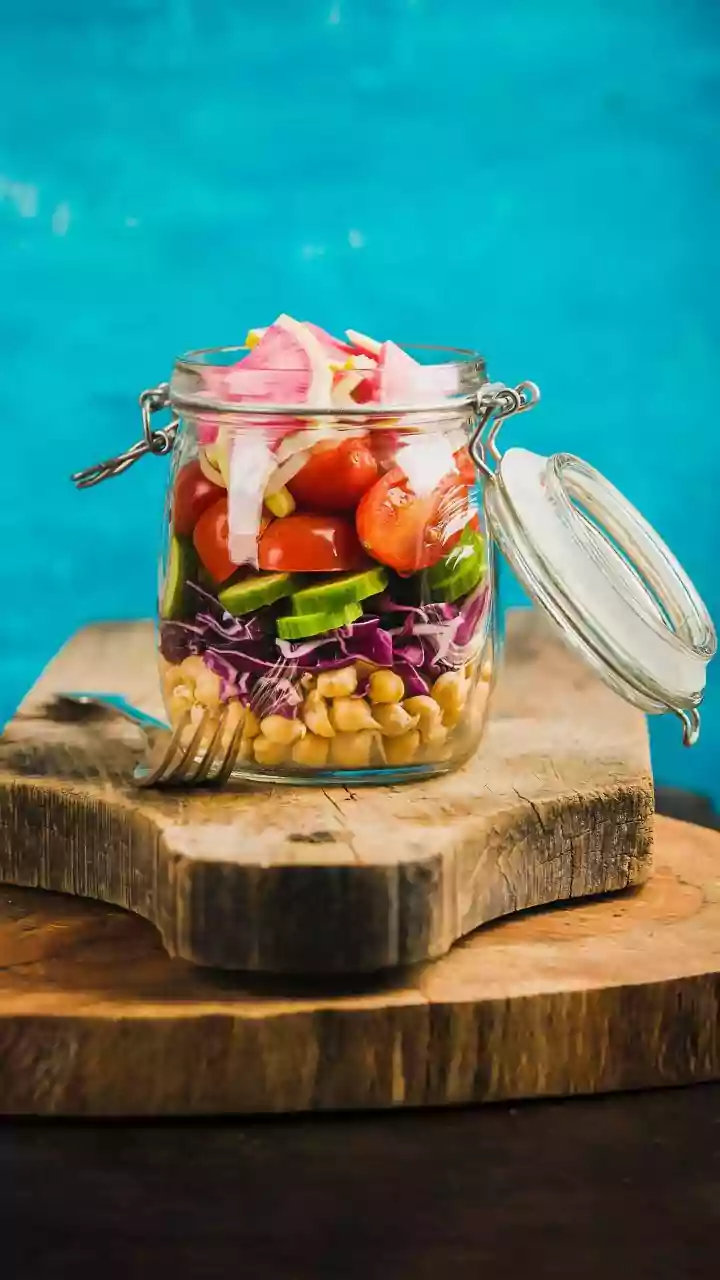
Alongside grains, all types of pulses and lentils are also avoided. This means no dal, chickpeas, beans, or peas. The restriction covers all legumes, which are a common source of protein in the Indian diet. Similar to grains, they are considered difficult to digest and not conducive to the sattvic (pure) nature of the fasting diet. The goal is to consume foods that keep the body and mind calm and pure.
Certain Vegetables and Spices to Avoid
The list of restricted foods extends to certain vegetables. Onion and garlic are strictly forbidden as they are considered tamasic, meaning they are believed to induce restlessness or dullness. Other vegetables like brinjal, radish, and bottle gourd are also avoided in some traditions. When it comes to seasoning, regular table salt is replaced with sendha namak, or rock salt, which is considered a purer, unprocessed form of salt suitable for fasts. Spices like asafoetida (hing) and sometimes turmeric are also excluded from vrat recipes.
What You Can Eat: Vrat-Friendly Flours and Starches
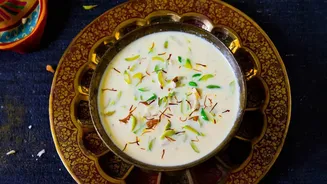
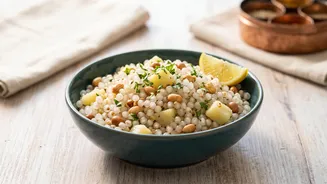
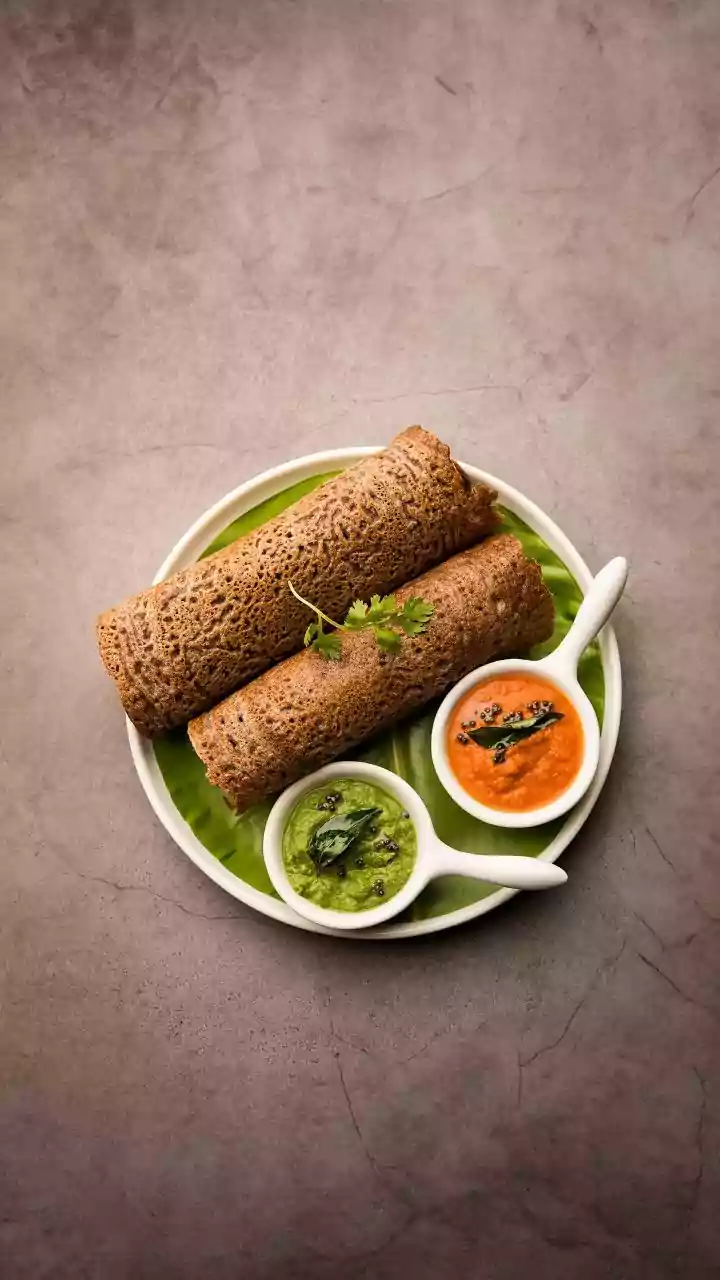
So, what can you use instead of wheat and rice? There is a special category of 'vrat-friendly' flours. These include Kuttu ka atta (buckwheat flour), Singhare ka atta (water chestnut flour), and Rajgira ka atta (amaranth flour). These pseudo-grains can be used to make puris, rotis, and cheelas. Another popular fasting staple is Sabudana (tapioca pearls), used to prepare khichdi, kheer, and vadas. Samak rice, or barnyard millet, is often used as a rice substitute.
Embrace Fruits, Dairy, and Nuts
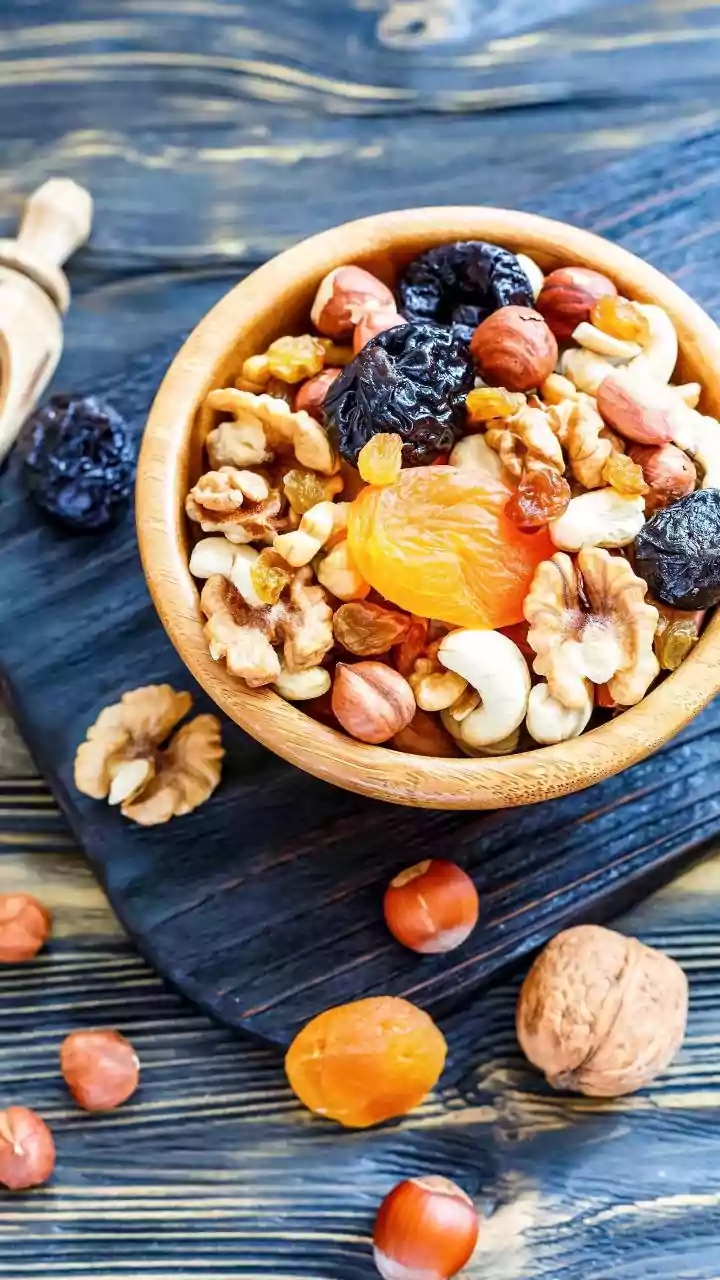
The foundation of a Janmashtami fast meal is often built on fruits, dairy products, and nuts. All seasonal fruits like apples, bananas, and pomegranates are permitted. Dairy products such as milk, curd, paneer, and buttermilk are widely consumed and form the base for many dishes. Nuts and dry fruits like almonds, walnuts, and makhana (fox nuts) provide energy and can be eaten roasted or added to dishes. These foods are considered sattvic and provide necessary nourishment to sustain the fast.
Building a Balanced Vrat Meal
While many vrat-friendly foods are available, it's easy to fall into the trap of eating too many deep-fried items like kuttu puris or sabudana vadas. This can leave you feeling heavy and lethargic, defeating the purpose of the fast. For a more balanced approach, try to include a mix of food groups. A typical satisfying meal could consist of samak rice pulao, a potato curry made with sendha namak, a side of fresh curd, and a handful of roasted makhana. This combination provides carbohydrates, protein, and essential nutrients to keep you energised through the day.