






Beyond Flags and Footprints
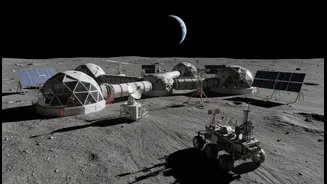
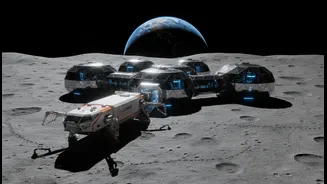
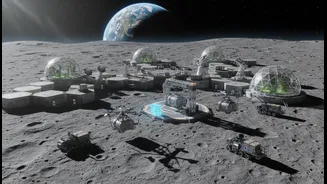
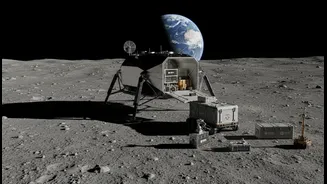
For the first time since the Apollo era, humanity is planning a long-term stay on another celestial body. NASA's Artemis program aims to establish a sustained human presence on the Moon, starting with a base camp at the lunar south pole. This isn't a short
visit; the goal is to create an outpost for long-duration science and exploration, potentially lasting weeks or months at a time. The ambition is to transform the Moon into a hub for scientific research and a stepping stone for future missions to Mars. But to live and work on the Moon, you need supplies—a lot of them. This fundamental need is the engine driving a new commercial space race.
A Constant Thirst for Science
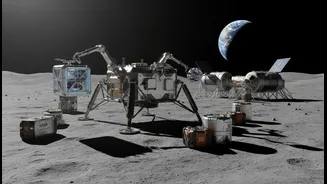
A permanent base is hungry for science. Astronauts and robotic explorers will need a steady stream of instruments to study the lunar environment. Plans include deploying seismometers to understand the Moon's interior, drills to prospect for water ice, and spectrometers to analyze the lunar soil. NASA also needs to understand the hazards, from abrasive moon dust to radiation, requiring monitors and survey equipment to be delivered and set up. Unlike the one-and-done Apollo missions, a moon base requires replacement parts, new experiments, and technology demonstrations, creating a continuous demand for cargo delivery. This isn't just about initial setup; it's about sustained scientific operations over many years.
Enter the Commercial Haulers: CLPS
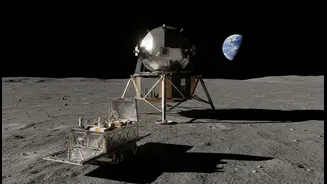
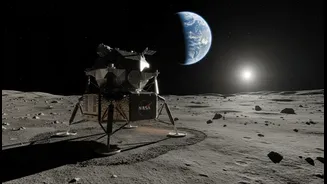
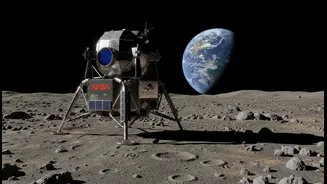
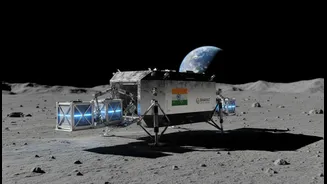
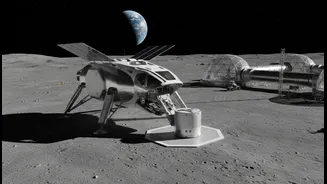
Instead of building and operating its own fleet of delivery trucks, NASA has opted for a savvier approach: hiring commercial couriers. The Commercial Lunar Payload Services (CLPS) initiative is NASA's way of buying delivery services from a growing list of private American companies. Through CLPS, companies like Intuitive Machines, Astrobotic, and Firefly Aerospace bid on contracts to transport NASA's scientific payloads to the lunar surface. This model is designed to be rapid, affordable, and frequent, fostering a competitive market. NASA becomes one of many potential customers, allowing these companies to also sell space on their landers to other clients, further building the business case for lunar logistics.
From One-Offs to a Lunar Supply Chain
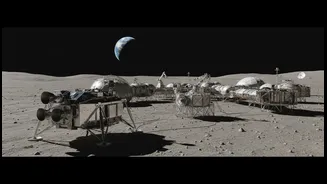
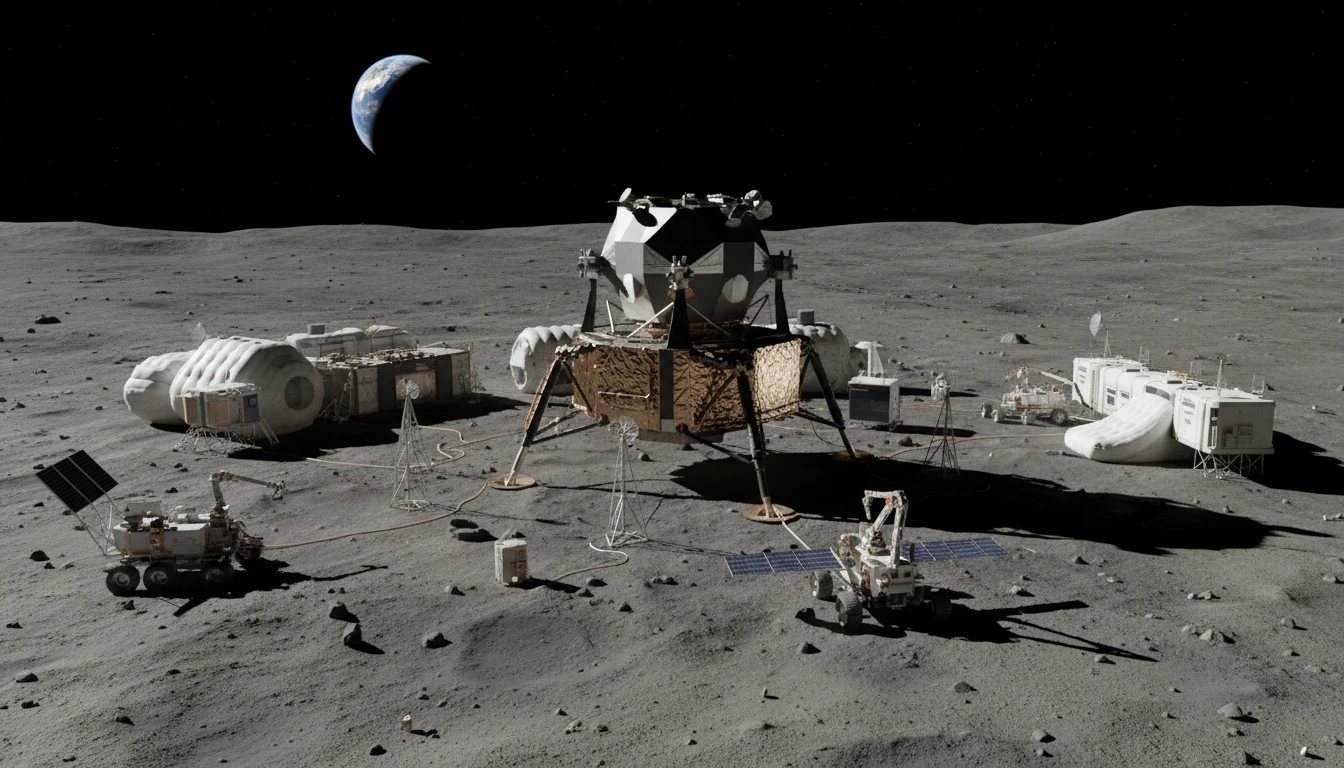
The phrase "daily issue" in the headline points to the ultimate goal: routine, predictable logistics. A functioning base requires a supply chain. Early CLPS missions are testing the capabilities of different landers, but the vision extends far beyond these initial flights. As the base grows, so will the complexity of the deliveries. Phase one of the base construction alone, running through 2029, involves dozens of launches and landings. The next phase, CLPS 2.0, anticipates even larger landers carrying heavier cargo on a near-monthly basis to build out habitats, power systems, and other infrastructure. This increased cadence is what transforms spectacular individual missions into the regular work of an interplanetary supply chain.
An Economy Built on Moon Dust
While NASA is currently the anchor tenant, the long-term vision is a self-sustaining lunar economy. The infrastructure and transportation network built to serve NASA's scientific needs could one day support other ventures. These could include private research, resource extraction (like mining for water ice), and even tourism. The lunar payload delivery market, valued at over a billion dollars in 2025, is projected to grow substantially, reaching over $7 billion by 2034. The companies proving their reliability through CLPS contracts today are positioning themselves to be the shipping giants of this future cislunar economy, where launches to the Moon become as routine as cargo flights on Earth.