








A Season of Sharp Contrasts
The 2026 Southwest Monsoon began with a significant deficit in June, but the story is not one of simple failure. As July progresses, a pattern of extreme contrasts has emerged. While overall rainfall for the month is forecast to be slightly below normal,
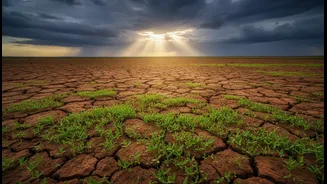
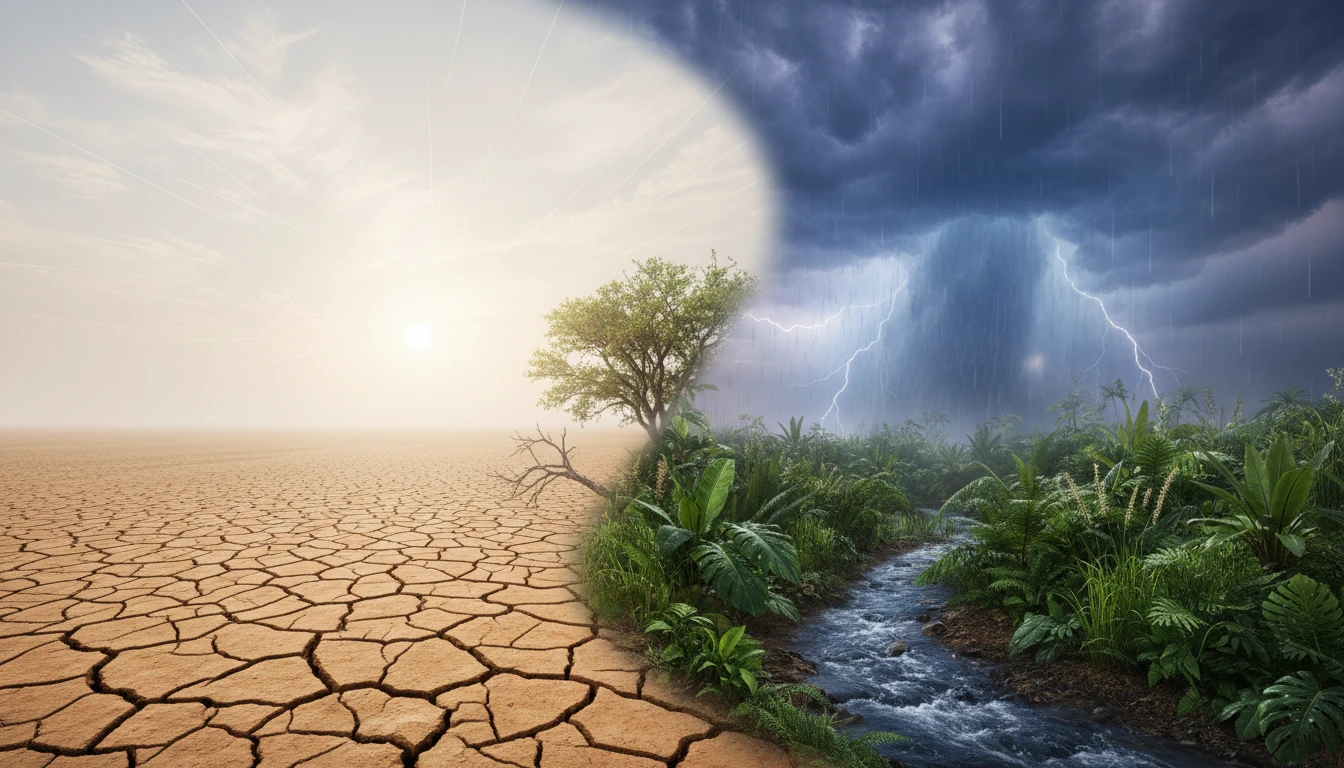
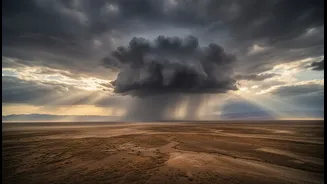
the distribution is highly uneven. For instance, intense rainfall has battered Mumbai and India's west coast, while parts of North, West, and Central India face shortfalls. This 'Jekyll and Hyde' personality—long dry spells broken by sudden, intense downpours—has become a worrying feature. This leads to simultaneous crises of floods in one area and drought-like conditions in another.
The El Niño Effect
One of the primary global drivers influencing India's monsoon is the El Niño-Southern Oscillation (ENSO). Currently, weak El Niño conditions are present in the Pacific Ocean and are expected to strengthen. El Niño involves the abnormal warming of the central and eastern Pacific, which disrupts global weather patterns. For India, it typically weakens the trade winds that push moisture-laden clouds from the ocean to the subcontinent, often resulting in suppressed monsoon rainfall and fewer rainy days. Experts note that this El Niño contributed to the delayed monsoon onset and subdued rains in June.
The Indian Ocean's Role
While El Niño in the Pacific gets much attention, the Indian Ocean has its own climate system: the Indian Ocean Dipole (IOD). The IOD is defined by the temperature difference between the western and eastern parts of the Indian Ocean. A positive IOD, with a warmer western Indian Ocean, generally boosts the monsoon. A negative IOD does the opposite. Currently, the IOD is in a neutral phase, meaning it is not providing a strong push in either direction to counteract El Niño's suppressive effects. While some models suggest a positive IOD could develop later in the season, offering a potential late boost, its current neutrality adds to the monsoon's uncertainty.
Warmer Seas, Fiercer Rains
A major factor contributing to the monsoon's volatile behaviour is the record warming of the seas surrounding India, particularly the Arabian Sea. The Indian Ocean is warming faster than any other tropical ocean. While this might sound like it would create more rain, the effect is more complicated. Warmer seas hold more moisture, which can supercharge weather systems when they do form. This leads to a dangerous pattern: instead of steady, gentle rains, the monsoon delivers its moisture in short, extremely intense bursts. This explains why places like Mumbai can receive a huge percentage of their monthly rainfall in just a few days, leading to devastating floods.
The Climate Change Fingerprint
Scientists increasingly argue that El Niño and climate change can no longer be seen as separate issues. Climate change is fundamentally altering the monsoon's character. The long-term warming trend exacerbates the effects of natural cycles. The new reality appears to be a monsoon that is less reliable and more extreme. It's a combination of El Niño delaying the rains and climate change intensifying them when they finally arrive. This shift from consistent seasonal rains to erratic, powerful downpours poses significant challenges for agriculture, water management, and urban infrastructure across the country.