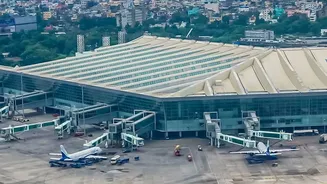


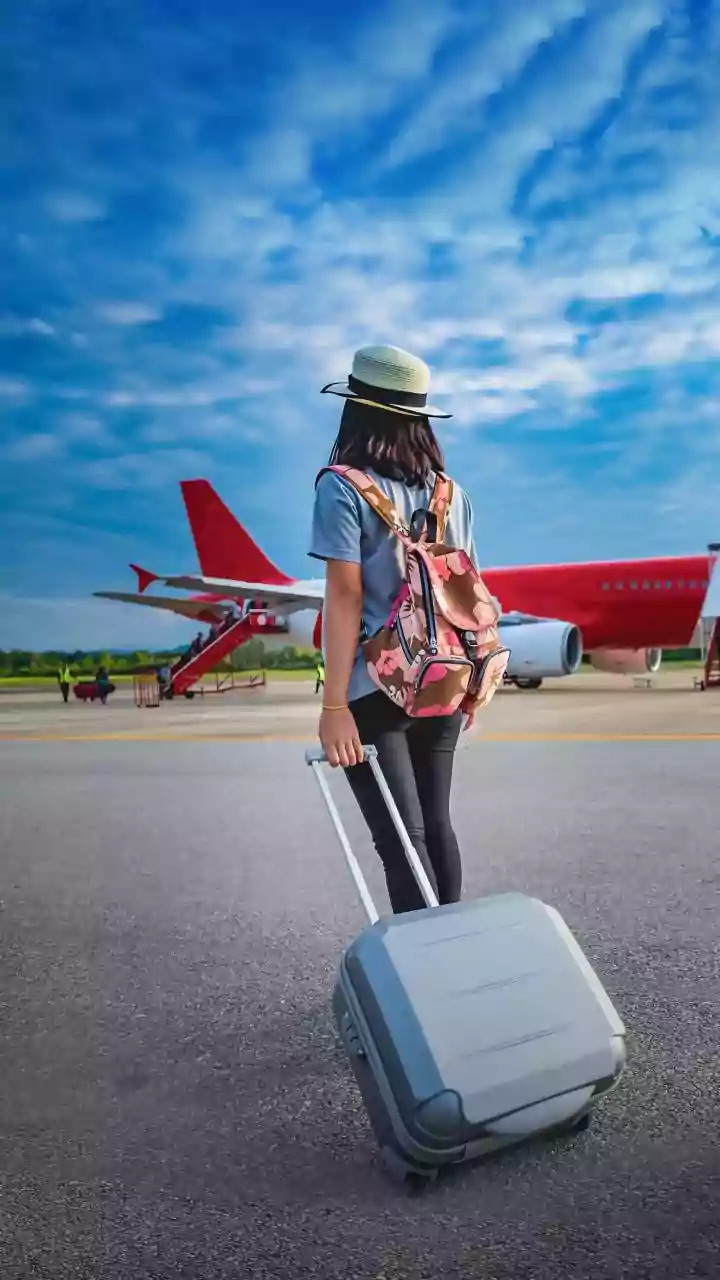



A paradox is unfolding across India’s metros this festive season. Ticket prices for flights and trains are soaring, and hotel rates are climbing, yet travel bookings are surging. What is driving this relentless appetite for a getaway?
The 'Revenge Travel' Phenomenon
The most significant
factor is a psychological one, often dubbed 'revenge travel'. After years of pandemic-related restrictions and uncertainties, there is a powerful pent-up demand for experiences. For many urban professionals and families, travel is no longer viewed as a discretionary luxury but as an essential activity for mental well-being and making up for lost time. This sentiment is so strong that it overrides traditional price sensitivity. The desire to reconnect with family, explore new places, and break the monotony has been recategorized as a need, not a want. This emotional drive provides a strong tailwind for the travel industry, as consumers are willing to absorb higher costs to reclaim their freedom to explore.
A Fundamental Shift in Spending Priorities
This trend isn't just about emotion; it’s also rooted in a significant economic shift. A growing segment of the metropolitan Indian population is prioritising spending on experiences over physical goods. Reports indicate that by 2030, spending on travel, hospitality, and leisure is expected to outpace spending on merchandise. Many dual-income households in cities, armed with more disposable income and post-pandemic savings, are consciously reallocating their budgets. While they may be concerned about inflation in general, a substantial portion of consumers feel optimistic about their financial future and are ready to spend on leisure travel now. This shift means that a festive holiday is now a key line item in the annual budget, planned for and protected from cuts.
The Spontaneity of Shorter, More Frequent Trips
The nature of festive travel itself is changing. Instead of one long annual holiday, many are opting for multiple shorter getaways. Data shows a rise in two-night trips and last-minute bookings, with many travellers finalising plans within a week or even on the day of departure. This pattern suggests that travel is becoming a more spontaneous, regular part of life rather than a meticulously planned, once-a-year event. For the 2026 festive season, bookings are already reported to be running 50% ahead of the previous year, underscoring this intensified demand. This 'season of trips' approach makes individual high-cost journeys feel more manageable and justifiable.
The Supply-Side Squeeze
While demand is booming, the supply side is also contributing to the high prices. Airlines are grappling with elevated Aviation Turbine Fuel (ATF) costs, which make up a massive portion of their operational expenses. Furthermore, some major carriers have reportedly reduced capacity on certain routes compared to last year, creating fewer available seats just as demand peaks. This mismatch between soaring demand and constrained supply naturally pushes prices up. Airlines use dynamic pricing models, meaning fares rise automatically as seats fill up. For this festive season, travellers who booked early likely secured much lower fares than those booking now, who face the full force of last-minute premium pricing.
New Destinations and Evolving Tastes
The modern traveller is also more adventurous. While classic destinations like Goa, Udaipur, and Rishikesh remain popular, there is a surge of interest in new and offbeat locations. Younger travellers, including Gen Z, are exploring spiritual centres like Varanasi, while others are flocking to Himalayan destinations like Sangla and Kalpa, which have seen booking numbers triple. Internationally, destinations in Asia like Thailand, Vietnam, and Japan are seeing significant search growth, while Sri Lanka has recorded a massive 262% year-on-year increase in interest from Indian travellers. This diversification of destinations shows a sophisticated traveller base looking for unique experiences, from cultural immersion and spiritual journeys to beach holidays and city breaks.