







The Hidden Costs of Overseas Spending
When you use your regular Indian debit or credit card abroad, you often pay more than you think. Banks and card issuers typically add a foreign transaction fee, which is a percentage of your purchase, usually ranging from 1% to 3.5%. [7, 8, 9] On top
of that, there's a currency conversion markup applied by the payment network (like Visa or Mastercard) and your bank. [8, 12] Then there's the notorious Dynamic Currency Conversion (DCC). This happens when a foreign merchant or ATM offers to charge you in Indian Rupees instead of the local currency. [24] While it seems convenient to see the cost in a familiar currency, the exchange rate used is often highly unfavourable, leading to you paying significantly more. [22, 26] These small percentages and fees can quickly accumulate, taking a substantial bite out of your travel budget.
What is a Multi-Currency Forex Card?
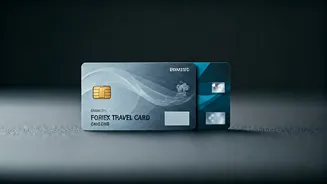
A multi-currency forex card is a prepaid travel card that you can load with multiple foreign currencies before you travel. [4] For instance, if you're planning a trip to the USA and then the UK, you can load both US Dollars and British Pounds onto a single card. [4, 6] This is different from a single-currency card, which is locked to one currency. [3] The key advantage is that you lock in the exchange rate at the time you load the card, protecting you from unfavourable currency fluctuations during your trip. [2, 11] These cards are widely accepted at shops, restaurants, and ATMs that support major networks like Visa or Mastercard. [6]
How These Cards Help You Save
Multi-currency cards are designed to be more cost-effective than your domestic bank cards for several reasons. Primarily, they help you avoid the high foreign transaction fees that most credit and debit cards charge. [2, 19] By loading currency in advance at a fixed rate, you're shielded from volatile market changes. [5] This also provides better budget control, as you can only spend what you've preloaded. [2] Furthermore, by paying in the local currency from your card's corresponding currency wallet, you sidestep the poor exchange rates associated with Dynamic Currency Conversion. [23] Many providers also offer lower fees for ATM withdrawals compared to the steep cash advance fees charged by credit cards. [2, 9]
Choosing the Right Card for Your Trip
With many options available from banks and fintech companies, it's important to compare features. Look for cards that support the currencies of the countries you plan to visit; some support over 14 currencies. [3, 11] Check the fee structure carefully, including issuance fees, reloading fees, inactivity fees, and ATM withdrawal charges. [15] Some modern providers offer cards with zero forex markup, meaning they use the interbank exchange rate, which is the most favourable. [4, 10] Also, consider the user experience—a good mobile app that allows you to easily load funds, track your spending in real-time, and block the card if it's lost is essential for managing your money on the go. [11] Providers in India include services like Wise, Niyo, BookMyForex, and cards from major banks like HDFC and Axis Bank. [10, 13]
Getting Started: A Simple Guide
Using a multi-currency card is straightforward. The first step is to apply for one, which can usually be done online through the provider's website or app. You'll need to complete a KYC (Know Your Customer) process, similar to opening a bank account. Once approved, you can load the card with your desired foreign currencies using your Indian bank account via net banking. [4] When you're abroad, you simply use the card like any other debit card for payments or ATM withdrawals. [6] The card system automatically detects the local currency and deducts the amount from the correct currency wallet on your card. [4] If you don't have the local currency loaded, some cards will convert it from another currency balance, which may incur a cross-currency fee. [4, 13]