





Why Humidity Wreaks Havoc on Your Gut
High humidity, a hallmark of the Indian monsoon, does more than just make the air feel heavy. It can significantly impact your digestive system. When the air is saturated with moisture, your body's ability to regulate its internal temperature is challenged.
This can lead to a slower metabolism as your body diverts energy to cooling itself down, often through sweating. This process draws blood flow away from your digestive organs, which can result in sluggish digestion, bloating, gas, and acidity. Moreover, the warm, damp conditions are a breeding ground for bacteria, increasing the risk of stomach infections and food poisoning. Studies have shown that high-humidity environments can disrupt the delicate balance of your gut microbiota—the trillions of microorganisms living in your digestive tract—and may even trigger an inflammatory response in the intestines. This makes your gut more vulnerable to issues, especially during seasons with high humidity.
Fermentation to the Rescue
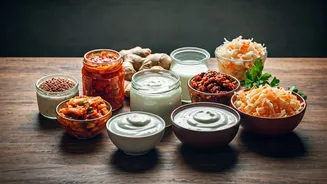
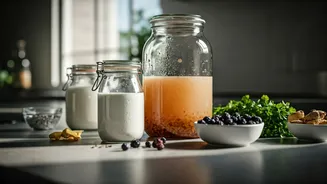
Fermented foods are a powerful, natural solution to combat these seasonal digestive woes. Fermentation is a process where microorganisms like bacteria and yeast break down sugars in food. This process creates probiotics, which are beneficial live bacteria that are crucial for a healthy gut. These good bacteria help restore the natural balance of your gut microbiome, which is essential for efficient digestion, nutrient absorption, and a strong immune system. Consuming probiotic-rich foods like homemade dahi (curd), buttermilk (chaas), and pickles can replenish the good bacteria in your gut, helping to alleviate common monsoon-related issues like bloating and irregular bowel movements. The fermentation process also breaks down complex compounds in food, making them easier to digest and increasing the bioavailability of nutrients like iron, zinc, and B vitamins.
The Magic of Making It at Home
While many fermented products are available commercially, there's a unique advantage to making them at home. Home fermentation gives you complete control over the ingredients, ensuring there are no unwanted preservatives, excess salt, or sugars. It also guarantees the presence of live cultures. Many store-bought fermented products are pasteurised, a process that kills off the beneficial probiotics. When you ferment at home, you are cultivating a live food, teeming with the very organisms that support your digestive health. Furthermore, it's a cost-effective and rewarding way to connect with your food. Traditional Indian cuisine is rich with fermented staples, making it an accessible practice for anyone to adopt. From the simple act of setting curd to making a tangy kanji, these are skills that have been passed down through generations for good reason.
Easy Ferments to Start with
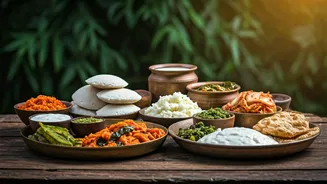
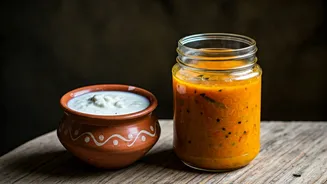
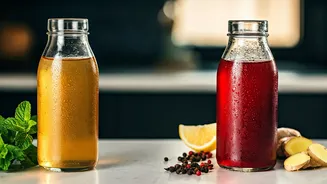
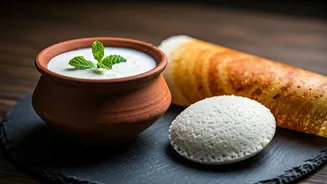
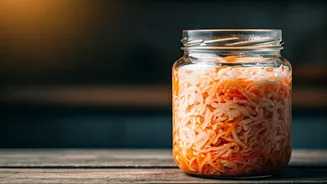
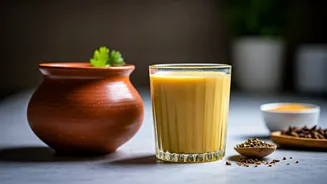
Getting started with home fermentation doesn't have to be intimidating. Many traditional Indian ferments are perfect for beginners. Dahi (Curd): Perhaps the most common ferment in Indian households, homemade dahi is an excellent source of probiotics. Simply adding a spoonful of starter culture to warm milk and letting it set for a few hours is all it takes. Chaas (Buttermilk): This cooling and refreshing drink is made by diluting dahi and adding spices. It's gentle on the stomach and aids digestion, making it perfect for humid weather. Kanji: A tangy, probiotic-rich drink traditionally made from black carrots or beetroot, fermented with mustard seeds and salt. It is known to aid digestion and is a North Indian specialty. Homemade Pickles (Achaar): Traditionally made pickles that are fermented in salt and sunlight (not vinegar) are a great source of probiotics. A small serving with your meal can significantly boost your gut health. Idli/Dosa Batter: The overnight fermentation of rice and lentil batter not only makes these South Indian staples light and fluffy but also incredibly rich in gut-friendly bacteria.